




.webp)



Why Construction Companies Fail in Pakistan
Read more


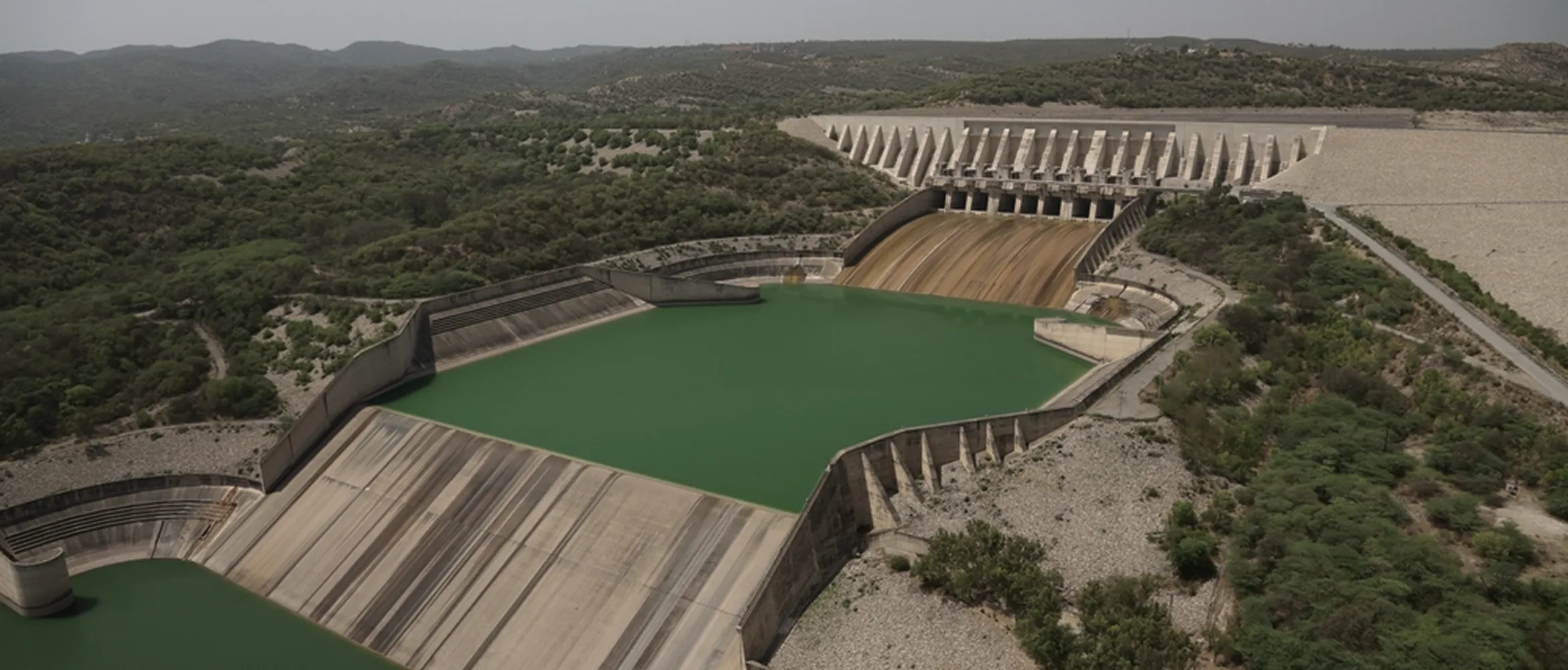
Building a large dam is one of the most complex and expensive projects any organization can undertake. In Pakistan, where water storage and hydropower are critical, the stakes are even higher. A poorly built dam can lead to catastrophic failure, cost overruns that stretch into billions of rupees, and years of delays. Yet many project owners struggle to separate qualified contractors from those who simply talk a good game.
The challenge is especially real in Punjab, where several major dam projects are either planned or underway. Choosing the right civil engineering contractor Pakistan requires more than a low bid. You need a firm with proven heavy civil experience, a valid PEC license, strong financial backing, and a deep understanding of local geology and hydrology.
This blog walks you through a practical, step-by-step framework to evaluate contractors for large dam projects. You will learn exactly what documents to ask for, which questions to ask, and how to spot warning signs before you sign a contract. For a broader look at what makes a contractor truly capable, visit AMCORP's homepage.
When you evaluate a civil engineering contractor Pakistan for large dam work, do not get distracted by flashy presentations. Focus on these four hard requirements.
1. PEC certification with the right category. The Pakistan Engineering Council (PEC) licenses contractors by category and grade. For large dams, you need a contractor with at least Category C or higher in the "Heavy Civil" or "Hydropower" classification. Ask to see their valid PEC certificate and verify it online. Contractors without the correct category cannot legally bid on major government dams, and you should not hire them for private projects either.
2. Proven experience on similar-scale projects. A contractor that has built housing schemes cannot simply jump to a 50-meter-high concrete dam. Ask for a list of completed heavy civil projects from the last ten years. Look specifically for earthfill or concrete dams, large canals, barrages, or hydropower plants. Request client contact details and follow up. The International Commission on Large Dams (ICOLD) publishes global standards for dam construction; contractors familiar with these standards are a safer bet.
3. Financial stability and bonding capacity. Large dam projects often run for five to ten years. A contractor that runs out of money halfway through will leave you with a half-built structure and legal headaches. Request audited financial statements for the last three years. Check their working capital ratio. Also, ask about their bank credit lines and surety bonding capacity. In Pakistan, the Water and Power Development Authority (WAPDA) requires contractors to post significant performance bonds. A contractor that cannot secure such bonds is not qualified.
4. Specialized heavy equipment and technical staff. Dams require large earthmoving machines, concrete batching plants, drilling rigs, and grouting equipment. Ask for an equipment inventory. Do they own the critical machinery, or will they rent it? Renting is not automatically bad, but ownership shows long-term commitment. Also, ask for the resumes of their senior engineers. You want at least one geotechnical engineer and one hydrologist on your team. Our EPC projects portfolio demonstrates the kind of heavy civil capability you should look for.
These four filters will eliminate most unqualified bidders quickly. Do not skip any of them.
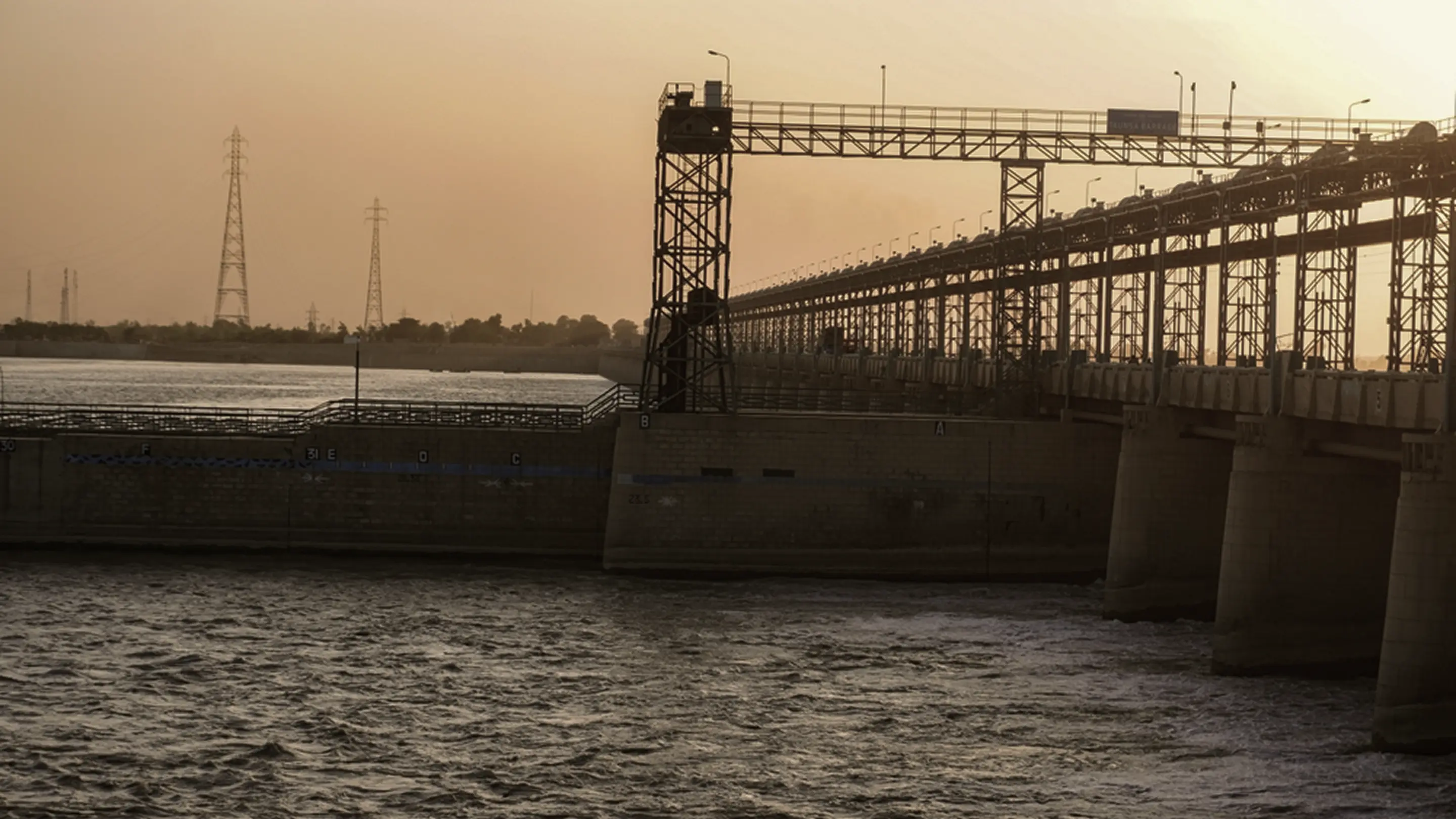
Let us imagine you are a government engineer or a private developer planning a dam in Punjab, say in the Salt Range or along the Chenab River. How do you actually use the four qualifications above?
Step 1: Issue a pre‑qualification notice. Instead of inviting everyone to bid, first ask contractors to submit documents proving PEC category, experience, financials, and equipment. Give them 30 days. Evaluate the submissions with a simple scorecard. Weight experience at 40 percent, financials at 30 percent, equipment at 20 percent, and PEC grade at 10 percent.
Step 2: Shortlist three to five contractors. Invite each for a technical presentation. Ask them to walk you through a similar dam project they completed. Pay attention to how they handled foundation treatment, spillway construction, and quality control. Request to visit one of their recent project sites unannounced. A confident contractor will agree.
Step 3: Check safety and quality records. Large dams have no margin for error. Ask for their lost time injury frequency rate and their quality audit reports from the last three years. You can see an example of a strong safety culture on our safety approach page. If a contractor cannot produce these records or tries to hide them, walk away.
Step 4: Review their subcontracting plan. Even the best contractor will subcontract some work, like grouting or instrumentation. Ask for a list of proposed subcontractors and verify their qualifications, too. Do not allow the main contractor to subcontract more than 30 percent of the contract value without your written approval.
Step 5: Conduct a reference call with at least two past clients. Do not rely on written letters. Call the client's project manager directly. Ask: Did the contractor finish on time? How did they handle changes? Were there any safety incidents? Would you hire them again? Listen for hesitation. Silence or vague answers are red flags.
This process takes time, but it is far cheaper than fixing a failed dam. For a deeper understanding of how we manage complex heavy civil projects, explore our infrastructure works page.
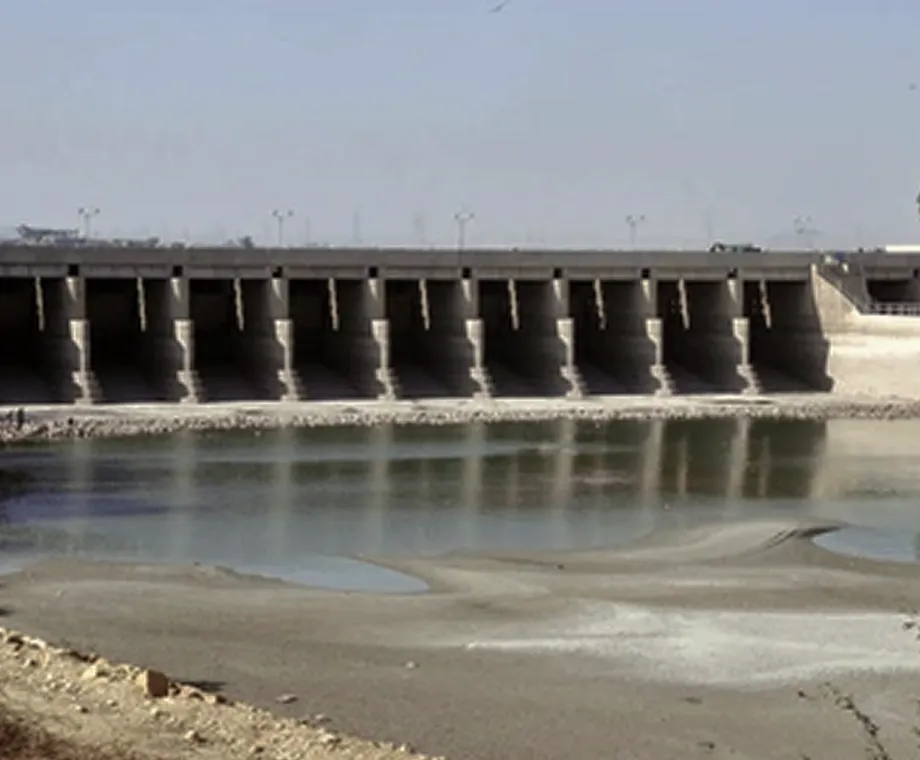
Selecting a civil engineering contractor for a large dam is not something you do every year. It is a high-stakes decision that will affect your organization's finances, reputation, and public safety for decades. The good news is that the right framework makes the choice much clearer.
Focus on the four non-negotiables: correct PEC category, proven heavy civil experience, solid financials, and specialized equipment with skilled staff. Then apply the step-by-step process we outlined, from pre‑qualification to site visits to reference checks. Do not skip the local knowledge questions, especially if you are building in Punjab. A contractor who understands the geology, the monsoon, the supply chain, and the government approval process will save you years of headaches.
And remember: the lowest bid is rarely the best bid for a dam. Cheap construction leads to leaks, cracks, and, in the worst case, collapse. Pay for quality. Pay for experience. Pay for a contractor who treats safety and quality as non-negotiable values. Your project, your budget, and the communities downstream will thank you.
Now go and evaluate those contractors with confidence. You have the framework. Use it.


A clear explanation of how construction companies, contractors, and developers differ in Pakistan, covering ownership, risk, contractual position, and which one your project needs.