


.webp)



What a Construction Company Profile Should Actually Contain
Read more


When people think of construction's environmental impact, they usually picture emissions from operating buildings: heating, cooling, and lighting. But a building's carbon footprint starts long before anyone turns on a light. The materials used to build it, concrete, steel, bricks, and glass, carry a significant carbon cost from extraction, manufacturing, and transport. This is called embodied carbon.
The leading contractors in Pakistan are increasingly focused on reducing embodied carbon. They recognise that sustainable construction is not just about energy efficiency during operations. It is about choosing materials and methods that minimise environmental impact from the very beginning. For a broader look at sustainability in construction, read our article on green building trends.
This blog explores how top contractors are tackling embodied carbon through low-carbon concrete, supplementary cementitious materials, sustainable sourcing, and innovative construction techniques. The World Green Building Council (WorldGBC) has published extensive research on embodied carbon reduction, and leading Pakistani contractors are adopting many of these recommendations. Visit AMCORP's homepage to learn more about our sustainability approach.
Embodied carbon refers to the total greenhouse gas emissions generated during the lifecycle of building materials. This includes extraction of raw materials, manufacturing, transportation, construction, maintenance, and eventual disposal. For a typical commercial building in Pakistan, embodied carbon can account for 30 to 50 percent of the total carbon footprint over its lifetime.
The leading contractors in Pakistan understand that reducing embodied carbon is not just an environmental concern; it is also a business imperative. Clients are increasingly asking for sustainability credentials. International investors and lenders are demanding lower carbon footprints. Contractors who ignore embodied carbon risk being excluded from major projects.
Concrete and steel are the biggest contributors. Cement production alone accounts for nearly 8 percent of global CO2 emissions. Steel production adds another 7 percent. Together, these two materials represent the majority of embodied carbon in most buildings. The Pakistan Engineering Council (PEC) has started incorporating sustainability criteria into its professional development programmes, recognising the growing importance of this issue.
For contractors, reducing embodied carbon means rethinking material selection, supply chains, and construction methods. It is a complex challenge, but the leading contractors in Pakistan are proving that it is achievable. For more on how top contractors approach sustainability, read our article on how leading contractors embed sustainability.
The leading contractors in Pakistan are implementing several practical strategies to reduce embodied carbon on their projects.
1. Low-carbon concrete. Traditional Portland cement is carbon-intensive. Leading contractors are replacing a portion of cement with supplementary cementitious materials (SCMs) like fly ash, slag, and silica fume. These industrial byproducts would otherwise go to landfills. Using SCMs can reduce the carbon footprint of concrete by 30 to 50 percent. The Parco precast wall project used precast concrete with optimised mix designs, demonstrating how off-site manufacturing can also reduce waste.
2. Sustainable material sourcing. Transportation emissions add to embodied carbon. Leading contractors source materials locally wherever possible. They also choose suppliers who use renewable energy in manufacturing. For steel, they specify recycled content, which has a much lower carbon footprint than virgin steel. The International Energy Agency (IEA) has published research showing that recycled steel can reduce embodied carbon by up to 70 percent.
3. Prefabrication and modular construction. Building components off-site reduces waste and improves material efficiency. The Parco precast wall project is an example of how precast concrete can reduce on-site waste and improve quality. Off-site manufacturing also allows for more precise material use, reducing offcuts and rejects. To learn more about modular approaches, read our article on modular construction innovation.
4. Design optimisation. The best way to reduce embodied carbon is to use less material. Leading contractors work with designers to optimise structural systems, reducing the amount of concrete and steel required. For example, using post-tensioned slabs can reduce slab thickness, saving material. Similarly, optimising column spacing can reduce the number of columns without compromising structural integrity.
5. Construction waste management. Reducing waste on site directly reduces embodied carbon. Leading contractors implement strict waste segregation and recycling programmes. They also use digital tools to track material quantities and minimise over-ordering. Our quality management system includes waste reduction protocols.
These strategies are not theoretical. They are being implemented on projects across Pakistan. Contractors who master them gain a competitive advantage as clients increasingly demand sustainable solutions. For more on sustainable practices, read our article on pre-engineered buildings.
Reducing embodied carbon in Pakistan comes with unique challenges. The leading contractors in Pakistan have developed practical solutions.
Challenge 1: Limited availability of SCMs. Fly ash and slag are not always available in all regions. Supply chains are still developing. Leading contractors build relationships with power plants and steel mills to secure a consistent supply. They also use alternative SCMs like rice husk ash, which is available in agricultural areas.
Challenge 2: Cost sensitivity. Low-carbon materials can cost more upfront. However, leading contractors educate clients on the long-term benefits: lower energy costs, higher asset value, and improved marketability. They also point out that some low-carbon options, like optimised design, actually reduce costs. The World Business Council for Sustainable Development (WBCSD) has published case studies showing that low-carbon buildings often have lower total cost of ownership.
Challenge 3: Lack of awareness. Many clients and even some engineers are not familiar with embodied carbon. Leading contractors invest in training for their teams and conduct workshops with clients. They also share success stories to build confidence. Our technology approach includes tools for measuring and reporting embodied carbon.
Challenge 4: Regulatory gaps. Pakistan does not yet have mandatory embodied carbon reporting. However, leading contractors do not wait for regulations. They voluntarily measure and report their carbon footprint, building trust with forward-thinking clients. The Pakistan Green Building Council is working to develop local standards, and leading contractors are actively participating.
Challenge 5: Supply chain complexity. Tracking the carbon footprint of every material is difficult. Leading contractors use digital tools and work with suppliers to obtain environmental product declarations (EPDs). This data helps them make informed decisions.
The leading contractors in Pakistan treat these challenges as opportunities to differentiate themselves. By investing in low-carbon solutions now, they are positioning themselves for a future where sustainability is non-negotiable. For more on how leading contractors manage risks, read our article on risk management strategies.
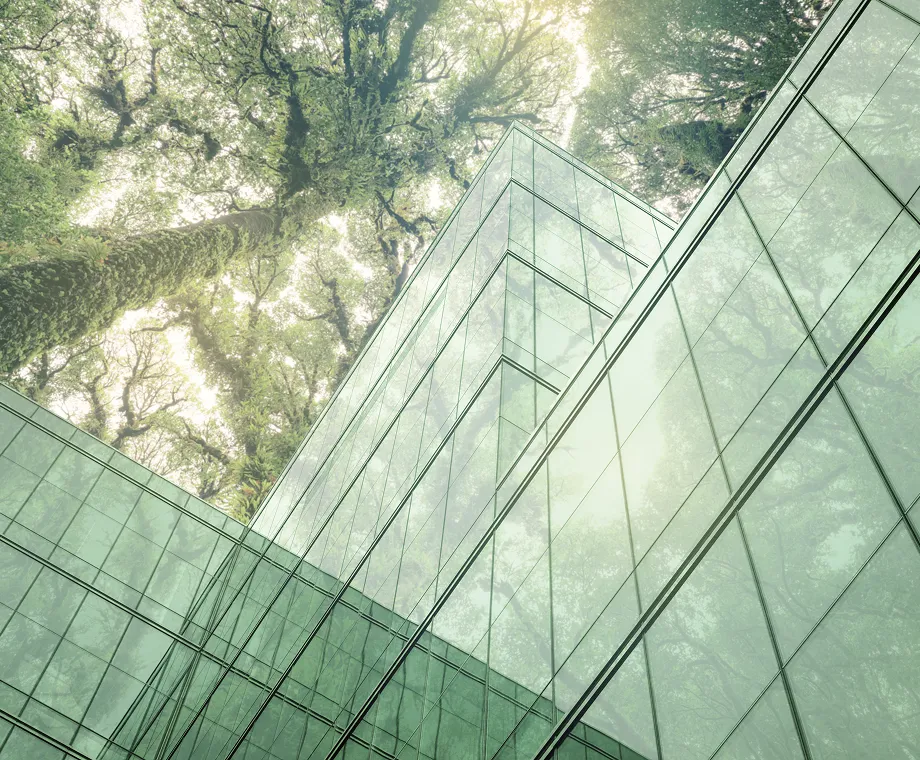
Reducing embodied carbon is not a passing trend. It is becoming a core requirement for construction projects worldwide. The leading contractors in Pakistan are already ahead of the curve. They are using low-carbon concrete, sustainable materials, prefabrication, design optimisation, and waste reduction strategies. They are also navigating local challenges: limited SCM availability, cost sensitivity, lack of awareness, regulatory gaps, and supply chain complexity.
For project owners, the message is clear. Ask your contractor about embodied carbon. What is their strategy for reducing it? Do they use SCMs? Do they source materials locally? Do they measure and report their carbon footprint? The answers will reveal whether your contractor is building for the future or stuck in the past.
For contractors, the message is equally clear. Invest in low-carbon solutions now. Build relationships with suppliers of SCMs. Train your teams. Measure and report your progress. The contractors who lead on sustainability will win the projects of tomorrow.
To see how AMCORP is integrating sustainability into its projects, explore our portfolio of structural building projects and our EPC projects. The future of construction is low-carbon, and it is already here.

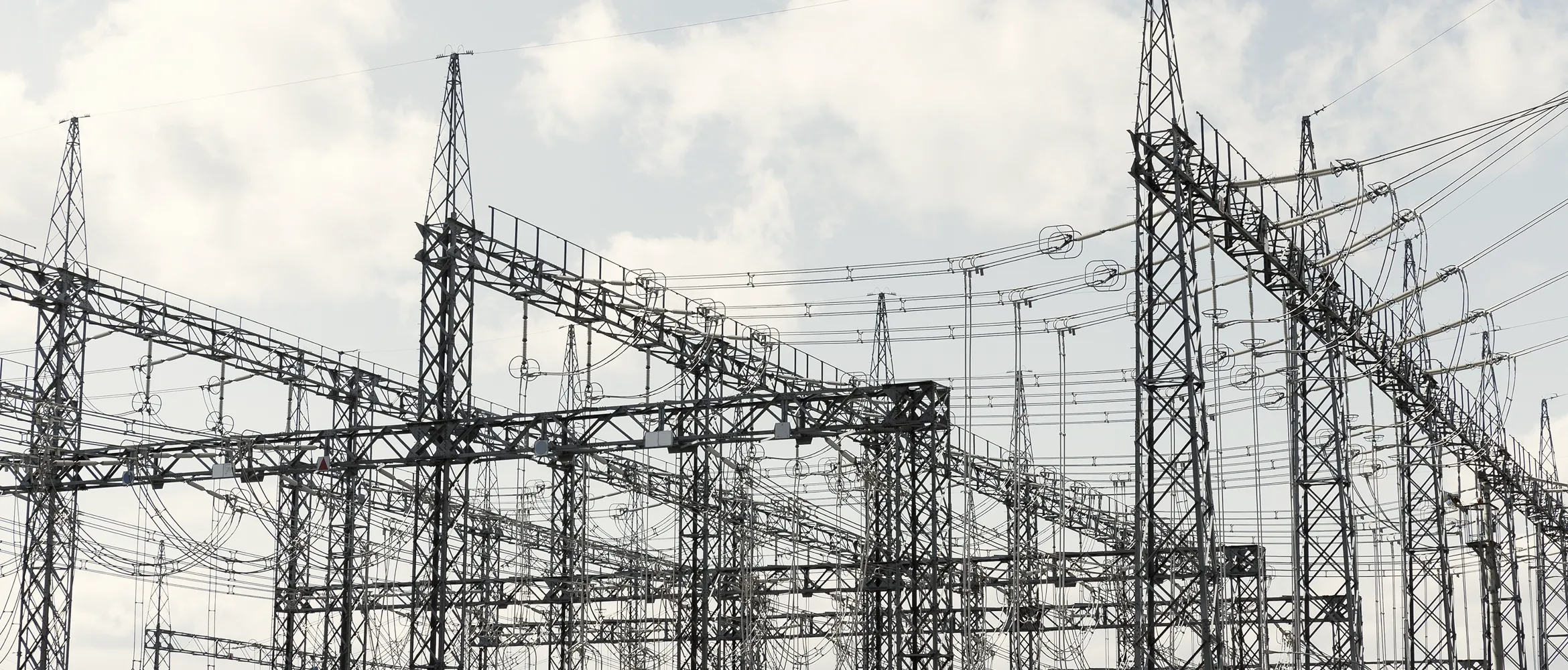
What the civil scope on a grid station covers in Pakistan, why tolerances are tighter than most building work, and where these projects typically run into trouble.