





.webp)







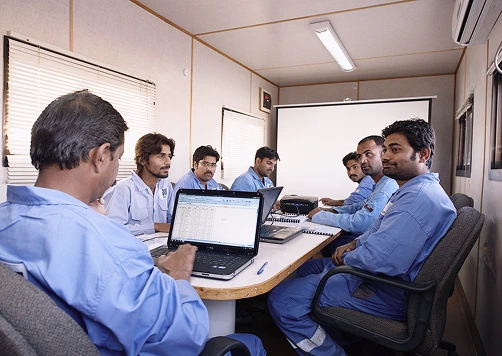

Who Does What on a Large Construction Site
Read more



You are planning a large industrial project. You call a few contractors for quotes. Some say they will do EPC. Others say LSTK. You hear both terms, but no one explains the difference clearly. So you end up guessing, and guessing wrong can cost you millions.
This confusion is common. Many project owners in Pakistan treat EPC and LSTK as the same thing. They are not. One gives you more control but more complexity. The other transfers almost all risk to the contractor but comes at a premium price.
A qualified civil engineering contractor Pakistan needs to help you understand these contract types so you can choose the right one. This blog explains what EPC and LSTK mean, how they differ, and which one works better for different projects. For a broader look at how experienced contractors structure their work, visit AMCORP's homepage.
Let us start with definitions. EPC stands for Engineering, Procurement, and Construction. Under an EPC contract, the contractor is responsible for the entire project lifecycle. They handle the design, they buy all the materials and equipment, and they build the facility. At the end, they hand over a complete, ready to use project. The client only needs to "turn the key" to start operations. That is why EPC contracts are often called turnkey contracts.
LSTK stands for Lump Sum Turn Key. This is actually a specific type of EPC contract. The "Lump Sum" part means the contractor agrees to do all the work for one fixed price. There are no surprises, no hidden costs, and no cost plus billing. The price you see is the price you pay.
The best way to think about it is simple. EPC tells you how the work gets done, the contractor handles engineering, buying materials, and construction all in one package. LSTK tells you how you pay for that work, one fixed price for the whole job.
Most EPC contracts are priced as lump sum. That is why you often hear the combined term "EPC LSTK contract." In everyday construction language, especially in Pakistan's industrial sector, a contractor offering "turnkey" services is usually offering an EPC contract priced on a lump sum basis.
But the distinction matters for how much risk you take and how much control you keep.
Now that you know what each term means, let us compare them side by side. A civil engineering contractor Pakistan will explain these three differences.
Responsibility. Under an EPC contract, the contractor takes full responsibility for everything: engineering design, procurement of equipment and materials, construction, commissioning, and testing. If something goes wrong, you have one point of contact. The contractor cannot blame a subcontractor or a supplier because they hired those parties. Under a pure LSTK arrangement, the responsibility is even more concentrated. The contractor is contractually obligated to deliver a fully operational facility for a fixed price by a fixed date. There is no room for variations or excuses.
Risk allocation. In EPC contracts, the contractor takes most of the technical and schedule risks. But the client still carries some financial risk if the scope changes. In LSTK contracts, the contractor takes nearly all the risk. If material prices go up, the contractor pays the difference. If labour costs increase, the contractor absorbs it. If the design needs rework, the contractor covers it. That is why LSTK bids are usually higher. Contractors add a risk premium to protect themselves against unknowns.
Price certainty. EPC contracts can be priced in different ways. Some are lump sum. Some are cost plus, meaning you pay the actual costs plus a fee. Others are guaranteed maximum price. LSTK contracts are always lump sum. The price is fixed before work begins. This gives you complete budget certainty. But that certainty comes at a cost. Contractors will price in contingencies for risks that may never happen. For a well defined project with clear scope, LSTK can be excellent. For a project with many unknowns, cost plus EPC might be safer and cheaper.
Here is a simple rule. If you know exactly what you want and the technology is proven, LSTK gives you peace of mind. If you expect changes during the project, a flexible EPC with cost plus or unit price billing will save you money.

In Pakistan, most large industrial and infrastructure projects use some form of EPC or LSTK contracting. The Pakistan Engineering Council (PEC) has issued standard bidding documents specifically for EPC and turnkey contracts, which are widely used across the country.
For example, a power plant or a cement factory with well defined technology and clear performance requirements is ideal for LSTK. The contractor knows exactly what to build. You want a fixed price and a fixed completion date. You want to transfer risk to the contractor. That is LSTK territory.
For infrastructure projects like roads, bridges, or water treatment plants where ground conditions can vary and approvals are uncertain, a standard EPC contract with a more flexible pricing mechanism may work better. You still get single point responsibility, but you are not forcing the contractor to price every unknown risk upfront.
The best construction companies in Pakistan will help you decide based on your specific project. They will not push you into an LSTK contract if your scope is unclear. And they will not offer a vague EPC if you need price certainty.
A qualified civil engineering contractor Pakistan should be able to explain these trade offs clearly. They should show you examples of projects they have delivered under each contract type. Our portfolio of EPC projects includes both LSTK and other EPC variants, each tailored to the client's needs.
Beyond the contract type, you also want to ensure your contractor meets all mandatory qualifications. For a complete checklist of what any civil engineering contractor in Pakistan must have, including valid PEC licenses, performance bonds, and proper safety certifications, see our detailed guide on licenses, bonds, and safety requirements.

Do not let confusing terminology decide your project's fate. EPC and LSTK are tools, not traps. Use them wisely.
For clients, the choice comes down to three factors. First, how well defined is your scope? If you have detailed engineering and clear specifications, LSTK gives you price certainty. If the scope is loose, a cost plus EPC gives you flexibility. Second, how much risk do you want to transfer? LSTK transfers nearly all risk to the contractor but at a premium price. Third, what is your tolerance for change orders? LSTK contracts make changes expensive and slow. For contractors, offering both EPC and LSTK options is a mark of maturity. It shows you understand your client's needs, not just your own convenience.
The best construction companies in Pakistan do not hide behind jargon. They explain. They advise. They help you pick the contract that makes your project successful. To see how we have delivered turnkey projects across Pakistan, from gas plants to port expansions, explore our complete project portfolio.

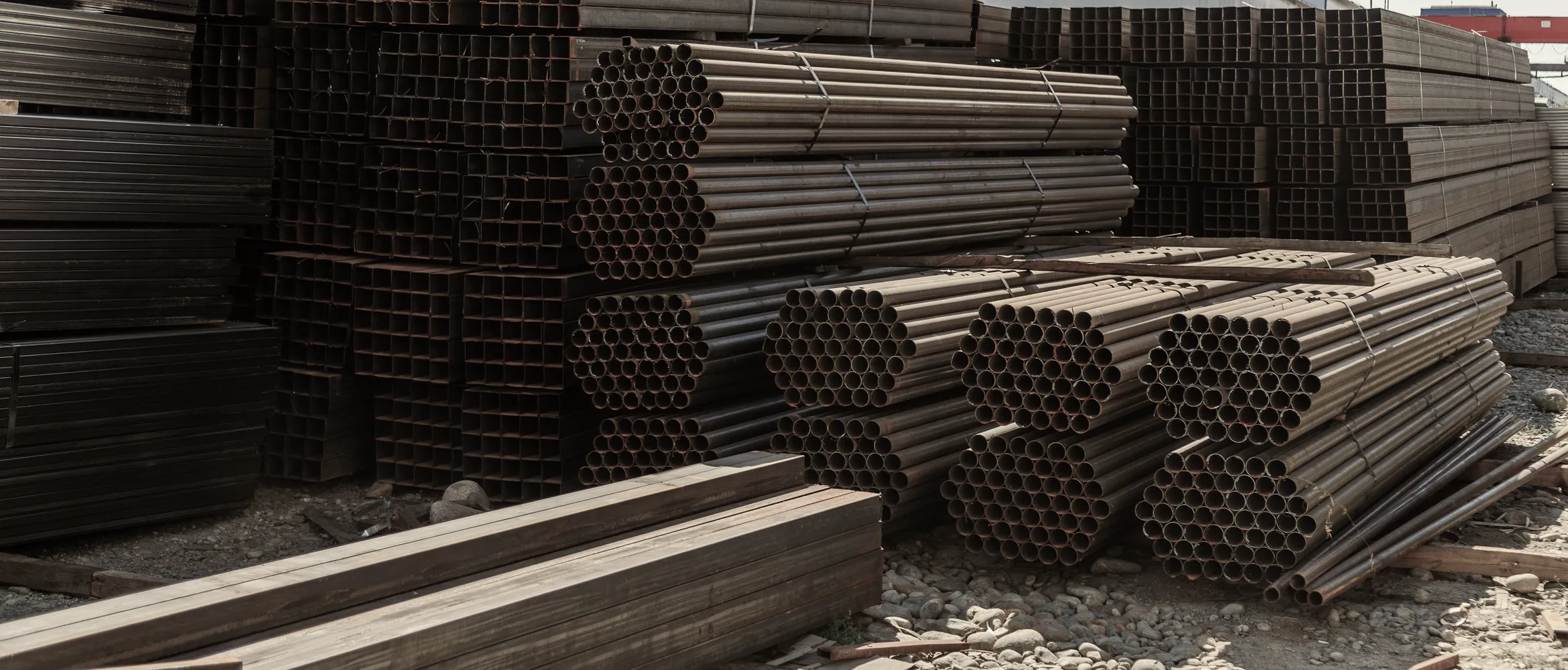
Where Pakistan's cement, bricks, steel, and aggregate are produced, how far they travel to site, and why sourcing distance shapes cost, schedule, and emissions.