


.webp)




Construction Company, Contractor, or Developer: What Each One Actually Means
Read more


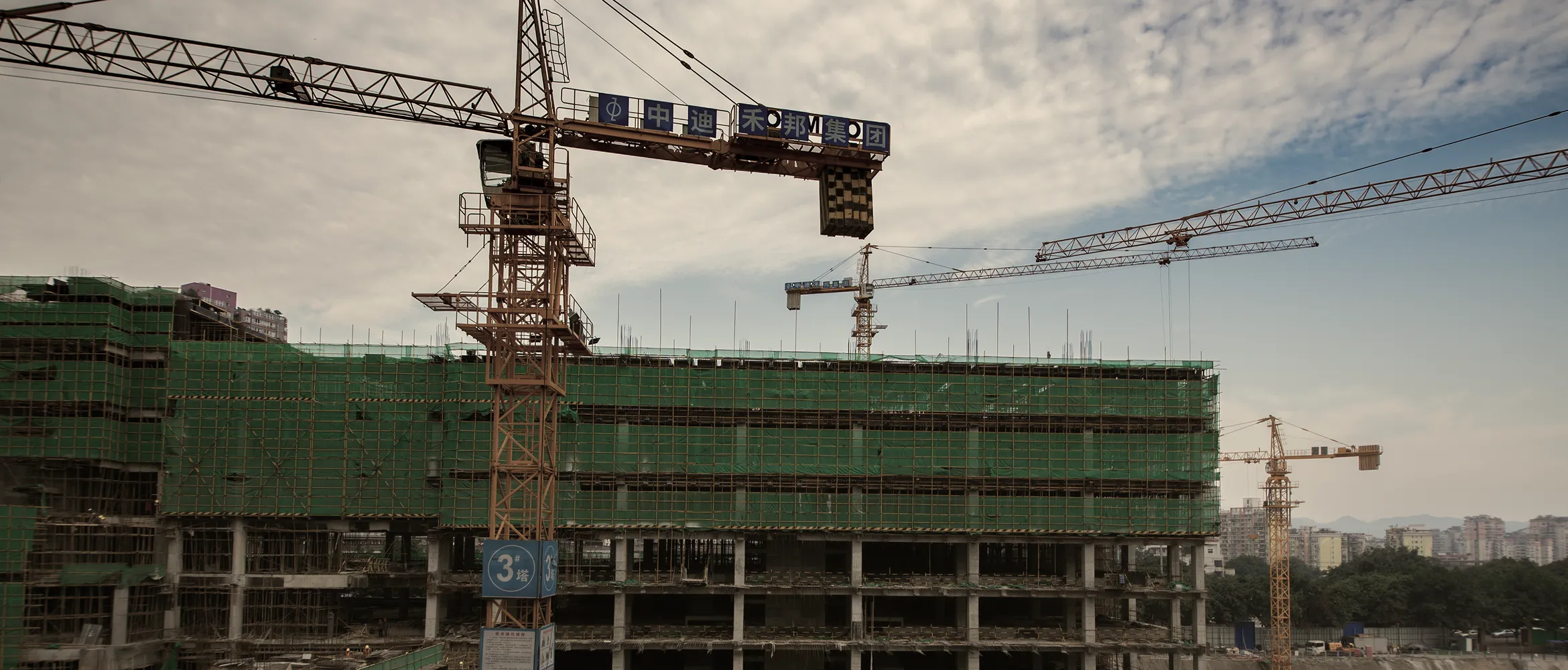
Karachi is changing. Drive along the Northern Bypass or through the industrial zones of Korangi and SITE, and you will notice something different. New warehouses, factories, and even office blocks are going up faster than before. The secret is not magic. It is pre-engineered buildings, or PEBs for short.
For decades, most construction firms in Karachi relied on conventional concrete and brick construction. That method works, but it is slow. Weather delays, labor shortages, and material price swings can stretch a simple warehouse project to twelve months. In a city where time is money, that is a problem.
Pre-engineered buildings offer a different path. Steel frames are designed off site, fabricated in a controlled factory, then shipped to the location for assembly. The result is a structure that goes up in weeks, not months. This blog explains why PEB adoption is accelerating, how the process works, and what it means for Karachi's construction future. For a broader view of modern construction methods, visit AMCORP's homepage.
A pre-engineered building is exactly what the name suggests. The entire steel structure is engineered in advance using software, then manufactured in a factory. The columns, rafters, purlins, and bracing are cut, welded, and drilled precisely. When the pieces arrive on site, workers bolt them together like a giant toy set.
Construction firms in Karachi are adopting PEBs for four main reasons.
1. Speed of erection. A 5,000 square meter warehouse can be fully enclosed in six to eight weeks using PEB. Conventional construction would take six to nine months. For businesses that need to start production or storage quickly, that speed is invaluable.
2. Cost predictability. Because the steel is fabricated in a factory, there are fewer surprises. Material waste is lower. Labor costs are more predictable. And the shorter project duration means less exposure to inflation. The Metal Building Manufacturers Association (MBMA) publishes data showing that PEBs typically save 20 to 30 percent compared to conventional steel buildings.
3. Quality control. Factory fabrication means consistent welding, accurate drilling, and proper painting. On-site welding in Karachi's dust and humidity can lead to defects. PEB components arrive ready to install, with quality checks already completed.
4. Design flexibility. Many people think PEBs are just boring boxes. In reality, modern PEB systems can accommodate cranes, mezzanine floors, office areas, and even architectural facades. Leading construction firms in Karachi are now using PEBs for showrooms, aircraft hangars, and sports facilities.
Our structural building works incorporate PEB technology where appropriate, blending speed with strength.
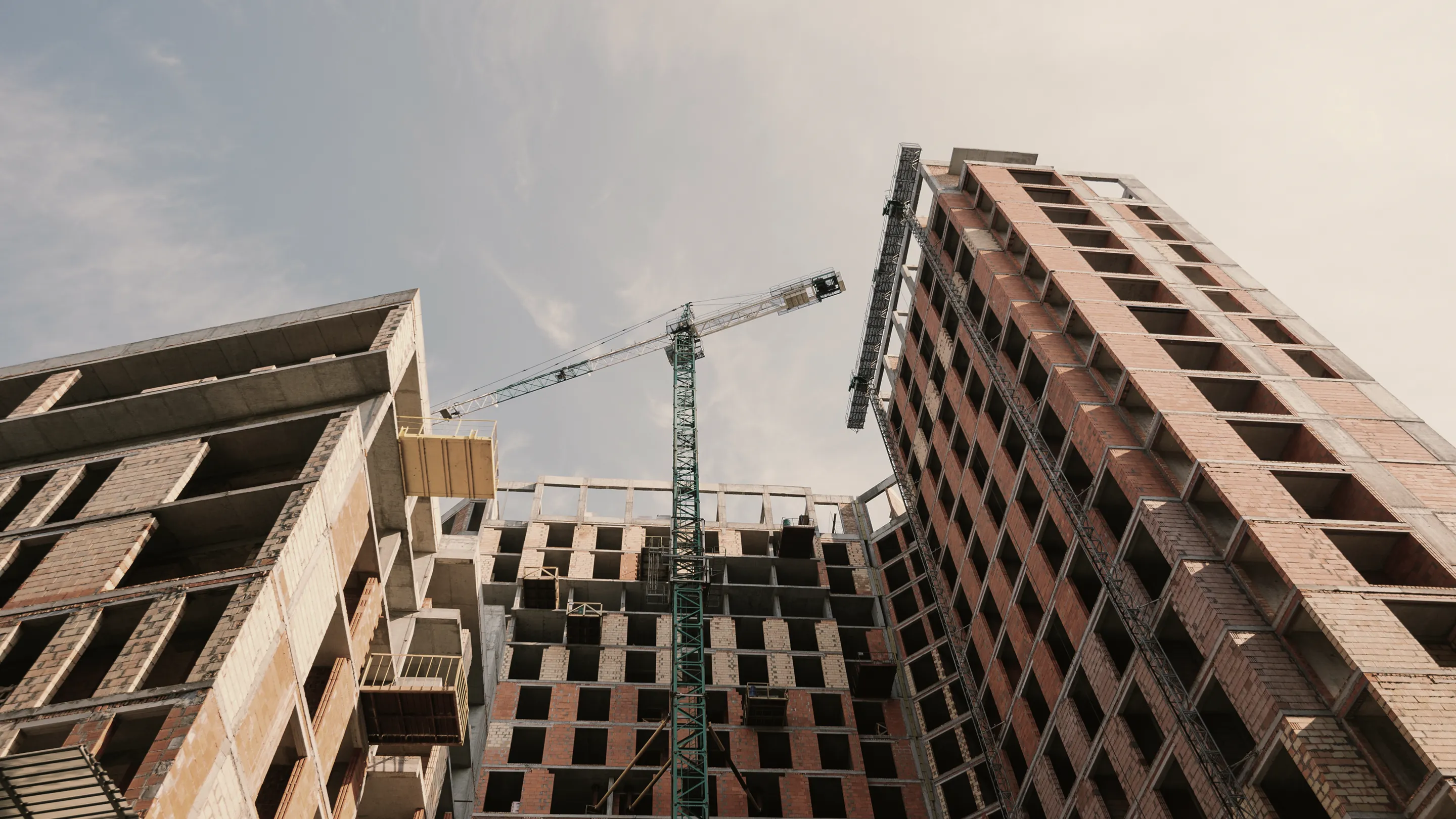
Let us walk through a real scenario. A food processing company in the Korangi Industrial Area needs a new cold storage and packing facility. They approach a contractor who uses PEB. Here is how the project flows differently.
Phase 1: Design and engineering (3 to 4 weeks). The contractor's engineer designs the steel frame using specialized software. The design accounts for Karachi's wind loads, seismic zone, and the client's specific crane and racking requirements. The client approves the drawings online.
Phase 2: Fabrication (4 to 6 weeks). While the site is being cleared and foundations are poured, the steel is being fabricated in a factory, sometimes in another city. There is no waiting for bricks or curing of concrete columns.
Phase 3: Delivery and erection (3 to 4 weeks). Trucks deliver numbered steel pieces to the site. A small crew with a mobile crane bolts the frame together. Within a month, the building is watertight. Meanwhile, conventional construction would still be on the first-floor slab.
Phase 4: Finishing (2 to 3 weeks). Insulated sandwich panels for walls and roof are attached. Doors, windows, and electrical conduits are installed. The total project time from design to handover is around four to five months. Conventional would take ten to twelve.
This speed advantage explains why construction firms in Karachi are investing in PEB capabilities. Clients who experience a fast, clean project rarely go back to slow methods. The Pakistan Engineering Council has also recognized PEB as a valid construction system for industrial and commercial buildings.
For examples of how we integrate modern methods into large projects, browse our portfolio of EPC projects.
Karachi presents unique challenges that make pre-engineered buildings especially attractive. The construction firms in Karachi that have embraced PEB understand these local factors better than those still stuck in conventional methods.
Land and space constraints. Karachi is dense. Industrial zones have limited space for material storage. PEB requires minimal on-site storage because components arrive just in time for assembly. There is no need for large brick stockpiles or sand heaps. This is a huge advantage in congested areas like SITE or Korangi.
Security concerns. With steel components arriving in sequence, there is less risk of theft compared to loose construction materials. Bags of cement and coils of rebar are easy to steal. Numbered steel sections are harder to sell on the open market.
Labor availability and skill level. Skilled welders and fitters are expensive and sometimes scarce. PEB reduces on-site welding because most connections are bolted. The small crew needed for erection can be trained quickly. This reduces the risk of labor strikes or shortages delaying your project.
Power outages and weather. Conventional construction slows down during Karachi's monsoon or when power fails, and water pumps stop. PEB erection is less dependent on electricity and water. The frame goes up quickly, and the building becomes usable sooner, even if finishing takes a bit longer.
Sustainability benefits. PEB generates less construction waste. Steel is highly recyclable. And the insulated panels used for walls and roofs improve energy efficiency, reducing cooling costs in Karachi's hot climate. This aligns with global sustainability goals. Our sustainability approach includes promoting materials and methods that lower environmental impact.
Despite these benefits, some contractors resist PEB because they are comfortable with traditional methods or lack relationships with reliable fabricators. But as more construction firms in Karachi demonstrate successful PEB projects, the tipping point has arrived. Clients are now requesting PEB by name.
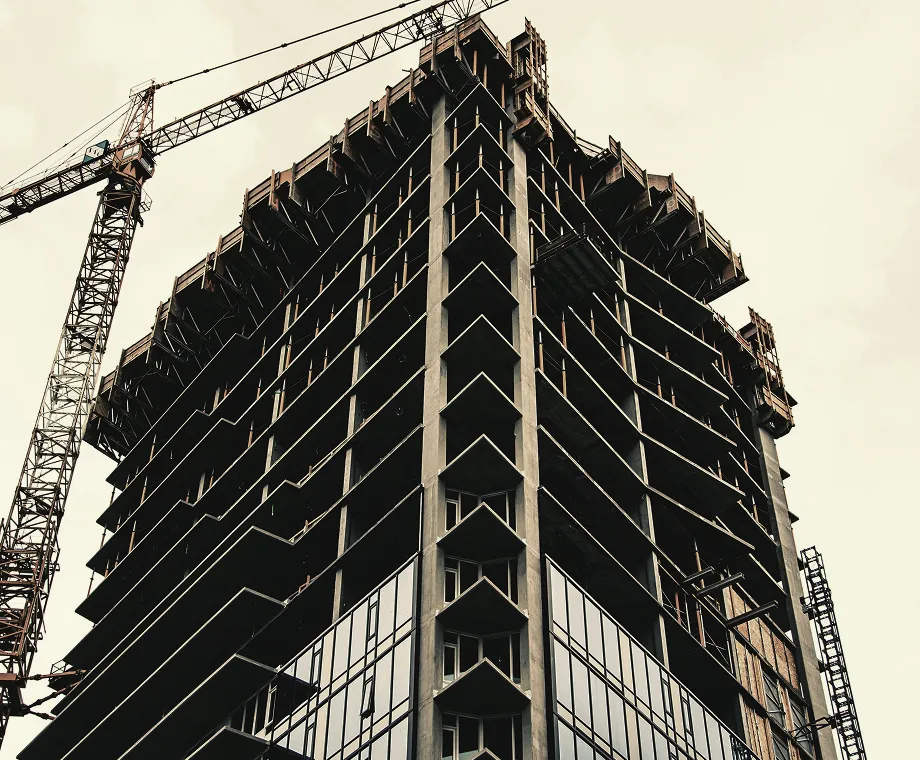
Pre-engineered buildings are not a passing trend. They represent a fundamental shift in how industrial and commercial construction happens in Karachi. The construction firms in Karachi that adopt PEB gain a competitive advantage: they deliver projects faster, with fewer cost overruns, and with higher quality control.
For clients, the message is clear. If you need a warehouse, factory, showroom, or even an office block, ask your contractor whether they offer pre-engineered building solutions. Compare the timeline and cost against conventional methods. You will likely find that PEB saves you months and a significant percentage of your budget.
Karachi is a city that cannot afford slow construction. The demand for industrial space, cold storage, and logistics hubs is growing. Pre-engineered buildings are part of the answer. Contractors who embrace this technology will lead the market. Those who do not will be left behind.
If you are planning a project, look for partners who have already made the switch. Your timeline and your bottom line will thank you. To see how we blend innovation with reliability, explore our legacy of projects.

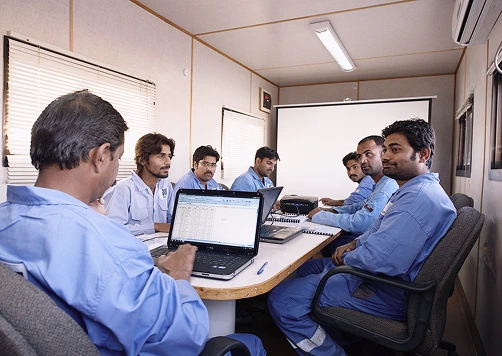
Who does what on a large construction site in Pakistan, covering project management, engineering, HSE, commercial, and support roles, and how the reporting lines connect.