


.webp)

Construction Company, Contractor, or Developer: What Each One Actually Means
Read more


For decades, construction in Pakistan focused on one thing: getting the job done as cheaply as possible. Environmental impact was an afterthought. But that is changing. Clients are asking for energy-efficient buildings. Regulators are tightening environmental standards. And the top construction companies in Pakistan are realizing that green building is not just good for the planet, it is good for business.
Green buildings cost less to operate, attract higher rents, and command better resale values. They also help contractors win international projects where sustainability is mandatory. Yet many local firms still think green means expensive. The reality is different.
This blog explores the main green building trends in Pakistan: LEED certification, sustainable materials, energy efficiency, solar integration, water recycling, and low‑carbon concrete. You will learn what the market leaders are doing and how you can apply these ideas to your next project. For a broader view of our sustainability approach, visit AMCORP's homepage.
The top construction companies in Pakistan are embracing several interconnected trends. Here are the most impactful ones.
1. LEED certification. LEED (Leadership in Energy and Environmental Design) is the world's most recognized green building rating system. Developed by the U.S. Green Building Council (USGBC), LEED certifies buildings that score points in categories like water efficiency, energy use, materials selection, and indoor air quality. In Pakistan, several new commercial towers and industrial facilities are now targeting LEED Gold or Platinum. The certification process adds 2 to 5 percent to upfront costs but typically pays back within three to five years through lower utility bills.
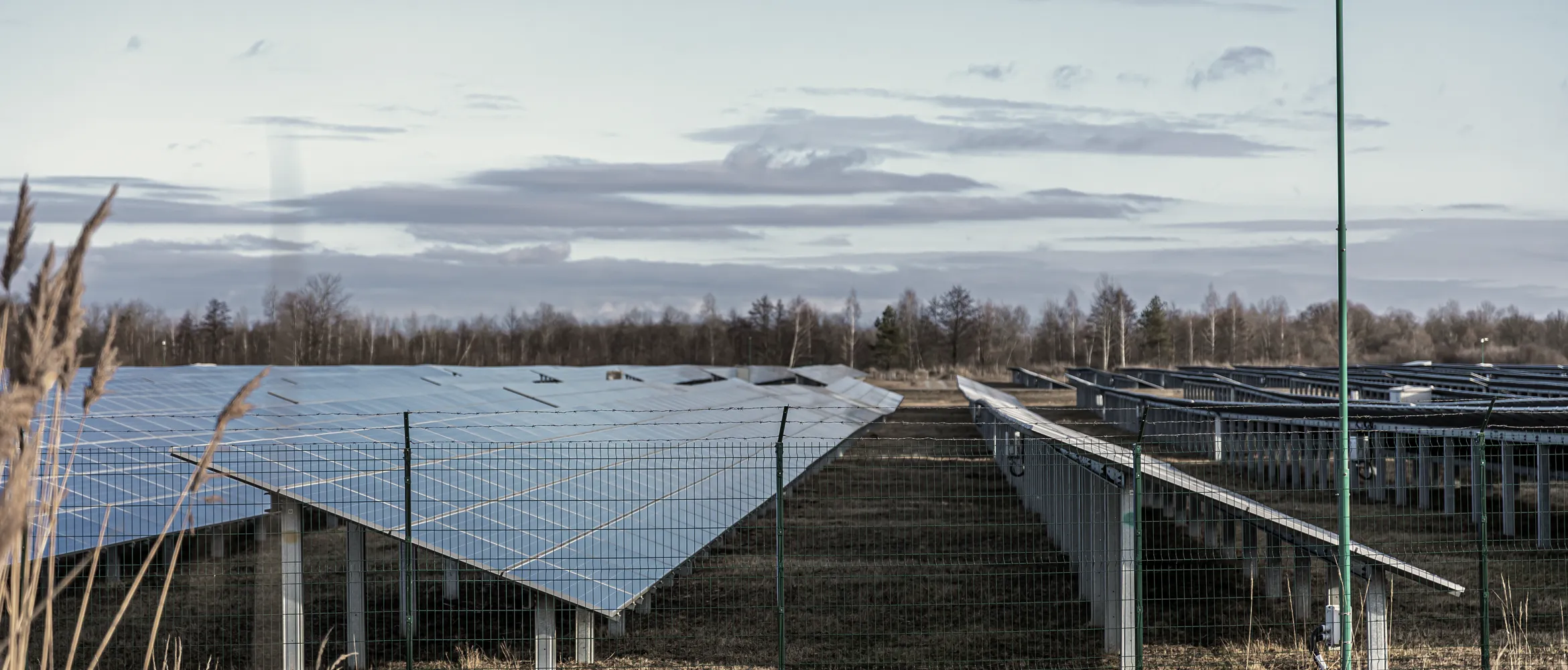
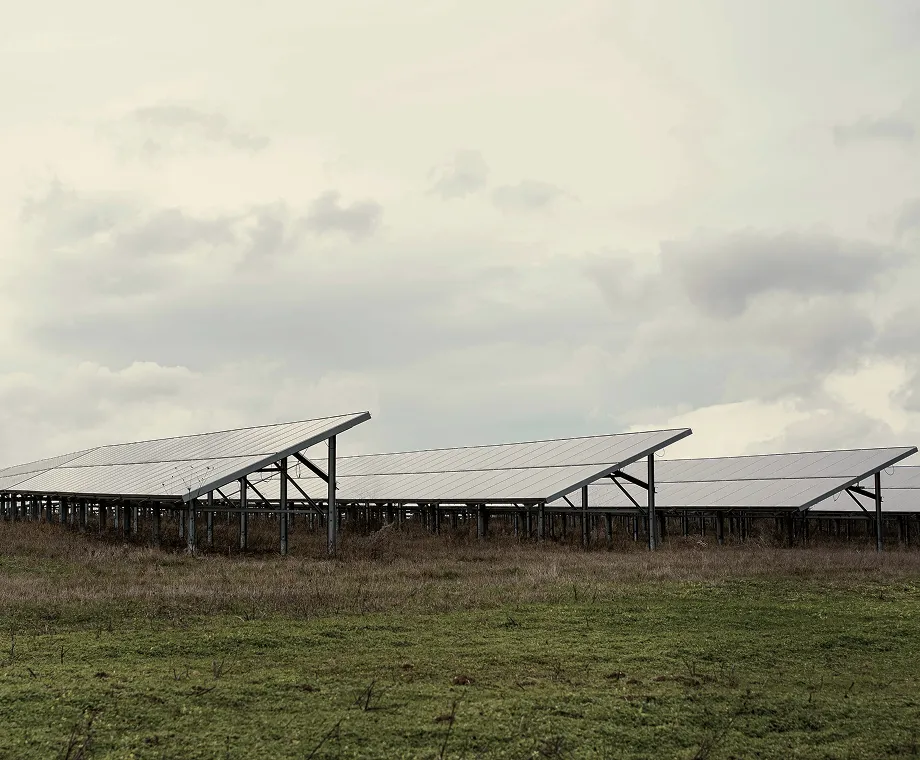
2. Solar integration. Pakistan has some of the highest solar radiation levels in the world. Top contractors are installing rooftop and carport solar panels as standard features on new warehouses, factories, and office buildings. Some are even building solar farms on unused land within their project boundaries. This reduces reliance on an unstable grid and lowers carbon footprint. Our EPC projects portfolio includes renewable energy installations that demonstrate this capability.
3. Water recycling and rainwater harvesting. Groundwater levels in major cities are falling fast. Green buildings now include greywater recycling systems that treat water from sinks and showers for use in landscaping and toilet flushing. Rainwater harvesting captures monsoon runoff for non‑potable uses. Leading contractors are also installing low‑flow fixtures that cut water consumption by 40 percent or more.
4. Low‑carbon concrete. Concrete production accounts for nearly 8 percent of global CO2 emissions. Top contractors are switching to concrete mixes that replace a portion of cement with industrial byproducts like fly ash or slag. These mixes are stronger, more durable, and emit up to 30 percent less carbon. Some are also using recycled aggregates from demolished buildings.
5. Energy-efficient building envelopes. Instead of single brick walls, green buildings use insulated cavity walls, double-glazed windows, and cool roofs that reflect sunlight. These measures reduce air conditioning loads by 30 to 50 percent. In Pakistan's hot climate, that translates directly into lower electricity bills and less strain on the grid.
The World Green Building Council tracks these trends globally, and Pakistani leaders are following closely. Contractors who ignore these trends will lose clients to those who embrace them.
Let us look at how the top construction companies in Pakistan put these trends into practice on an actual project, for example, a new 50,000 square foot corporate headquarters in Lahore.
Design phase. The contractor brings in a LEED consultant early. The team sets a target of LEED Gold. They orient the building to maximize natural light and minimize heat gain. They specify low‑VOC paints and adhesives for healthy indoor air. The landscape plan uses native, drought-tolerant plants that need no irrigation after establishment.
Construction phase. The contractor sources fly ash concrete from a local supplier. They set up on‑site sorting for construction waste, recycling steel, cardboard, and clean wood. They install temporary solar panels to power site offices, reducing diesel generator use. They train subcontractors on erosion control to prevent sediment runoff into storm drains.
Post‑construction. The completed building features a 100 kW rooftop solar array covering 40 percent of its electricity needs. A rainwater harvesting system supplies all landscape irrigation. Sensors control LED lighting and HVAC based on occupancy. The building's energy use is monitored remotely, with monthly reports sent to facility managers.
The result: utility bills are 35 percent lower than a comparable conventional building. Employee absenteeism drops due to better indoor air quality. The client receives a LEED Gold plaque, which becomes a marketing asset. And the contractor gains a reference project that helps win more green building contracts.
Our technology and innovation page explains how we integrate such features into our own projects.
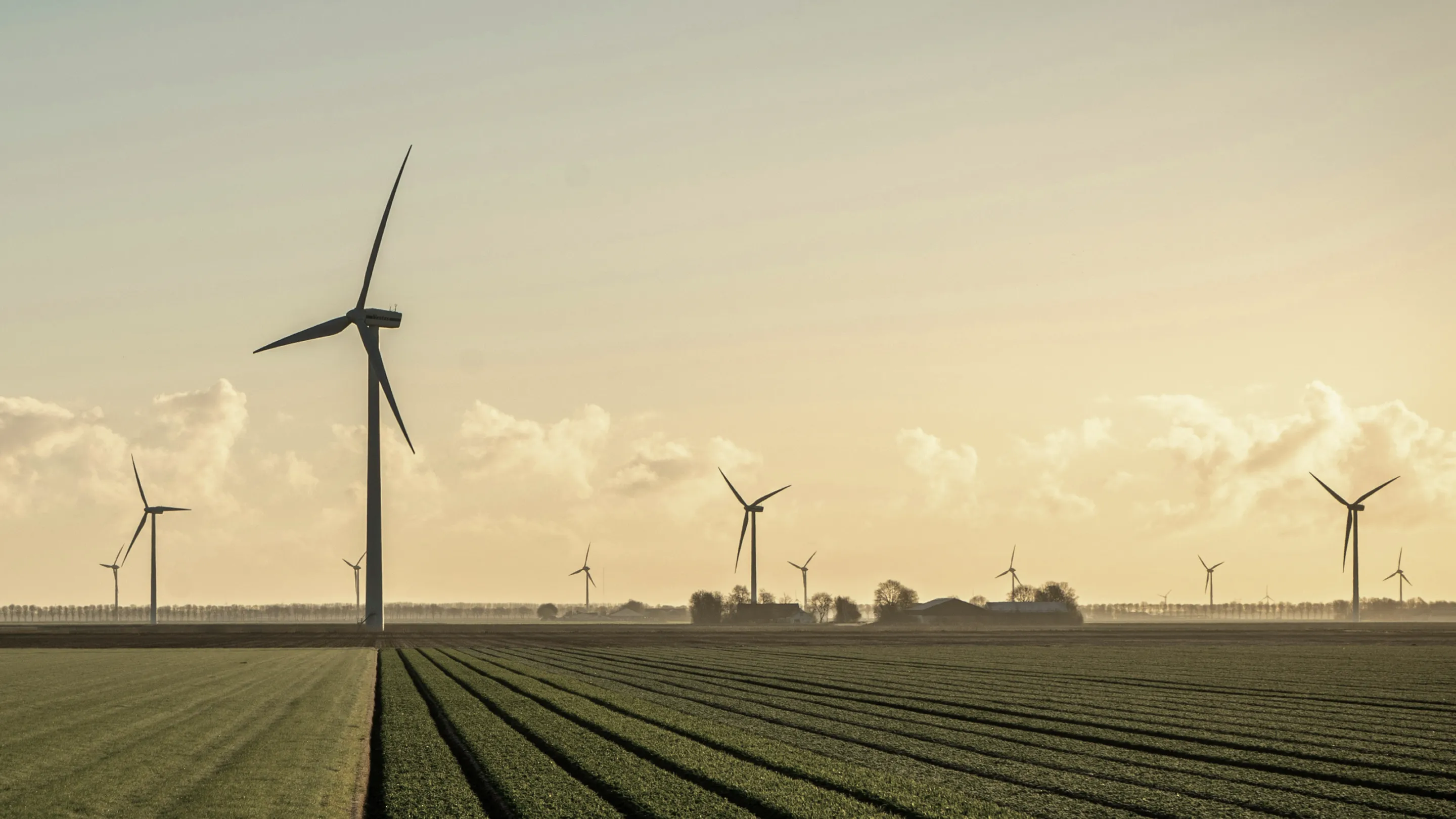
Global green building standards were written for temperate climates. The top construction companies in Pakistan have learned to adapt them to local conditions.
Cool roofs vs green roofs. In temperate countries, green roofs (planted roofs) are popular. In Pakistan's heat, green roofs are heavy, expensive to irrigate, and can leak. Top contractors instead use highly reflective cool roofs with white or light colored coatings. These roofs stay 30 degrees Celsius cooler than traditional dark roofs, slashing air conditioning loads at a fraction of the cost.
Local sustainable materials. Imported green materials are expensive. Leaders source local alternatives: bamboo from the north for scaffolding and finishes, compressed earth blocks from local soil, and recycled steel from demolished structures. They also work with local kilns to produce low‑carbon bricks using agricultural waste as fuel.
Passive cooling. Instead of relying entirely on air conditioners, green buildings in Pakistan incorporate traditional passive cooling features: wind catchers (badgirs), shaded courtyards, and high ceilings with ventilation openings. These features work without electricity and are well understood by local craftsmen.
Regulatory landscape. The Pakistan Green Building Council (PGBC) is promoting local certification systems alongside LEED. Some city governments now offer density bonuses or faster approvals for green projects. Top contractors stay updated on these incentives. The Pakistan Engineering Council also includes sustainability topics in its continuing education requirements.
Affordability. Many clients fear that green buildings are too expensive. Leading contractors respond by offering "green lite" packages: just the measures that pay back fastest, like LED lighting, efficient ACs, and solar water heaters. Once clients see the savings, they often add more features.
These adaptations make green building practical in Pakistan, not just theoretical. Contractors who ignore local realities waste money. Those who adapt win.
The top construction companies in Pakistan have moved beyond asking whether to build green. They are competing on how green. LEED certification, solar integration, water recycling, low‑carbon concrete, and passive cooling are no longer experimental. They are standard offerings for market leaders.
For clients, this is good news. Green buildings lower operating costs, improve worker productivity, and increase asset value. For contractors, it is a competitive necessity. Clients are starting to ask for sustainability credentials in bids. Firms that cannot deliver will lose work.
If you are planning a new project, ask your contractor about their green building experience. Request energy modeling, water savings estimates, and examples of past certified projects. The best contractors will gladly share this information because green building is a point of pride, not a burden.
To see how we incorporate sustainability into our work, explore our legacy of responsible construction. The shift to green is not coming. It is already here. Do not get left behind.

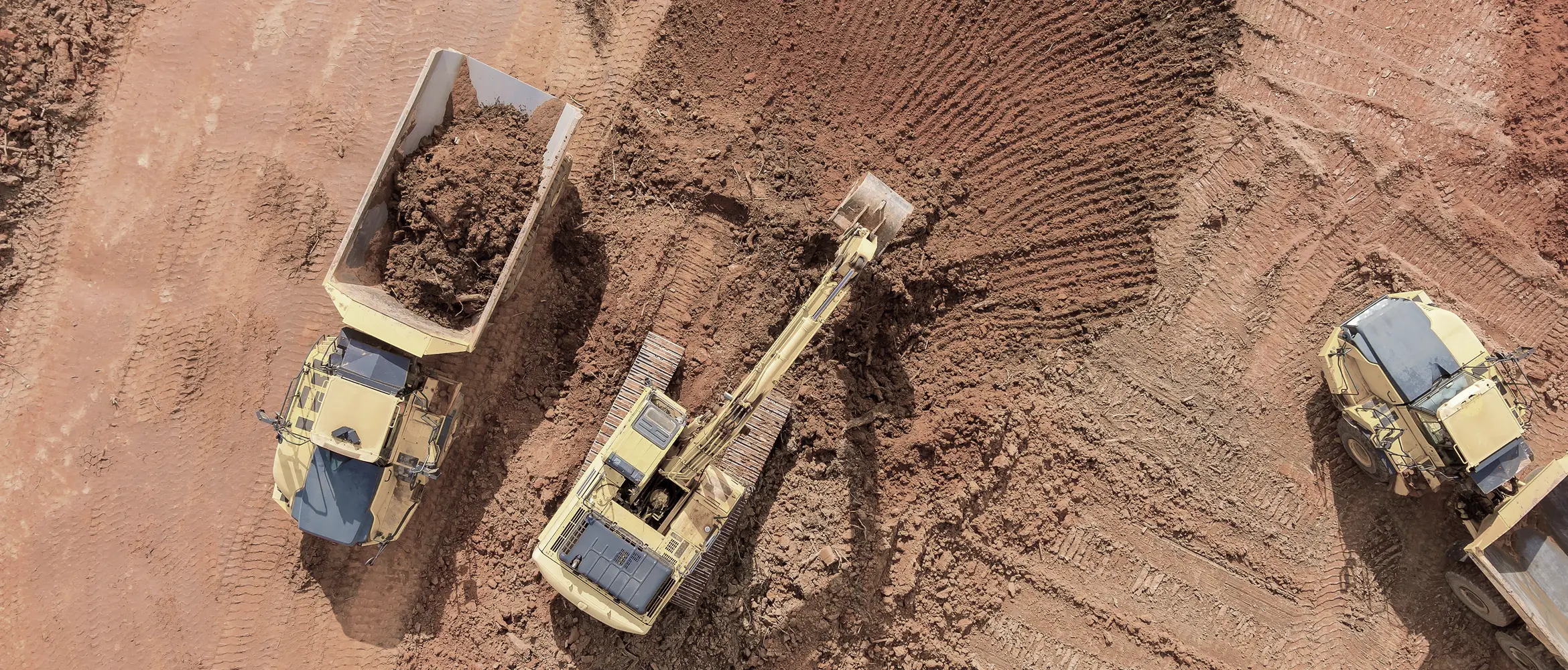
Who does what on a large construction site in Pakistan, covering project management, engineering, HSE, commercial, and support roles, and how the reporting lines connect.