



.webp)



What a Construction Company Profile Should Actually Contain
Read more


.webp)
Sustainability in construction is no longer a box to tick on a prequalification form. For leading construction companies delivering large-scale projects, it has become a genuine operational discipline, one that affects how projects are planned, how resources are managed, and how a contractor is evaluated by clients who increasingly hold environmental performance to the same standard as cost and schedule.
The challenge is that sustainability on a construction site is easy to claim and difficult to prove. Any firm can reference an ISO 14001 certificate or list green commitments in a tender document. What separates the top construction companies in the world from the rest is whether those commitments are visible in daily site behaviour, measurable across project outcomes, and embedded in how teams actually work.
This blog covers what genuine sustainability practice looks like on large construction projects, why it matters beyond regulatory compliance, and what it demands from the contractors who take it seriously.
The biggest construction companies in the world treat environmental responsibility as an operational function, not a communications exercise. The difference is visible in how they structure site management, how they measure environmental performance, and how they respond when site conditions create environmental risk.
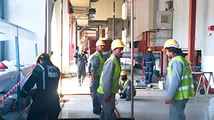
ISO 14001 certification means very little if the environmental management system behind it only exists in a filing cabinet. Leading construction firms integrate environmental controls into daily site routines. Waste segregation, water management, dust suppression, spill containment, and noise controls are part of the standard site setup, reviewed regularly and updated as site conditions change.
The biggest construction companies plan for resource efficiency before mobilisation, not after. Concrete volumes are optimised against actual design requirements. Water use for curing, dust suppression, and equipment washing is planned, monitored, and reduced through alternative methods where possible. Fuel consumption for heavy plant is tracked and managed. These are not afterthoughts. They are planned inputs that affect project cost as directly as they affect environmental performance.
Top construction companies set waste reduction targets at the project level and track them. Materials are ordered against verified quantities rather than rounded estimates. Off-cuts, formwork, and packaging waste are segregated and disposed of through documented channels. On large projects, the volume of waste generated is significant enough that disciplined management produces real cost savings alongside genuine environmental benefit.
On projects near water bodies, coastal land, or ecologically sensitive areas, leading construction firms deploy monitoring systems, piezometers, silt barriers, containment bunds, and regular water quality checks to ensure construction activity does not affect the surrounding environments. For internationally recognised standards on environmental management in construction, the Institution of Civil Engineers provides a useful reference framework.
.webp)
The real test of a leading construction company's environmental commitment is not on a well-serviced urban site with daily oversight. It is on remote, technically demanding projects where external checks are infrequent, and the temptation to cut corners is highest.
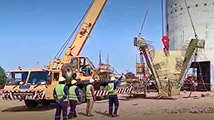
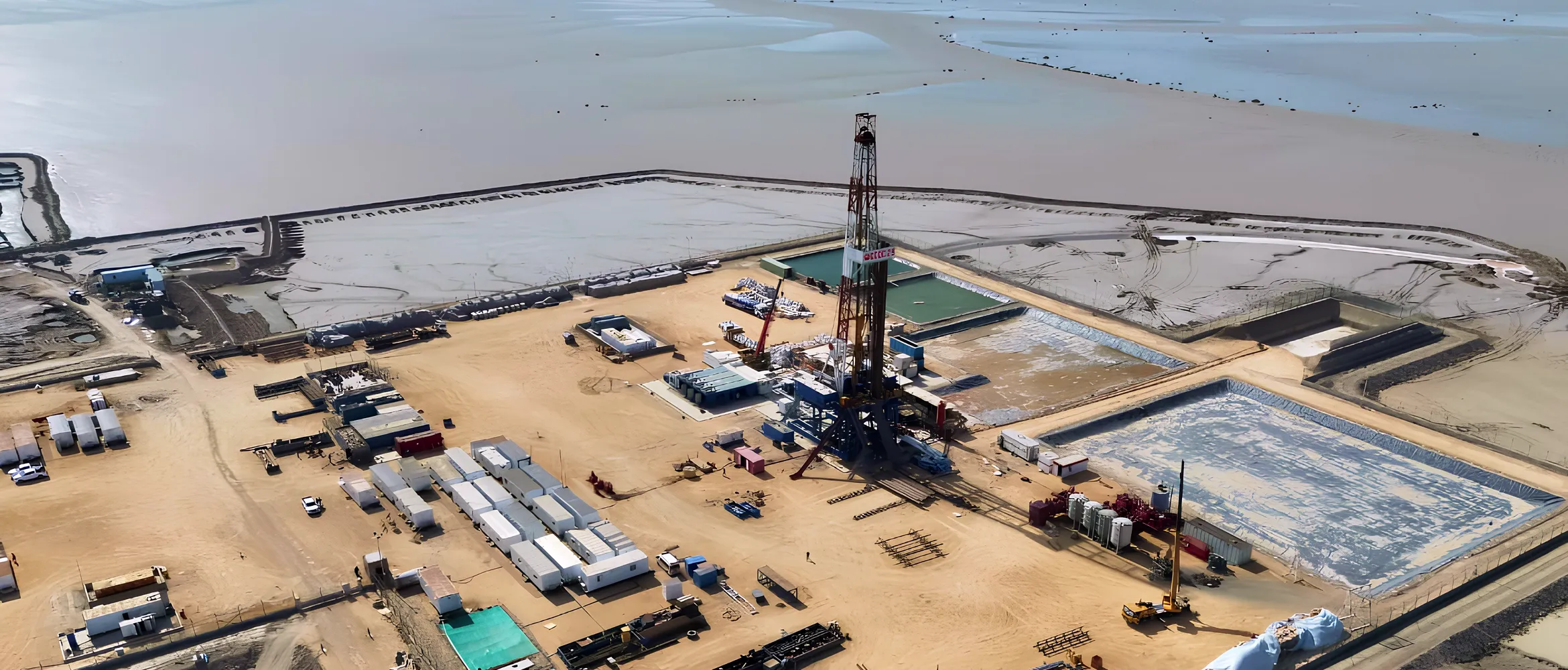
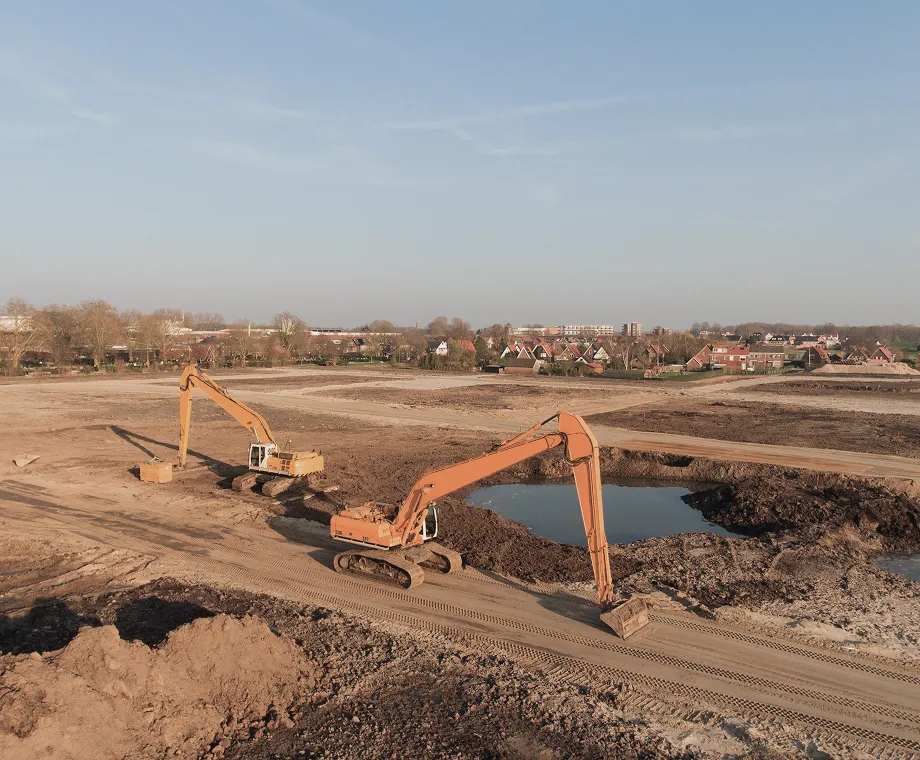
Executing civil and earthworks across dozens of well sites in the Thar Desert and Sindh's interior over multiple contract cycles means operating in ecologically fragile terrain with no municipal waste infrastructure, no established water supply, and no external environmental oversight beyond what the contractor brings. Camp facilities, fuel storage, drilling waste, and earthworks runoff all require active environmental management to avoid lasting damage to land that communities depend on.
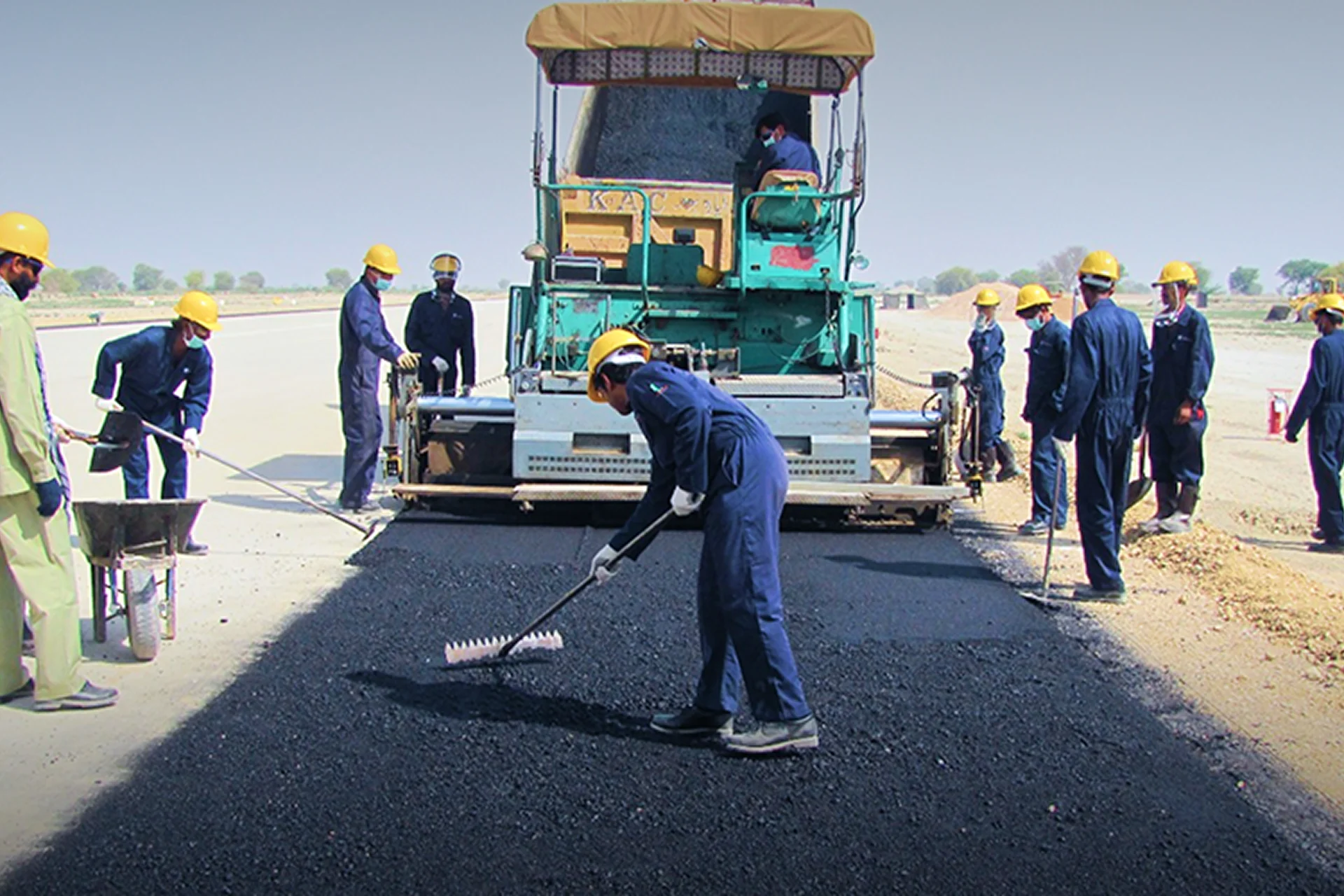
We have delivered projects in these conditions across more than 56 cities and remote sites throughout Pakistan, from Balochistan to Kashmir. The HSE systems and environmental controls that operate on a live port in Karachi must operate equally on a well site in Kadanwari or an airstrip in Dadu. That consistency is what ISO 14001 certification is meant to represent, and it is what we hold ourselves to across every project, regardless of how far from a city it sits.
On the 10 MWP Solar Photovoltaic Plant at Bhit, awarded on ENI's recommendation after a decade of work in the field, environmental sensitivity was built into the project from the start. The scope involved 5,045 pile installations across terrain that required careful management of surface disturbance, equipment movement, and site restoration. The project was completed within a three-month timeline with no environmental incidents. That outcome does not happen by accident. It happens because the planning included environmental controls from day one, not as an add-on after mobilisation.
Similarly, the Design-Build, Operate, and Maintain Sewage Treatment Plant at DHA Karachi represents a direct contribution to urban environmental health. A 2.0 MGD treatment facility, currently operated and maintained by our own engineers, processes sewage that would otherwise affect the local environment. That is sustainability expressed as infrastructure, not as a policy statement. For reference on sustainable infrastructure delivery standards, the World Bank's infrastructure sustainability resources provide relevant global benchmarks.
Pakistan's construction sector operates across some of the most environmentally varied terrain in Asia. Coastal reclaimed land, desert interiors, flood plains, mountain zones, and dense urban environments all present distinct environmental challenges that demand site-specific management, not generic green policies copied from a template.
The leading construction companies working in Pakistan's most demanding environments are the ones who treat environmental management as a technical discipline with the same rigour applied to structural design or HSE planning. Clients funded by international bodies, including USAID, JICA, KfW, and the World Bank, require documented environmental compliance as a contractual obligation. Contractors who have built genuine environmental management capability win those contracts and retain them across multiple cycles.
The contractors who will define Pakistan's infrastructure over the next two decades are the ones building this capability now, on the projects they have today, in the conditions that test it most.
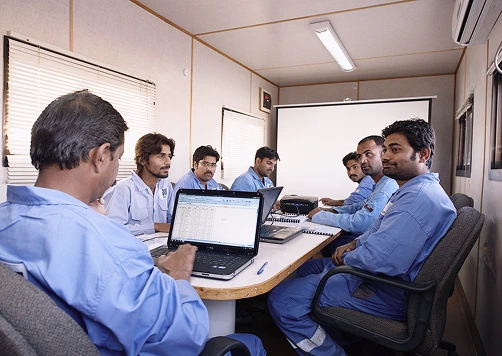
The leading construction companies in the world do not have a sustainability department that operates independently of the project team. They have project teams where environmental responsibility is owned by everyone, from the site engineer conducting a morning hazard review to the project director signing off on a waste disposal record.
That integration is what makes the difference between a certificate and a culture. And it is the standard that large-scale construction in Pakistan, and globally, is moving toward, whether the sector is ready for it or not.
The projects being built today will be in use for fifty years. How they were built will matter for just as long.

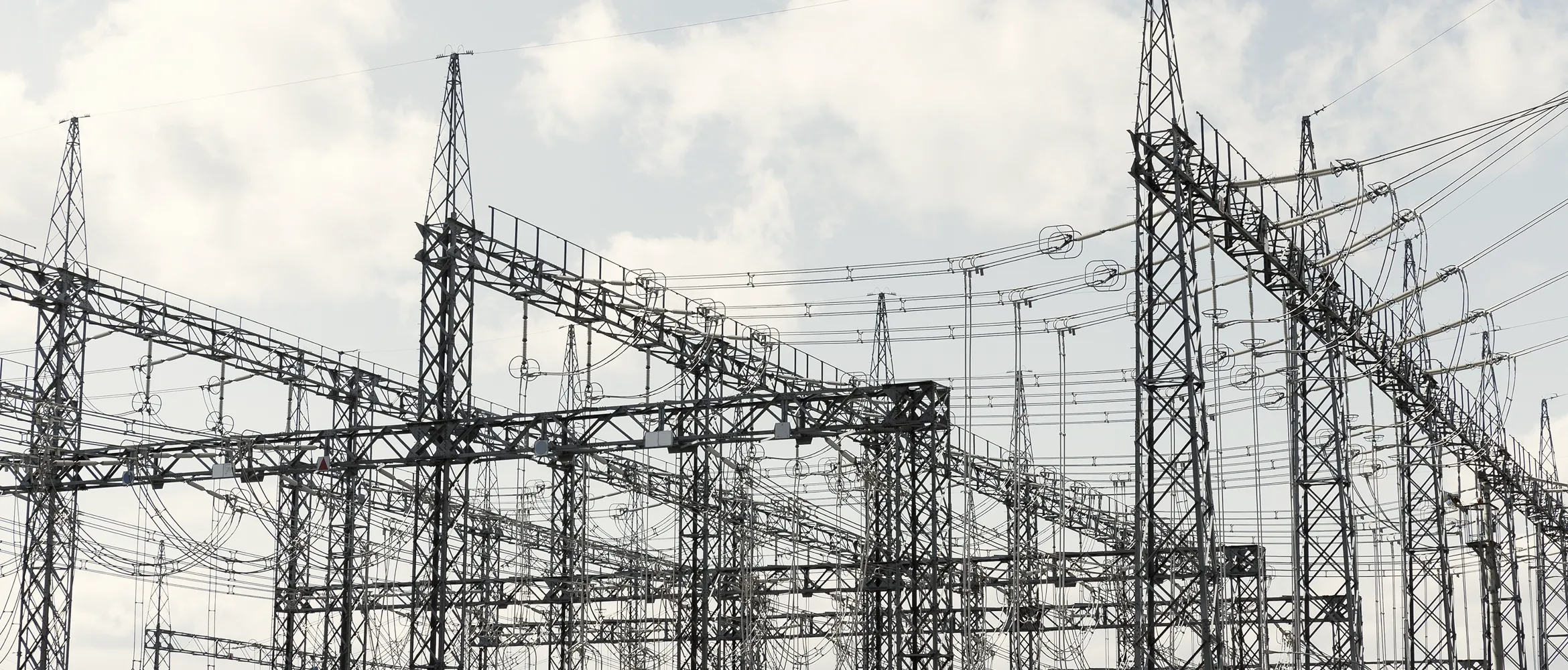
What the civil scope on a grid station covers in Pakistan, why tolerances are tighter than most building work, and where these projects typically run into trouble.