






.webp)






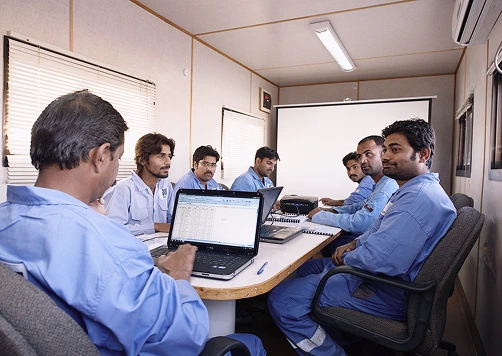

What a Construction Company Profile Should Actually Contain
Read more



Construction has traditionally been slow to adopt new technology. Paper drawings, manual surveys, and handwritten reports are still common on many sites. But the top construction companies in Pakistan are changing that. They are investing in emerging technologies that were unthinkable just a few years ago: artificial intelligence, robotics, and machine learning.
The shift is driven by necessity. Clients demand faster delivery, tighter budgets, and better quality. The leading contractors in Pakistan are using technology to meet these demands while improving safety and reducing waste. Contractors who ignore these trends risk being left behind.
This blog explores the emerging technologies shaping the future of construction in Pakistan. You will learn how AI is improving project planning, how robotics are automating repetitive tasks, and how machine learning is optimising resource allocation. The Project Management Institute (PMI) has identified AI and automation as key trends in construction, and top contractors are already implementing these solutions. Visit AMCORP's homepage to learn more about our approach to innovation and technology adoption.
The top construction companies in Pakistan are adopting technology for three main reasons. Understanding these drivers helps you see why the shift is happening now.
Client expectations. Project owners are more sophisticated than ever. They ask for real-time progress updates, detailed digital models, and accurate cost forecasts. Contractors using technology can provide these. Those still relying on paper cannot compete. The World Bank has noted that infrastructure clients in developing countries are increasingly demanding technology-driven delivery.
Cost pressure. Construction margins are thin. Every inefficiency cuts into profit. Technology helps contractors reduce waste, improve productivity, and avoid rework. For example, BIM (Building Information Modelling) can detect design clashes before construction starts, saving millions in change orders. For more on how leading contractors in Pakistan use digital tools to accelerate projects, read our article on project acceleration techniques.
Labour shortages. Skilled labour is scarce and expensive. Technology reduces reliance on manual labour. Drones replace surveyors for stockpile measurements. Robotic total stations automate layout. Machine learning algorithms optimise crew schedules. The International Labour Organization (ILO) has published reports on how construction technology is reshaping labour markets globally.
These drivers are not temporary. They are structural shifts. The best construction companies in Pakistan are investing in technology now to secure their future. For more on how digital tools are reshaping the industry, read our article on digital transformation.
The top construction companies in Pakistan are exploring several emerging technologies. Here are the most impactful ones.
These technologies are not replacements for skilled engineers. They are tools that enhance human capability. The top construction companies in Pakistan understand this. They use technology to empower their teams, not replace them. For more on how leading contractors balance innovation with quality, read our article on risk management strategies.
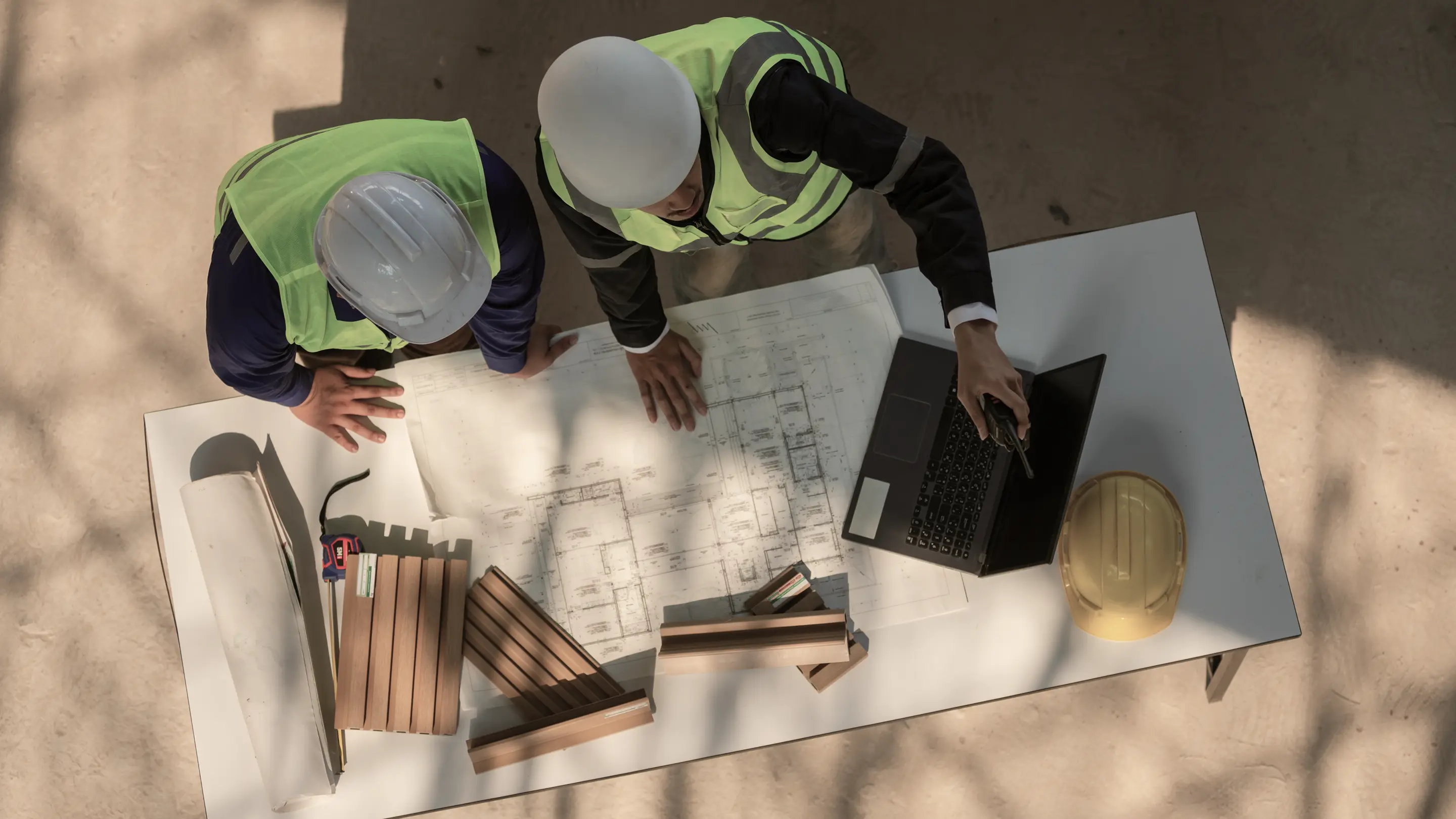
Adopting emerging technology in Pakistan is not without challenges. The best construction companies in Pakistan have developed practical solutions.
Challenge 1: High initial investment. Emerging technologies like AI software, robotics, and digital twins cost money. Many smaller contractors cannot afford them. Leading contractors overcome this by starting small. They pilot a single technology on one project, demonstrate ROI, then scale up. Some also partner with technology providers to share costs.
Challenge 2: Limited local expertise. AI, robotics, and machine learning require specialised skills. These are scarce in Pakistan's construction industry. Leading contractors invest in training programmes and partner with universities like NED and UET. They also hire technology specialists from other industries. Our career development programmes include training in digital tools and emerging technologies.
Challenge 3: Resistance to change. Many site engineers and managers are comfortable with traditional methods. They see technology as a threat or a distraction. Leading contractors overcome this by demonstrating tangible benefits. When a robotic total station completes a survey in 20 minutes instead of 2 hours, scepticism disappears. Change management is a key part of technology adoption. For more on how leading contractors manage change, read our article on what sets leading contractors apart.
Challenge 4: Infrastructure limitations. AI and machine learning require reliable internet and data storage. Some remote sites lack connectivity. Leading contractors use edge computing, where data is processed on-site, and sync to the cloud when connection is available. They also use offline‑sync apps.
Challenge 5: Integration with existing systems. New technology must work with existing software and workflows. Leading contractors choose platforms that are compatible with BIM,
scheduling tools, and reporting systems. They also customise solutions for their specific needs.
The leading contractors in Pakistan treat these challenges as opportunities to innovate. They invest in training, partner with universities, and build internal digital teams. For more on how leading contractors approach innovation, read our article on client satisfaction and innovation.

Emerging technologies are transforming construction globally. The top construction companies in Pakistan are not waiting for the future. They are building it now. AI is improving project planning. Robotics is automating repetitive tasks. Machine learning is optimising resources. Digital twins are enabling real‑time monitoring. 3D printing is opening new possibilities.
For project owners, the message is clear. Ask contractors about their technology adoption. Do they use AI for scheduling? Do they use robotics for surveying? Do they have digital twin capabilities? The answers will reveal whether your contractor is building for the future or stuck in the past.
For contractors, the message is equally clear. Invest in emerging technology now. Start with a pilot project. Train your teams. Partner with universities. The contractors who lead on technology will win the projects of tomorrow.
To see how AMCORP is integrating emerging technologies into its projects, explore our portfolio of EPC projects and our infrastructure works. The future of construction is digital, and it is already here.

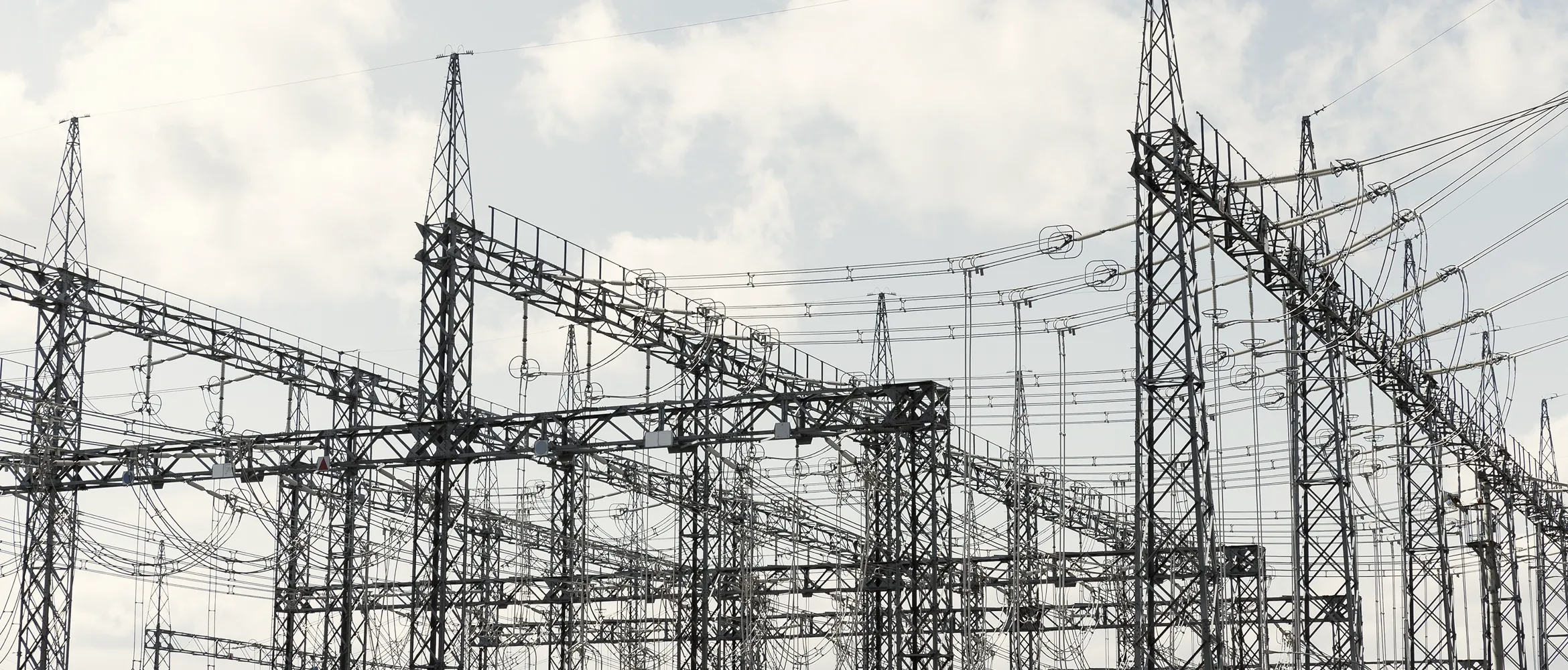
What the civil scope on a grid station covers in Pakistan, why tolerances are tighter than most building work, and where these projects typically run into trouble.