






.webp)



Precast Roof in Pakistan: Where It Works and Where It Does Not
Read more


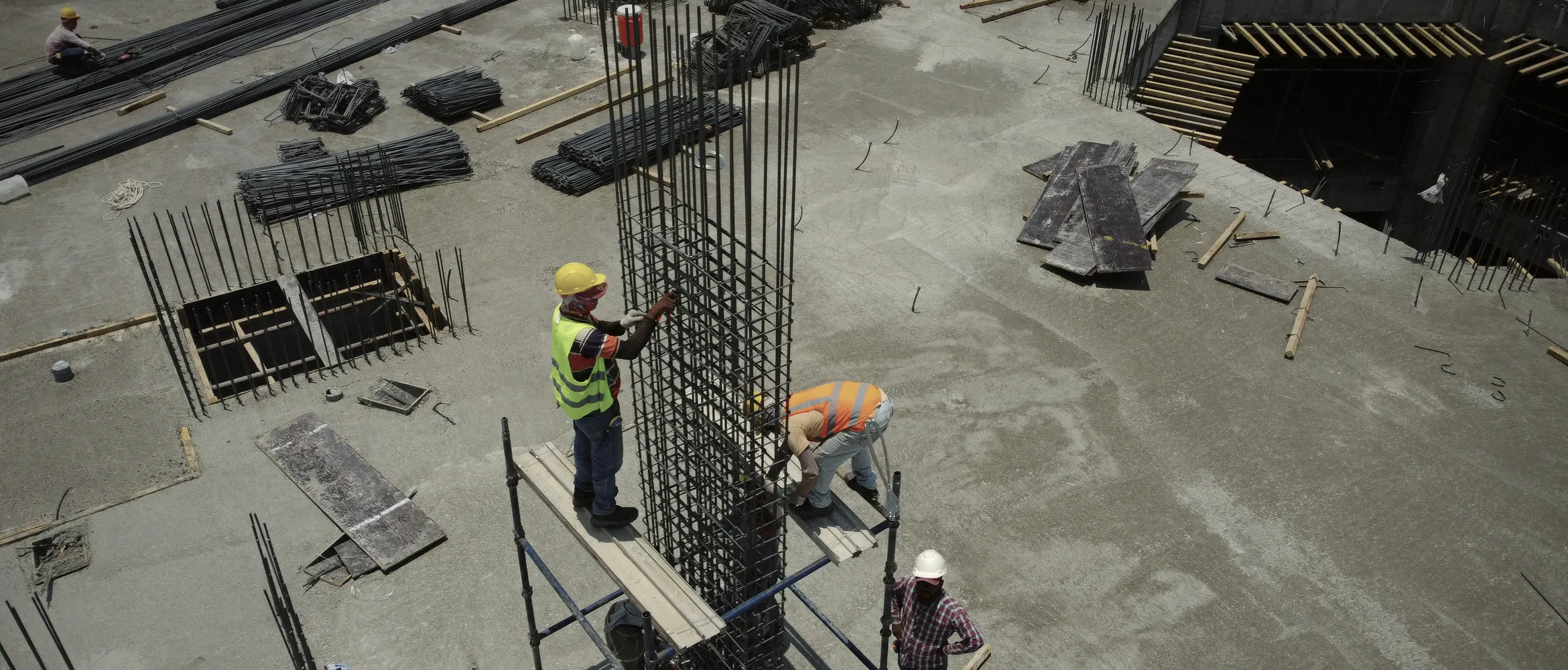
Pakistan’s construction industry has no shortage of contractors. Walk through any growing city from Karachi to Islamabad, and you will see new buildings, roads, and industrial zones taking shape. But not every contractor finishes what they start. Delays, quality issues, and safety lapses are common complaints from project owners.
So what makes the difference? The leading contractors in Pakistan operate differently. They do not just rely on having more machines or a bigger workforce. They build systems that work even when things go wrong. They protect their reputation by delivering on promises. And they keep clients coming back because they understand that a project’s success depends on more than concrete and steel. Visit AMCORP's homepage to see how one such contractor approaches this philosophy.
In this blog, we will break down the key differentiators of leading contractors in Pakistan. You will learn how market leaders build trust, manage complex project portfolios, and maintain safety records that others struggle to match.
The term "leading" is not about size alone. A contractor can have hundreds of employees but still fail at basic project management. The leading contractors in Pakistan earn that status through three core pillars: reputation, project portfolio depth, and financial stability.
Reputation takes years to build. It comes from completing projects on time, handling changes professionally, and fixing problems without excuses. Market leaders understand that one bad project can undo a decade of good work. So they invest in project controls, quality assurance, and client communication. According to the Pakistan Engineering Council (PEC), contractor grading is heavily influenced by past performance and client feedback, which directly impacts reputation.
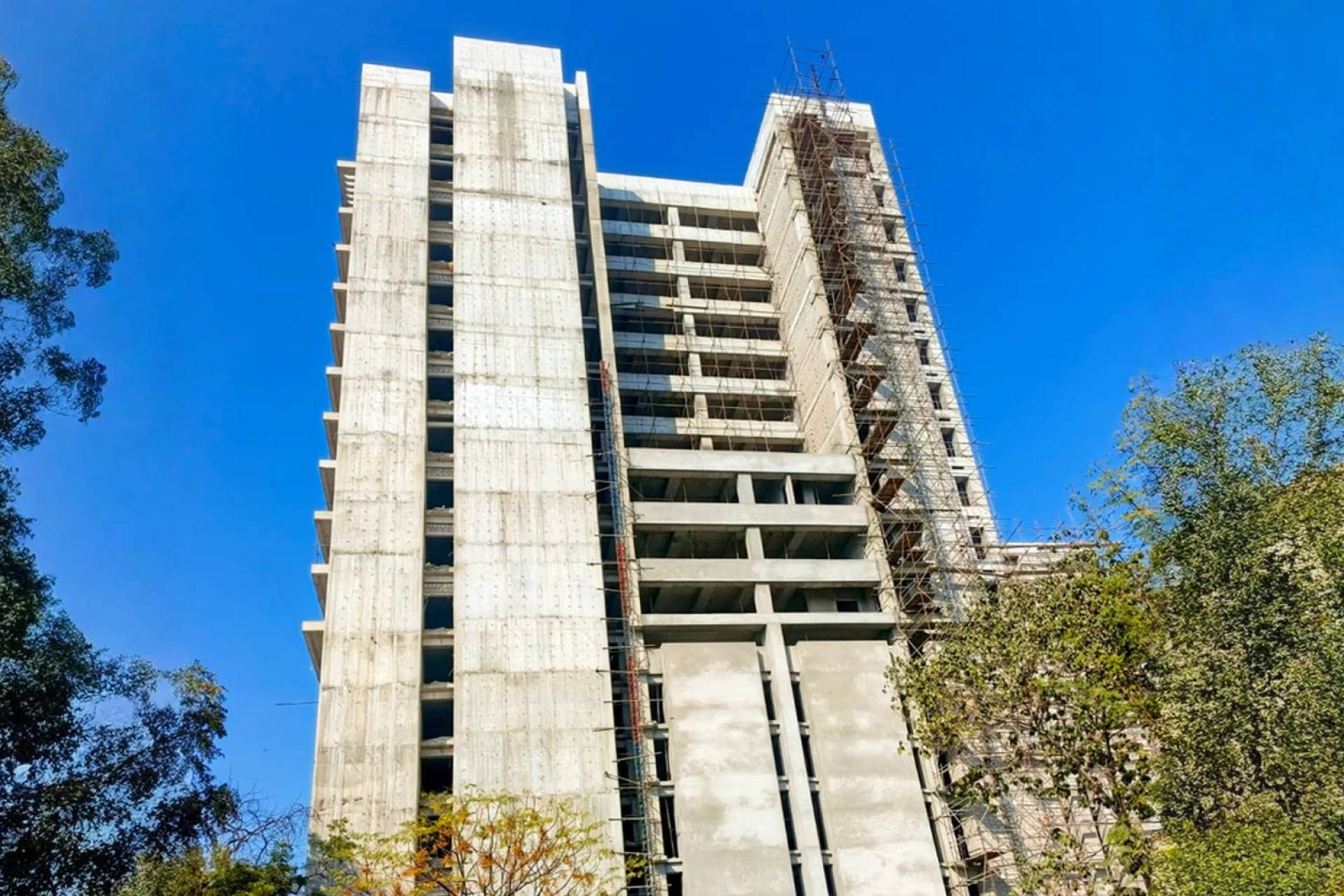
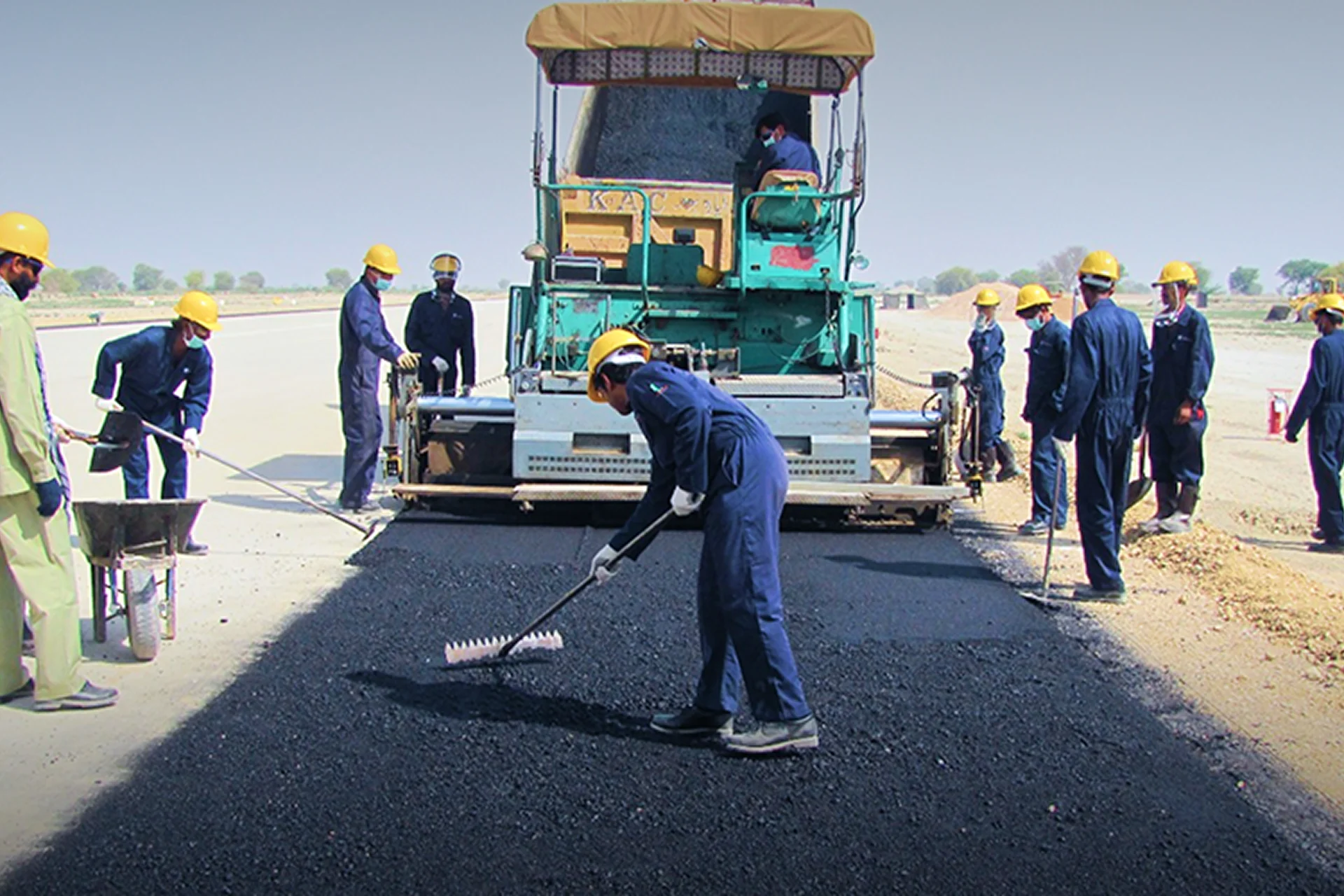
A project portfolio tells you what a contractor can actually do. Look beyond the number of projects. Ask about complexity. Has the contractor built a power plant? A port expansion? A hospital? The leading contractors in Pakistan typically have diversified portfolios that include industrial, infrastructure, and commercial work. This diversity proves they can handle different technical challenges, from deep foundations to high-rise steel structures.
Financial stability matters more than most people realize. A contractor who cannot manage cash flow will cut corners. They delay paying suppliers, which delays material delivery. They stretch subcontractors thin. Eventually, your project suffers. Leading contractors maintain strong banking relationships and healthy working capital. They do not chase every low bid because they do not need to.
On‑time delivery in Pakistan is rare. Between utility approvals, material supply chains, and security clearances, delays seem inevitable. Yet the leading contractors in Pakistan consistently finish within agreed timelines. How do they do it?
First, they plan backwards. Instead of guessing a completion date, they map every activity from the finish line back to day one. They identify long lead items like imported steel or specialized equipment months in advance. For example, in our EPC projects, planning begins before ground is broken. Each milestone has a buffer. Each subcontractor knows their window. International standards from FIDIC emphasize this type of backwards scheduling as a best practice for complex contracts.
Second, they communicate daily. Delays do not kill projects; hidden delays do. Leading contractors hold short daily coordination meetings. They track progress in hours, not weeks. If a concrete pour is delayed by two hours, they adjust the next shift immediately. This real‑time response is only possible with experienced supervisors who have the authority to make decisions.
Client retention follows naturally from reliability. A project owner who experiences one on‑time, on‑budget project will call the same contractor again. Look at our portfolio of structural building projects. Many of those clients have worked with us on multiple sites. That repeat business is the ultimate proof of trust. Leading contractors do not chase one‑off jobs. They build long-term relationships by showing up and delivering, project after project.
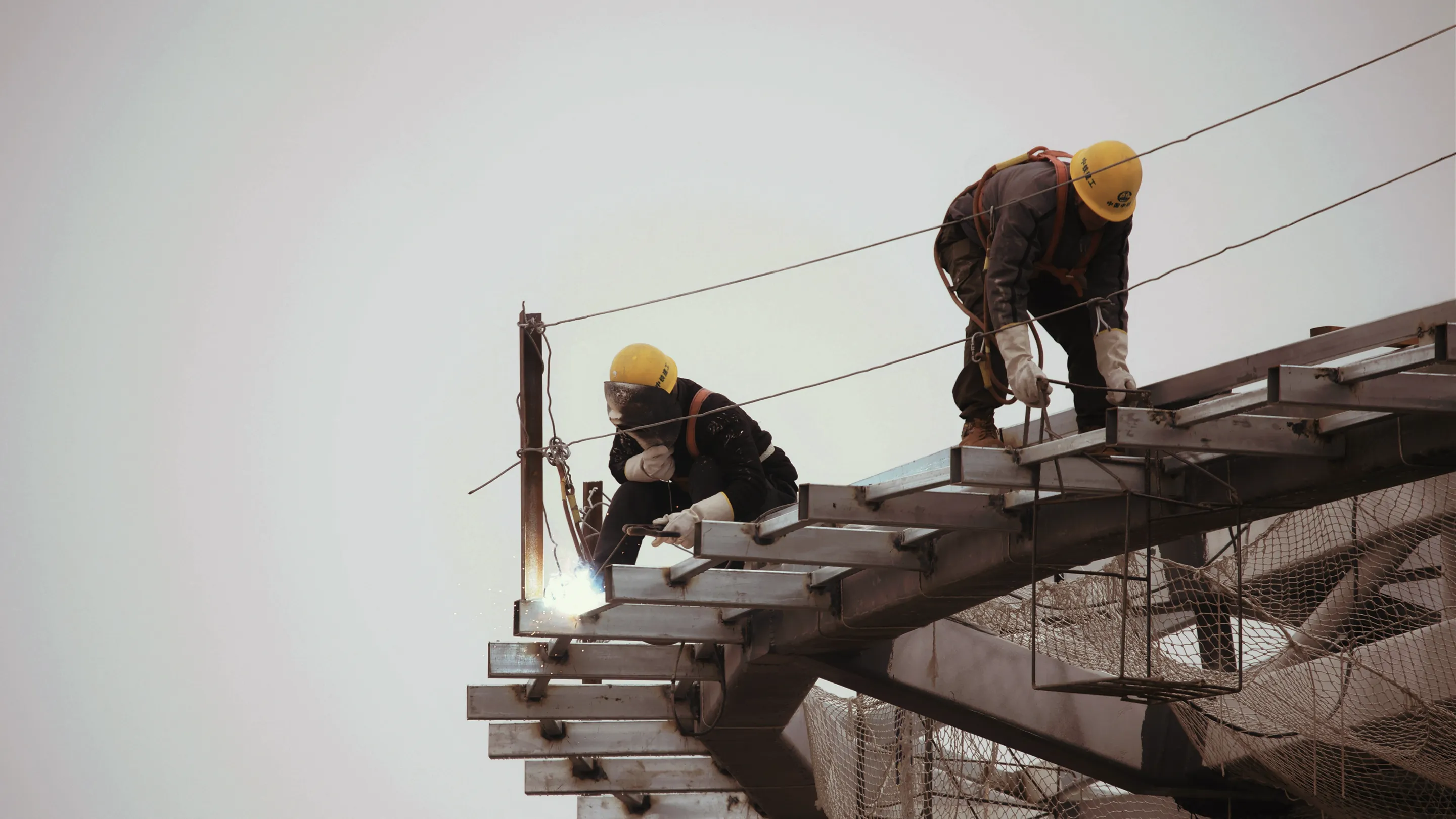
Operating in Pakistan is not the same as operating in Dubai or Singapore. The leading contractors in Pakistan face unique hurdles: fluctuating utility connections, delayed government approvals, security concerns in certain regions, and a supply chain that can break without warning.
What sets market leaders apart is how they adapt. For instance, leading contractors maintain suppliers for critical materials. If one cement plant goes offline, they already have a second source approved. They also invest in on‑site power generation and water storage so that a grid failure does not stop work.
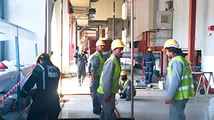
Safety record is another differentiator. In Pakistan, safety is often treated as paperwork rather than practice. But leading contractors know that one serious accident stops a project for weeks. They implement daily toolbox talks, regular equipment inspections, and clear reporting systems. Our safety approach is built into every shift, not just posters on the wall. As a result, leading contractors achieve safety milestones like 1.3 million safe man‑hours on large projects such as the QICT berth expansion.
Client retention in Pakistan also depends on how a contractor handles payments. Delayed client payments are common. Leading contractors manage this by maintaining financial buffers and transparent invoicing. They do not stop work without notice. Instead, they communicate early and find solutions. That professionalism builds a reputation over time. And in a market where word of mouth still drives most decisions, reputation is everything. Global guidance from the World Bank on procurement highlights that transparent payment handling is a mark of a mature contractor.
Choosing a contractor is one of the most important decisions you will make. The difference between a market leader and an average player is not just cost. It is the difference between sleeping well at night and constantly putting out fires.
The leading contractors in Pakistan earn their position through consistent delivery, diversified project portfolios, ironclad safety records, and a reputation that brings clients back. They do not promise what they cannot deliver. They plan thoroughly, communicate constantly, and adapt to Pakistan’s unique challenges without making excuses.
So when you evaluate contractors for your next project, look past the glossy brochures. Ask for specific examples of on‑time delivery. Check their safety numbers. Talk to past clients. And see if their portfolio includes projects similar to yours. The right partner will not just build your structure. They will protect your investment, your timeline, and your peace of mind.
If you are planning a large industrial or infrastructure project, take time to understand what separates the leaders from the rest. Your project deserves nothing less.


Construction companies in Pakistan rarely fail because of bad building work. They fail due to cash flow gaps, underbidding, weak contracts, and overextension during growth.