




.webp)







Construction Company, Contractor, or Developer: What Each One Actually Means
Read more


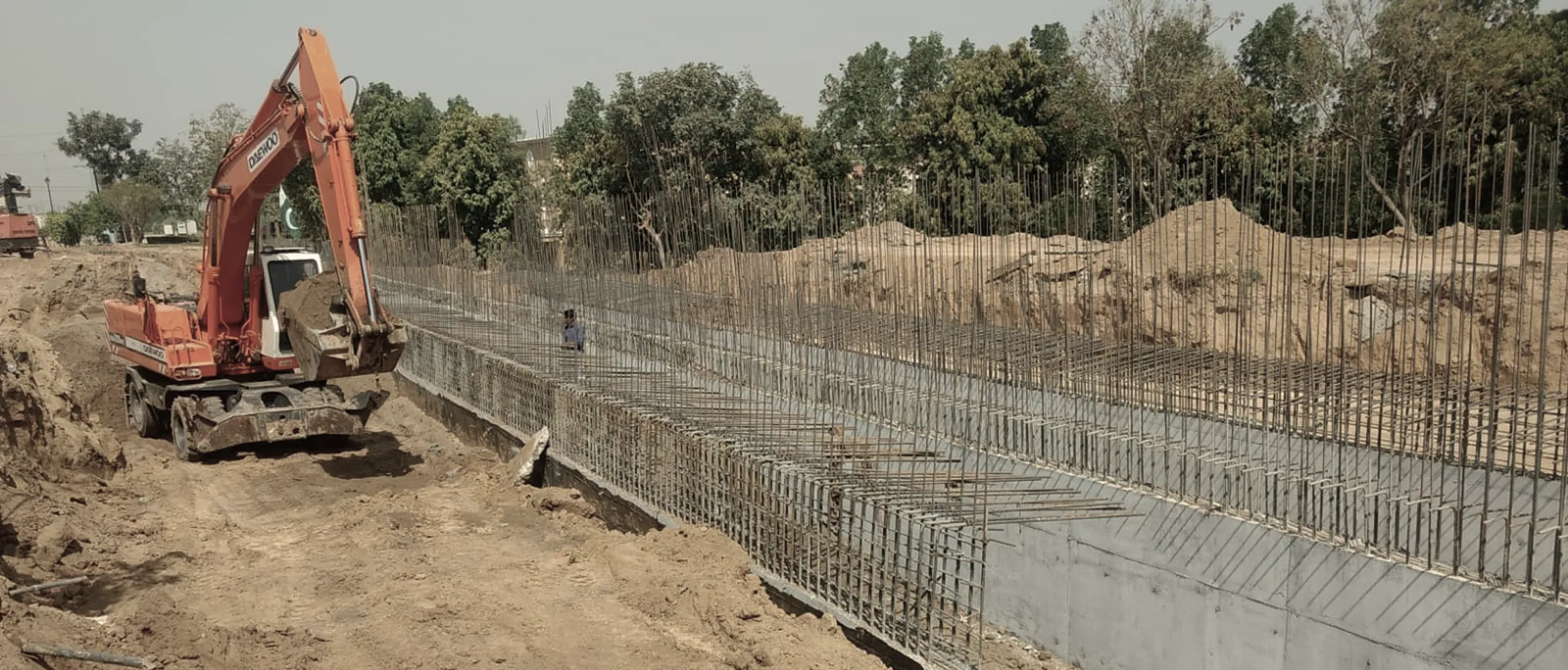
Mega‑projects are a different beast. A small housing scheme might tolerate a few months of delay. A port expansion, a power plant, or a motorway cannot. Every day of delay costs millions of rupees in lost revenue, idle equipment, and angry stakeholders. Yet in Pakistan, cost overruns and schedule slips are so common that many clients expect them.
But not all contractors fail. The leading contractors in Pakistan have figured out how to finish mega‑projects on time and on budget, even with the country's unique challenges. They do not rely on luck or heroics. They use proven project management techniques that anyone can learn.
This blog explains the core methods these top contractors use: the critical path method, resource levelling, and risk registers. You will see how these tools work in real projects and how they are adapted to Pakistan's environment. Whether you are a project manager, a client, or someone who wants to join a top contractor, this information will change how you think about large-scale construction. For a broader look at what makes a contractor excellent, visit AMCORP's homepage.
The leading contractors in Pakistan rely on three fundamental project management techniques. They are not secret. They are taught in engineering schools. But using them consistently and correctly is what separates market leaders from the rest.
1. Critical Path Method (CPM). The critical path is the longest sequence of dependent activities in a project. Any delay on this path delays the entire project. Top contractors map out every activity, from foundation excavation to final electrical testing. They identify which tasks are on the critical path and which have float (slack). Then they focus their best resources on the critical path. For example, in a power plant, pouring the turbine foundation might be on the critical path. Installing landscaping is not. So they pour the foundation first and worry about the grass later. The Project Management Institute (PMI) provides global standards for CPM that leading Pakistani contractors follow.
2. Resource levelling. Resources are limited. You cannot have the same crane in two places at once. Resource levelling is the process of adjusting start and finish dates to prevent overallocation. Leading contractors use software to smooth demand. If the critical path needs a tower crane for two weeks, they delay non‑critical work that also needs that crane. This prevents bottlenecks and idle time. Our tools and machinery page shows the kind of equipment inventory that allows effective levelling.
3. Risk register. A risk register is a living document that lists every possible thing that could go wrong, from a cement shortage to a labour strike. For each risk, the contractor assigns a probability, an impact score, and a mitigation plan. Leading contractors update their risk registers weekly. When a risk becomes real, they already have a plan. For instance, a contractor building near the coastline might register "monsoon flooding" as a high risk. The mitigation plan could include pre‑positioning pumps and sandbags. When the rain comes, they do not panic. They execute the plan.
These three techniques are not theoretical. They are used daily on projects like the QICT port expansion and other mega‑projects across Pakistan. Contractors who skip them almost always run into trouble.
Let us walk through a realistic scenario. A leading contractor in Pakistan is hired to build a 50-kilometer section of a new motorway in Punjab. The contract value is PKR 15 billion. The deadline is 24 months. Here is how they apply CPM, resource levelling, and risk registers.
Step 1: Build the network diagram. The planning team lists every activity: land acquisition, surveying, earthwork, subbase, base course, asphalt paving, bridges, culverts, signage, and safety barriers. They estimate durations and dependencies. The critical path turns out to be earthwork followed by base course followed by asphalt paving. Bridge construction has some float because it can proceed in parallel.
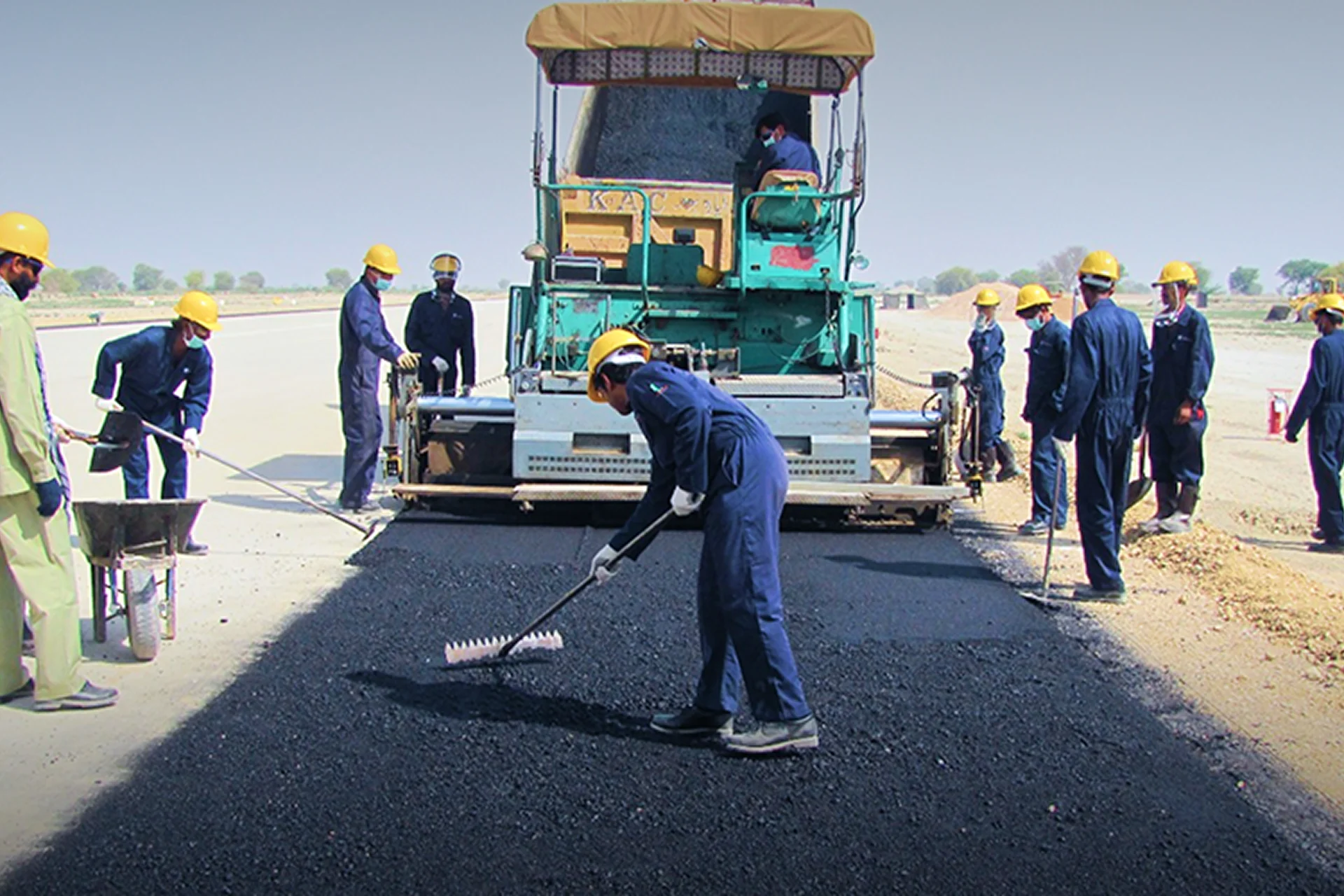
Step 2: Level the resources. The contractor has only three asphalt pavers. The schedule initially shows all five paving sections starting at once. That is impossible. So they level by staggering the start dates. The critical path remains continuous, but non‑critical activities shift. The result is a feasible schedule with no resource conflicts.
Step 3: Populate the risk register. The team lists 40 risks. Top three: delayed land acquisition (high probability, high impact), fuel price hikes (medium, high), and security incidents in one district (low, high). For land acquisition, the mitigation is to start preliminary work on already acquired parcels and assign a full-time liaison officer to the remaining plots. For fuel, they negotiate a fixed price contract with a supplier. For security, they coordinate with local police and hire private guards.
Step 4: Monitor and update weekly. Every Monday, the project manager reviews progress against the critical path. If earthwork falls behind by three days, they add a night shift to catch up. The risk register is reviewed. If fuel prices actually spike, they trigger the fixed price contract. If a security incident occurs, they implement the evacuation plan.
This systematic approach is why leading contractors in Pakistan finish on time while others fail. They do not react to problems; they anticipate them. Our safety and quality systems follow the same proactive philosophy.
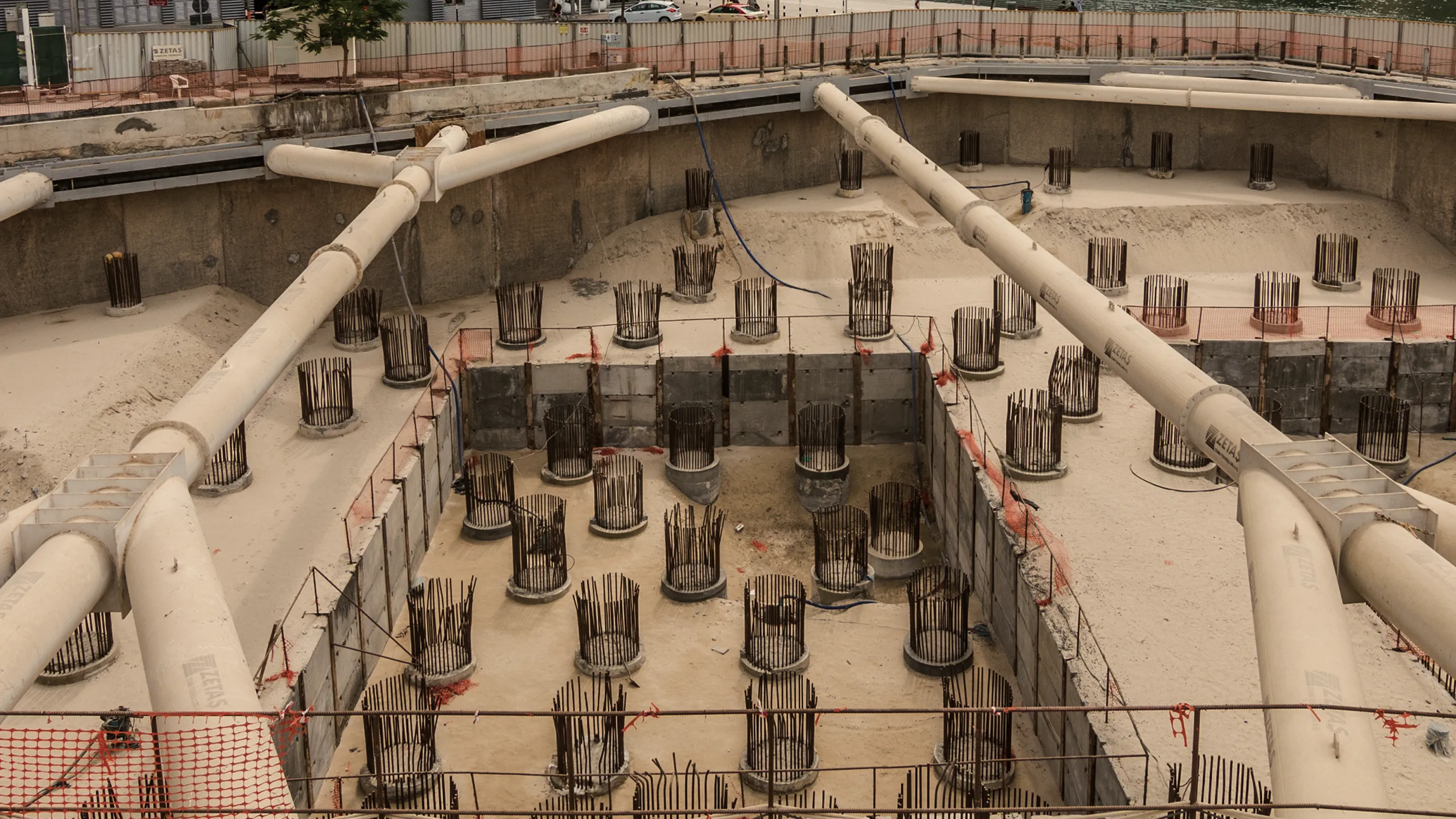
Global techniques work, but Pakistan adds unique wrinkles. Here is how the leading contractors in Pakistan adapt.
Utility delays. Top contractors install on‑site generators and water tanks before starting critical path activities. They also assign a dedicated approvals officer to chase NOCs.
Currency fluctuation. They negotiate price escalation clauses and hedge by buying key materials in advance through fixed price agreements. The Pakistan Engineering Council provides guidance on inflation clauses.
Security in certain regions. For projects in Balochistan or KP, leading contractors hire licensed security firms, coordinate with police, and build checkpoints into the site layout. The risk register includes evacuation plans.
Labour skill gaps. Skilled welders and operators are scarce. Leading contractors maintain training programs and use resource levelling to avoid peak demand for rare skills. Our career development reflects this commitment.
Payment delays from clients. This is very common. Leading contractors maintain cash reserves, use monthly progress billing, and keep "client payment delay" in the risk register with formal notice procedures. This financial discipline keeps them alive when others go bankrupt.
Global techniques work, but only when adapted. Contractors who copy international templates blindly fail. Those who customize succeed.
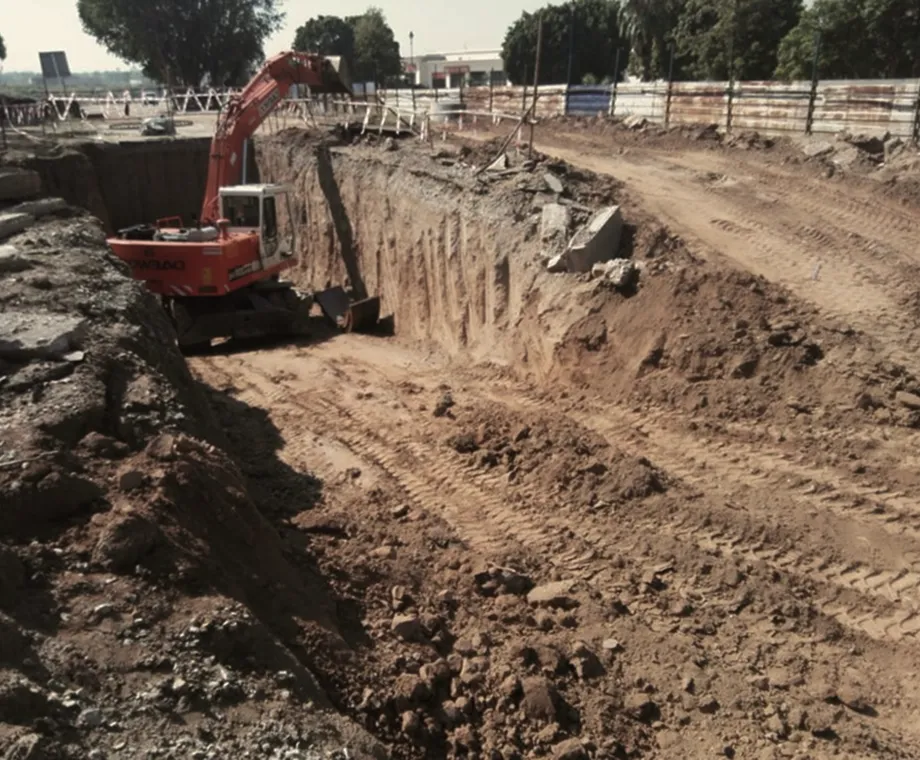
The leading contractors in Pakistan mastered CPM, resource levelling, and risk registers. Then they adapted these techniques to local challenges: utility delays, currency risk, security, labour gaps, and late payments.
You do not need to be a mega‑contractor to use these methods. Small firms can start with a whiteboard CPM, a basic resource spreadsheet, and a one-page risk register. Review your critical path daily. Level resources weekly. Update risks monthly.
For clients, these techniques give you a checklist. Ask to see the contractor's critical path and risk register. If they cannot produce them, keep looking. The best contractors welcome your questions. To see how we apply these methods, explore our infrastructure portfolio.
Mega‑projects do not have to be late or over budget. The tools exist. The leading contractors use them. Now you know how.


Who does what on a large construction site in Pakistan, covering project management, engineering, HSE, commercial, and support roles, and how the reporting lines connect.