



.webp)


What a Construction Company Profile Should Actually Contain
Read more


A construction site can be dangerous. Falls from height, struck by equipment, electrocution, and trench collapses are real risks. In Pakistan, many contractors treat safety as paperwork, not practice. Accidents happen, projects stop, and workers suffer.
But not all contractors operate that way. The leading contractors in Pakistan have achieved remarkable safety records: millions of man‑hours without a single lost‑time injury. They prove that zero accidents is possible, even on complex mega‑projects. How do they do it? Through systematic safety audits, a strong safety culture, and daily discipline.
This blog explains the key elements of their approach: regular safety audits, proper PPE, toolbox talks, hazard identification, and near‑miss reporting. You will learn practical steps to improve safety on your own projects. For an overview of AMCORP's safety philosophy, visit AMCORP's homepage.
The leading contractors in Pakistan do not rely on luck. They build safety into every phase of work. Here are the essential components.
1. Regular safety audits. An audit is a systematic inspection of the site, equipment, and behaviours. It is not a one‑time event. Leading contractors conduct daily walkthroughs by supervisors, weekly audits by safety officers, and monthly audits by management. Audits check for hazards like unguarded openings, faulty electrical cables, missing handrails, and improper storage. Findings are logged, assigned to a person, and tracked to closure. The Occupational Safety and Health Administration (OSHA) provides audit checklists that can be adapted.
2. Proper PPE (Personal Protective Equipment). Hard hats, safety boots, high‑visibility vests, gloves, and harnesses are non‑negotiable. Leading contractors provide PPE free of charge and enforce its use.
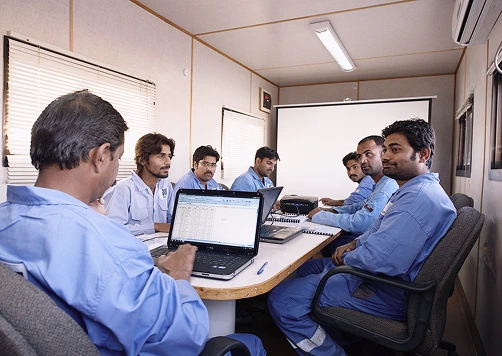
3. Daily toolbox talks. Every morning, before work begins, the supervisor gathers the crew for a 10‑minute talk. They discuss the specific tasks for the day, the associated hazards, and the controls. Our safety approach includes a library of talk topics.
4. Hazard identification and risk assessment (HIRA). Before any new activity starts, the team identifies potential hazards and assesses their risk level. For a high‑risk task like crane lifting, a separate lift plan is written and approved. For lower risk tasks, a simple checklist may suffice.
5. Near‑miss reporting. A near‑miss is an incident that could have caused injury but did not. For example, a tool falls from a height and lands next to a worker. Leading contractors encourage reporting near‑misses without fear of blame. Each near‑miss is investigated to find the root cause and prevent a future accident. This proactive approach is far cheaper than reacting to a fatality.
These five elements work together. The leading contractors in Pakistan apply all five, not just a selection.
The leading contractors in Pakistan have achieved measurable results. Here are two real examples from AMCORP's track record.
QICT port expansion - 1.3 million safe man‑hours. This major project at Karachi port involved heavy civil works, deep excavations, and large crane lifts. The safety team conducted daily audits, weekly reviews, and monthly campaigns. Toolbox talks were held in Urdu and Sindhi to ensure understanding. The result: zero lost‑time injuries over 1.3 million man‑hours. This milestone is documented in AMCORP's safety update. Such a record is not accidental; it is the product of a disciplined system.
Nandipur power plant conversion. This project involved working on a live plant with gas lines and high‑voltage equipment. The risk of fire or explosion was real. The contractor implemented strict permit‑to‑work systems, gas detection, and fire watches. Weekly safety audits involved client representatives. The project was completed without a single lost‑time injury, despite the high‑risk environment. This achievement demonstrates that zero accidents is possible even under extreme conditions.
These examples are part of a larger portfolio of EPC projects where safety was given equal priority to schedule and budget.
The International Labour Organization (ILO) has documented that companies with strong safety cultures have lower turnover, higher productivity, and better reputation. The leading contractors in Pakistan have proven this locally.

Implementing world‑class safety in Pakistan requires adapting to local realities. The leading contractors in Pakistan have developed practical solutions.
Language and literacy barriers. Many construction workers speak Pashto, Urdu, Punjabi, or Sindhi, and some cannot read. Written safety signs are useless. Leading contractors use pictorial signs, colour‑coded systems, and verbal toolbox talks in local languages. Safety officers are recruited from the same linguistic backgrounds as the workers. Our career development programmes train safety staff in communication skills.
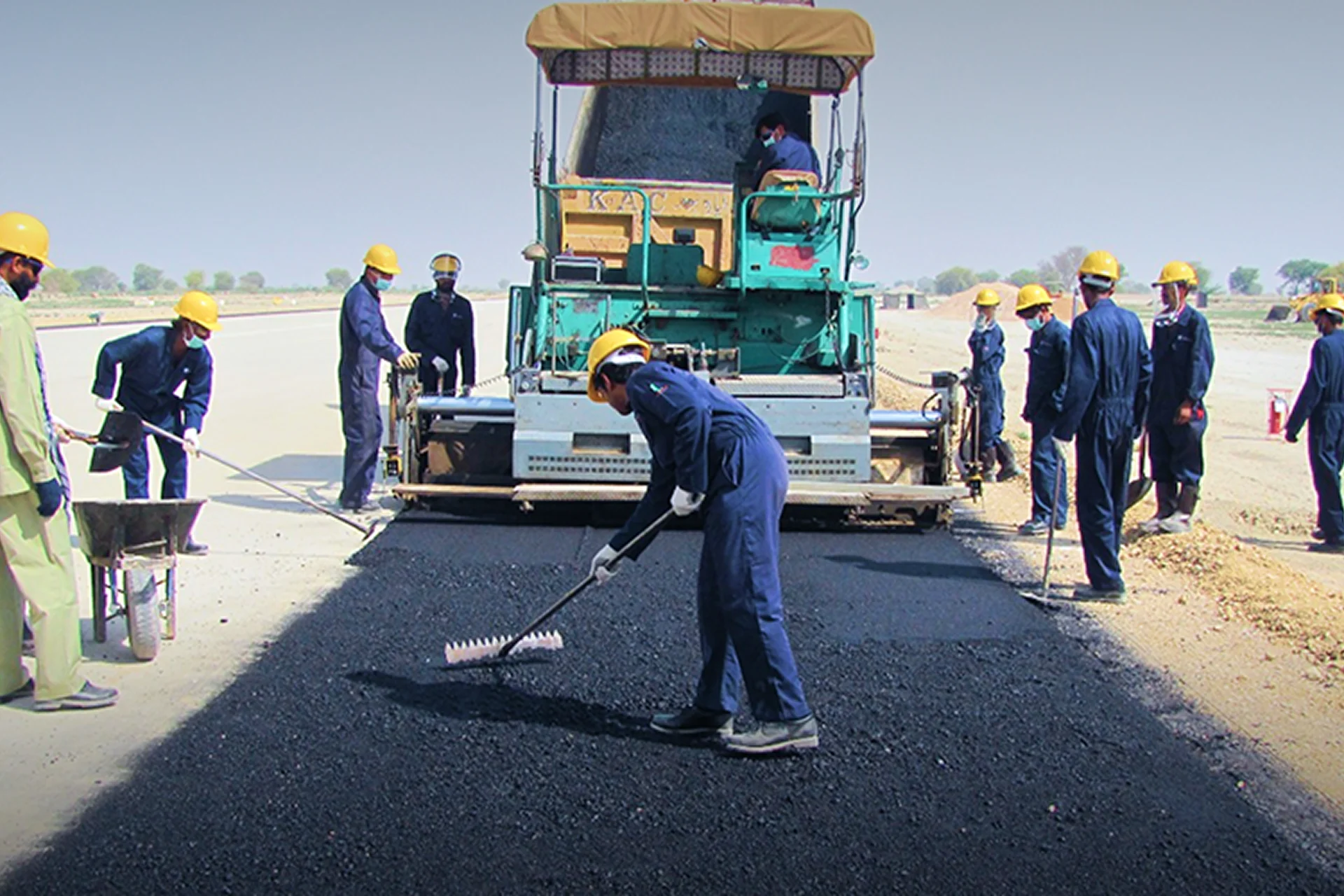
Resistance to PPE. In Pakistan's heat, workers often discard hard hats and safety glasses. Leading contractors address this by choosing lightweight, ventilated PPE and leading by example: supervisors wear the same gear. They also explain the why, not just enforce the what. A worker who understands that a hard hat prevents a fatal skull fracture is more likely to wear it.
Limited enforcement of regulations. Government labour inspections are infrequent. Self‑regulation is essential. Leading contractors set internal standards that exceed legal minimums.
Cost pressures. Some clients push for lower prices, assuming safety is a luxury. Leading contractors refuse to compromise. They educate clients that a safe site is a productive site. Delays from accidents cost far more than investing in PPE and training. Our quality management system integrates safety into every cost estimate.
Near‑miss reporting culture. In many Pakistani workplaces, reporting a near‑miss is seen as snitching or inviting trouble. Leading contractors change this by creating a no‑blame culture. They celebrate near‑miss reports as learning opportunities and share anonymised lessons across the company.
Subcontractor management. Many accidents occur because subcontractors have weak safety systems. Leading contractors require subcontractors to attend joint toolbox talks, submit safety plans, and allow audits. Subcontractors that repeatedly violate rules are removed from the approved vendor list.
By addressing these local challenges head‑on, the leading contractors in Pakistan achieve safety records that rival international standards. They prove that zero accidents is not a slogan, but a daily practice.
You do not need to be a mega‑contractor to adopt these methods. Here are actionable steps for any project.
Step 1: Conduct a baseline safety audit. Walk your site with a checklist. Identify gaps: missing PPE, unguarded edges, overloaded electrical sockets. Prioritise fixes.
Step 2: Start daily toolbox talks. Keep them short, specific, and in the local language. Focus on the day's tasks. Document attendance.
Step 3: Provide and enforce PPE. Buy quality gear. Train workers on proper use. Supervisors must wear the same equipment.
Step 4: Implement a near‑miss reporting system. Create a simple form. Encourage reporting by thanking reporters publicly. Investigate each report.
Step 5: Review safety at weekly meetings. Include the project manager, safety officer, and subcontractor leads. Review audit findings, near‑miss trends, and outstanding actions.
Step 6: Celebrate milestones. When you reach 100,000 man‑hours without injury, acknowledge the team. Recognition reinforces behaviour.
The leading contractors in Pakistan started with these same steps. Consistency, not complexity, is the secret.
For more detailed guidance, explore our beyond services safety page and our ethics and compliance resources.
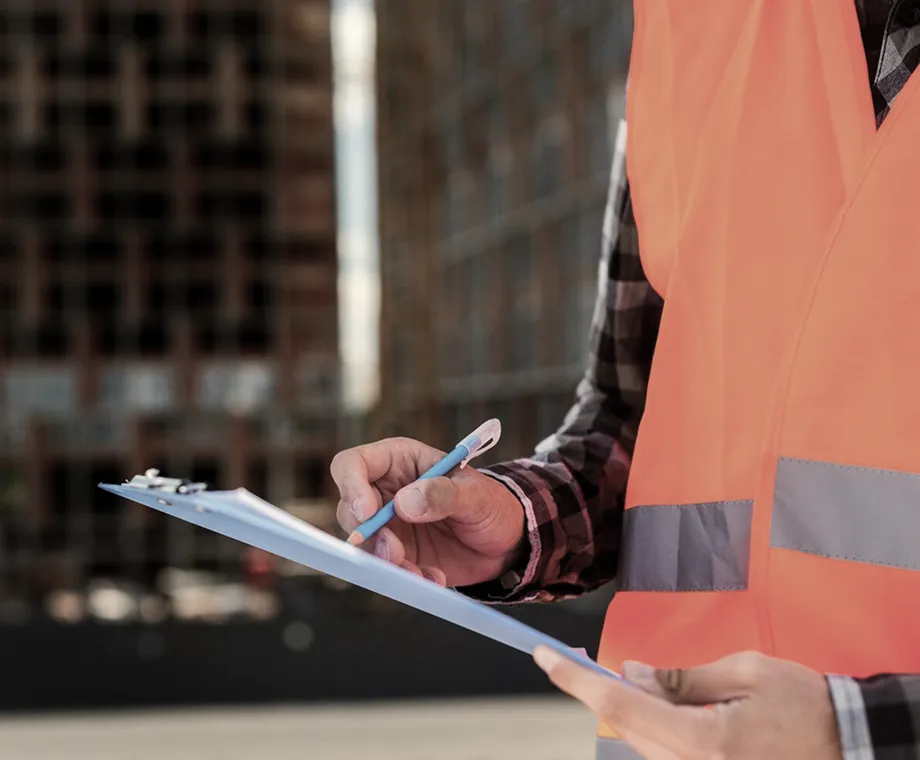
Achieving zero accidents requires deliberate effort. The leading contractors in Pakistan prove that it is possible. They conduct regular safety audits, enforce PPE, hold daily toolbox talks, perform hazard assessments, and encourage near‑miss reporting. They adapt international best practices to local challenges: language barriers, heat, resistance to PPE, cost pressures, and subcontractor management.
You can adopt the same methods, one step at a time. Start with a baseline audit. Add toolbox talks. Enforce PPE. Celebrate near‑misses. Review weekly. The result will be fewer injuries, less downtime, and a reputation that attracts better clients.
Safety is not a cost. It is an investment in your people, your project, and your future. For more examples of how we build safely, explore our portfolio of infrastructure projects and our structural building works. Choose safety. It works.

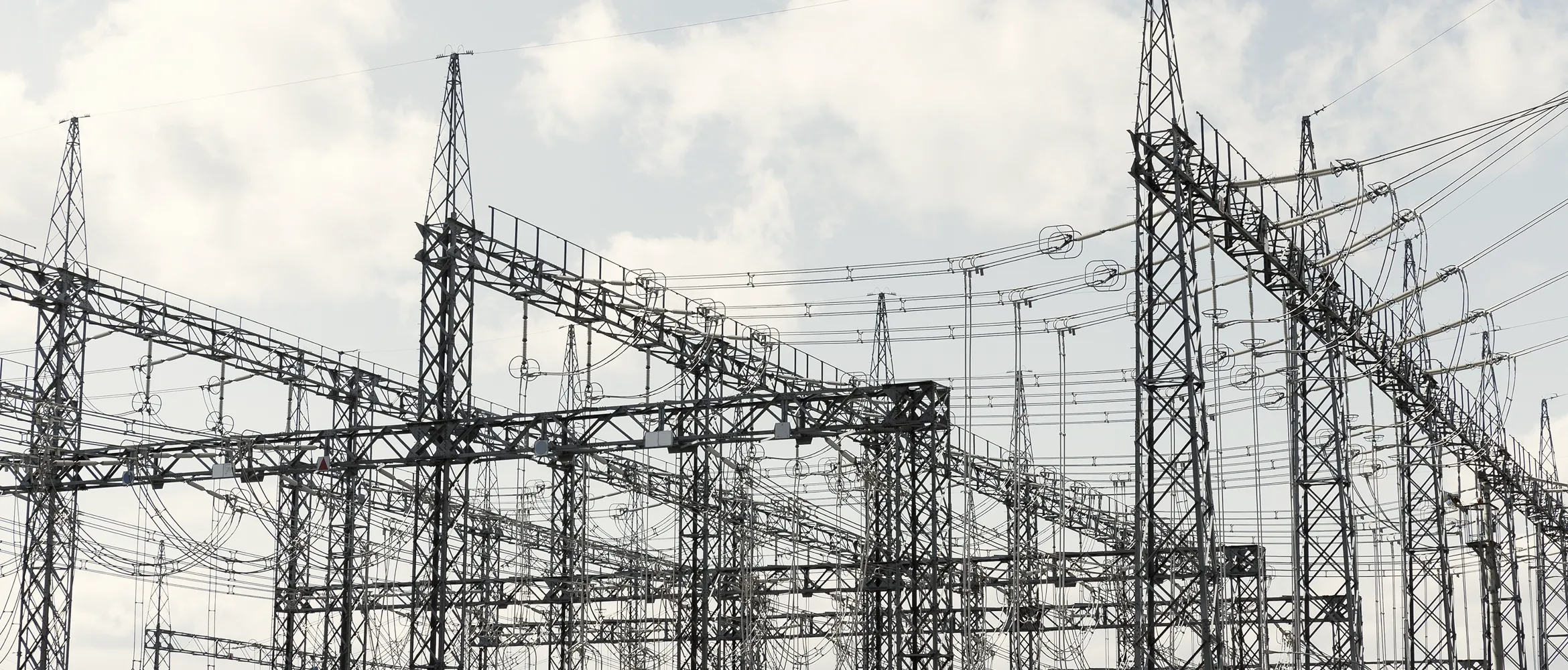
What the civil scope on a grid station covers in Pakistan, why tolerances are tighter than most building work, and where these projects typically run into trouble.