




.webp)







What a Construction Company Profile Should Actually Contain
Read more


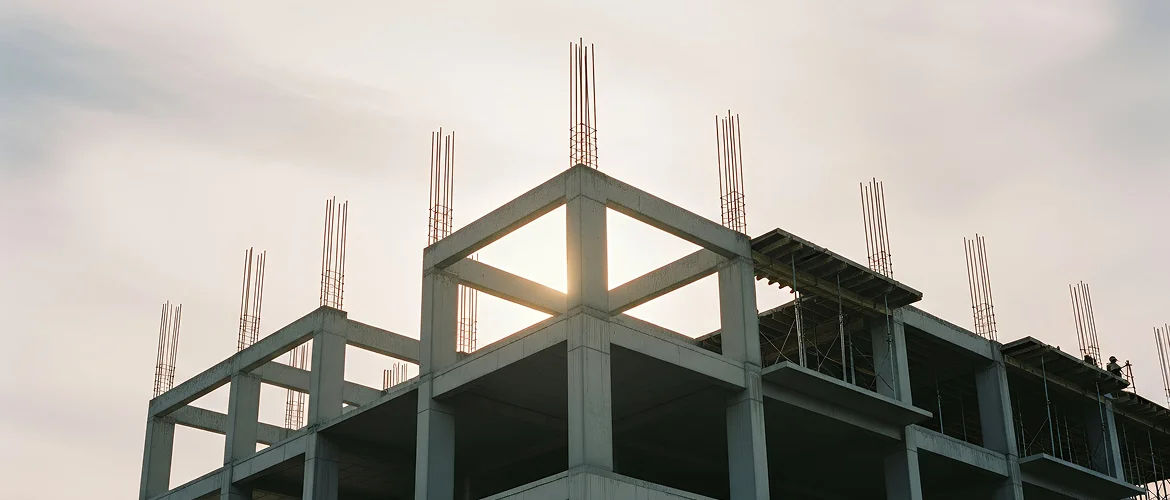
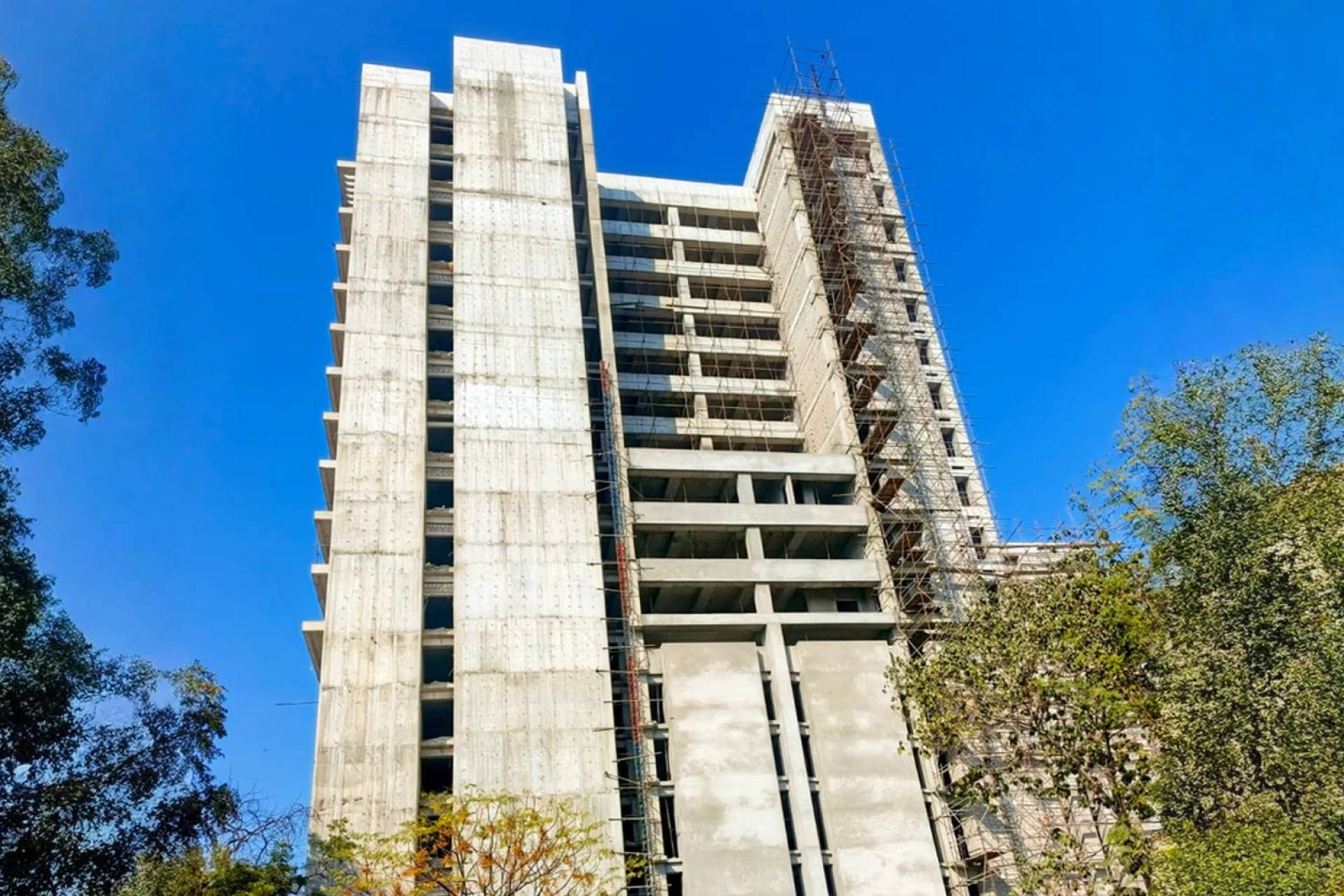
The term grey structure refers to the foundational and core structural stage of any building project before finishing work begins. This critical phase gives the building its permanent shape and strength, ensuring longevity and safety.
For a construction company, successfully delivering the grey structure is a demonstration of core capability, structural precision, and adherence to foundational engineering standards. This essential stage includes all the load-bearing elements that guarantee stability. The successful and timely completion of the grey structure sets the quality benchmark for the entire project and validates the contractor's foundational experience in construction.
The grey structure typically includes all major vertical and horizontal components. Once this essential stage is completed, the building is properly ready for all subsequent finishing and fit-out works to commence efficiently.
The grey structure phase includes all fundamental structural elements, ensuring the building's durability and integrity.
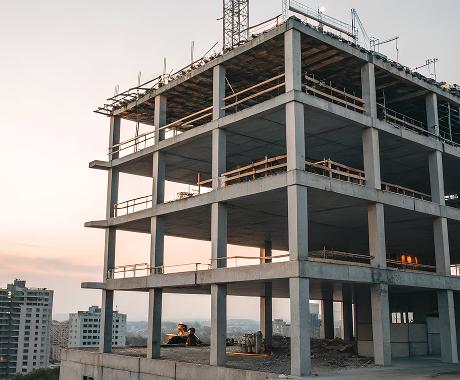
The quality of the grey structure directly impacts the project's long-term value and feasibility.
The quality of the grey structure directly impacts the project's long-term value and feasibility. A well-executed grey structure is the primary determinant of Investment Security, as timely completion secures the project timeline and actively protects the client's financial investment.
The grey structure stage ensures the precision requirement for all subsequent work. Structural elements, especially anchor bolt placement for critical industrial plants, demand absolute, flawless precision during this stage for proper installation of heavy machinery later on. This foundational accuracy prevents costly rework.
Finally, a robust grey structure directly impacts future adaptability. It provides the necessary foundational support for any future internal changes or additions during the finishing phases, guaranteeing long-term flexibility and usability for the client.

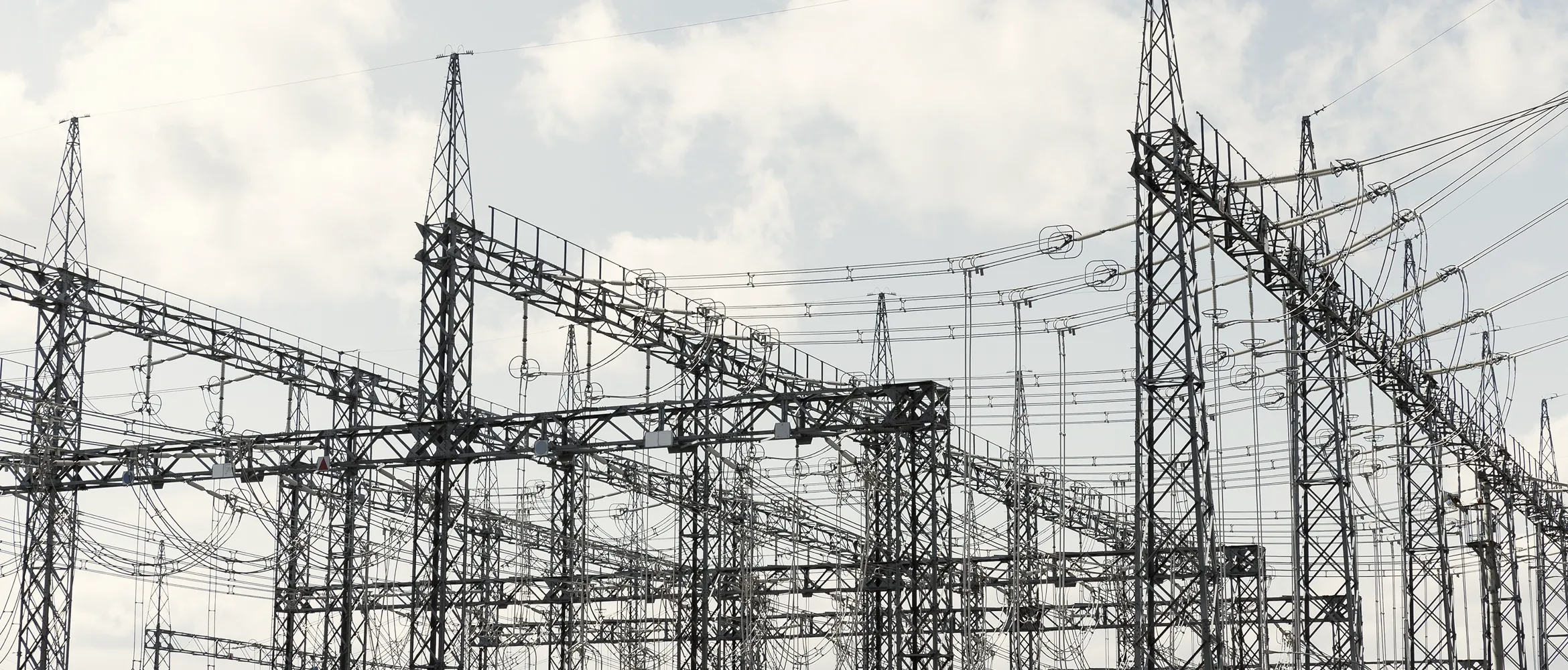
What the civil scope on a grid station covers in Pakistan, why tolerances are tighter than most building work, and where these projects typically run into trouble.