








.webp)










What a Construction Company Profile Should Actually Contain
Read more



Minimising water consumption on construction sites is critical for environmental sustainability and directly impacts project costs. Adopting efficient management practices ensures we reduce our environmental footprint while maintaining operational needs.
Implementing a comprehensive Water Management Plan is essential for all major construction projects, especially those in arid regions. This plan focuses on identifying all significant water use points. For instance, this includes curing and dust suppression to concrete mixing and equipment washing. Additionally, the management is actively seeking alternative sources. Effective management requires training all personnel in water-saving techniques, regular monitoring for leaks and utilising advanced methods for recycling and reuse.
Successful water conservation ensures compliance with environmental regulations and reinforces a company's commitment to responsible construction practices throughout the entire project lifecycle.
The greatest potential for water savings lies in controlling major site operations.

Implementing a water management plan yields both environmental and financial benefits.
This focus on conservation creates dual value. Lower water consumption directly reduces operational and utility costs, ensuring significant financial savings for large projects. Environmentally, conserving water, especially in arid regions, supports local communities and regional ecological health by reducing the strain on natural sources.
Furthermore, demonstrating proactive water stewardship strengthens a company's environmental credentials, ensuring compliance with standards like ISO 14001 and enhancing its reputation with environmentally conscious clients.

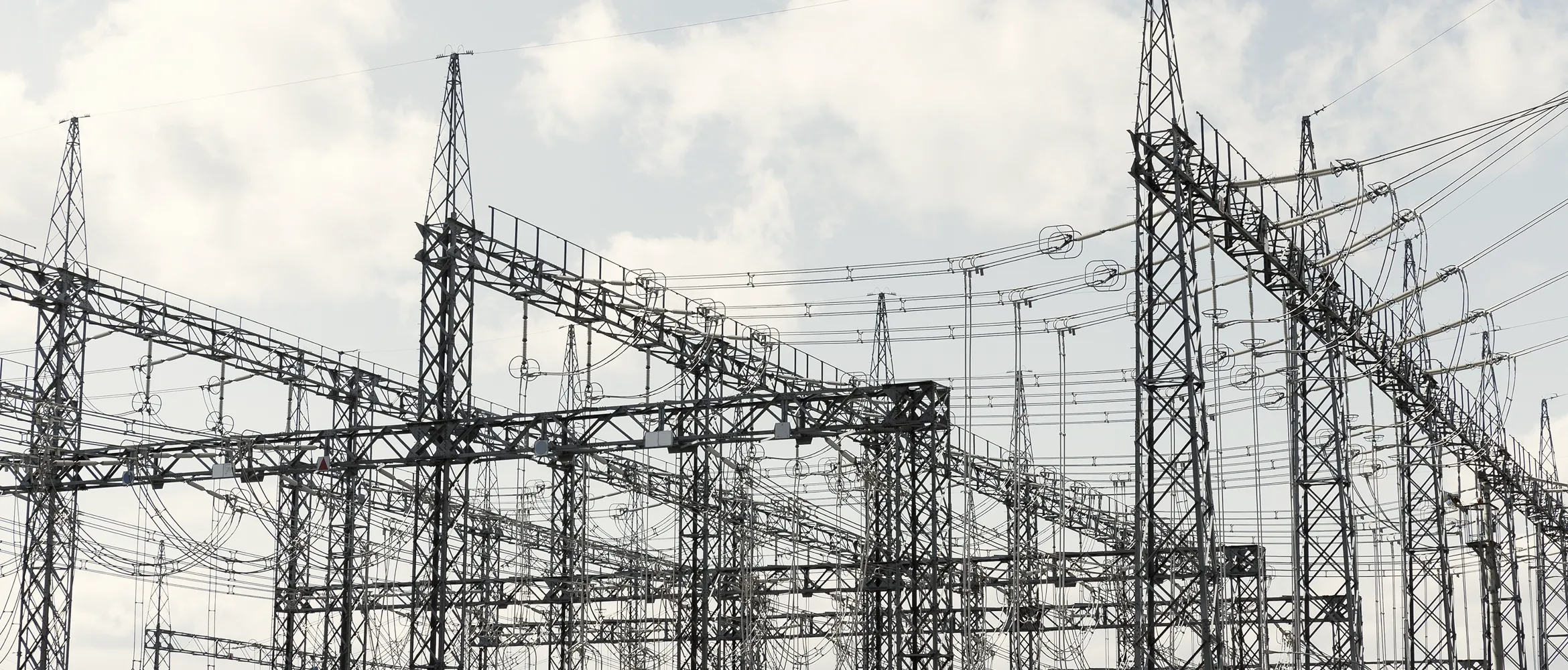
What the civil scope on a grid station covers in Pakistan, why tolerances are tighter than most building work, and where these projects typically run into trouble.