


.webp)



Where Pakistan's Construction Materials Come From, and Why It Matters
Read more



For decades, construction in Pakistan relied on paper drawings, manual surveys, and site‑based guesswork. But that is changing. A new wave of digital tools is reshaping how projects are designed, managed, and delivered. To understand this shift, we spoke with the Technology Lead at AMCORP, one of the top construction companies in Pakistan. He has led the adoption of Building Information Modelling (BIM), drone surveying, and project management software across mega‑projects.
In this interview, he explains what digital transformation really means for local contractors, which tools deliver the biggest return, and what challenges remain. For an overview of AMCORP's approach to innovation, visit AMCORP's homepage.
"Digital transformation is not about buying expensive software and hoping for the best. It is about changing how people work. At AMCORP, we started with small steps: moving from paper daily reports to a mobile app. Then we added drone surveys for earthwork calculations. Now we are using BIM for clash detection before we pour concrete.
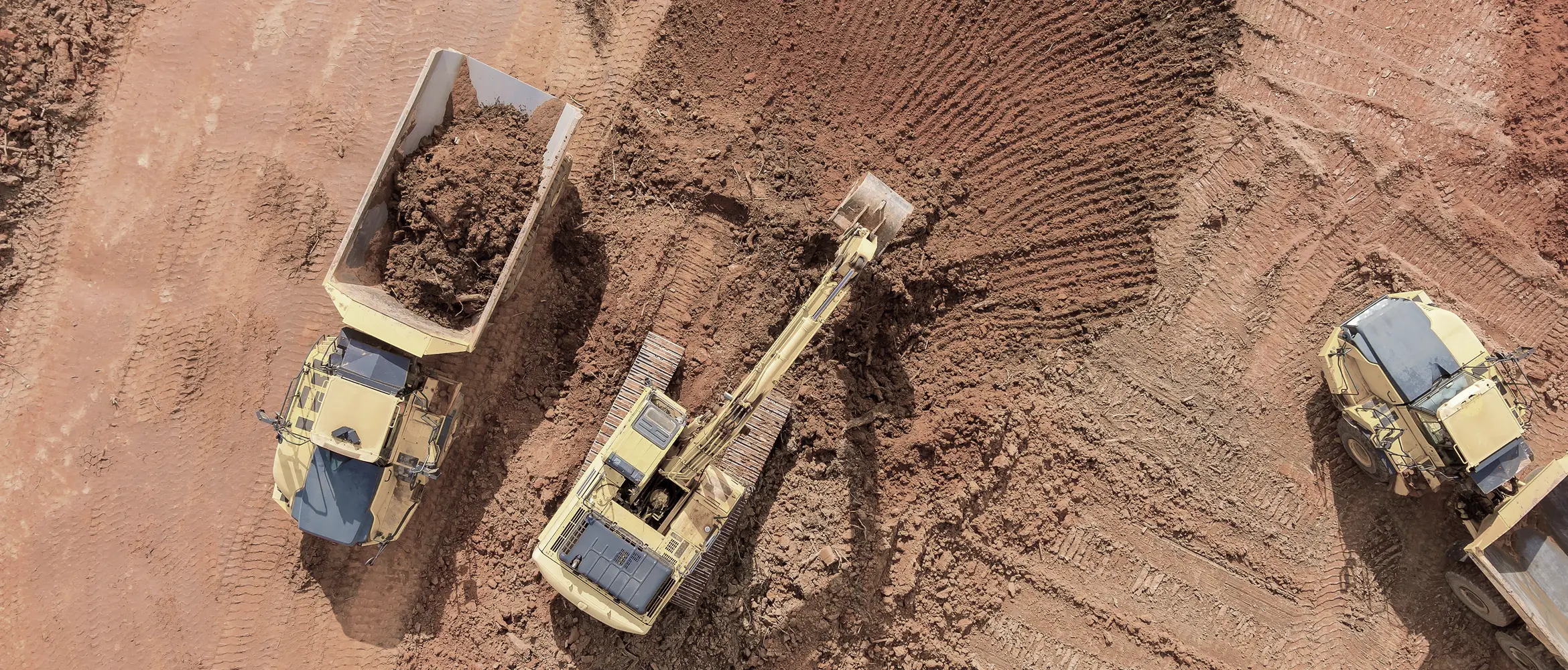
The top construction companies in Pakistan are adopting three main technologies. First, Building Information Modelling (BIM) which creates a 3D digital model of the project. Second, drone surveying for stockpile measurements and progress tracking. Third, cloud‑based project management platforms that connect the site office to head office in real time.
On the QICT port expansion, we used drones to monitor dredging volumes. That saved weeks of manual survey work and improved accuracy by 80 percent. That is digital transformation: not a fancy presentation, but a measurable productivity gain."
"BIM is a game changer. Traditionally, structural, mechanical, and electrical drawings are done separately. Conflicts are only discovered on site when a pipe tries to go through a beam. That means rework, delays, and cost overruns. With BIM, we combine all disciplines into one 3D model. The software automatically detects clashes before any material is ordered.
For example, on the Nandipur power plant project, we used BIM to coordinate pipe routing and steel structures. We found a major clash between a gas line and a support column. We resolved it in the model in two hours. Without BIM, that would have been a two‑week field change order. The top construction companies in Pakistan are now making BIM mandatory for projects above a certain size. The Pakistan Engineering Council (PEC) is also encouraging BIM adoption through training programmes."
"Affordability is a concern, but the entry cost is lower than people think. A basic drone for stockpile surveys costs around PKR 200,000 to 400,000. That pays for itself in three months by reducing rework and measurement disputes. Cloud‑based project management software costs a few thousand rupees per user per month. Free versions are available for small teams.
The real barrier is not cost, it is mindset. Many contractors believe that digital tools are only for large firms. That is not true. We have seen small subcontractors adopt tablet‑based quality checklists and reduce defects significantly. The top construction companies in Pakistan are helping by requiring their subcontractors to use compatible digital systems. That creates a virtuous cycle.
Our technology page explains some of the tools we use. I encourage every contractor, regardless of size, to start with one tool. Master it. Then add another."
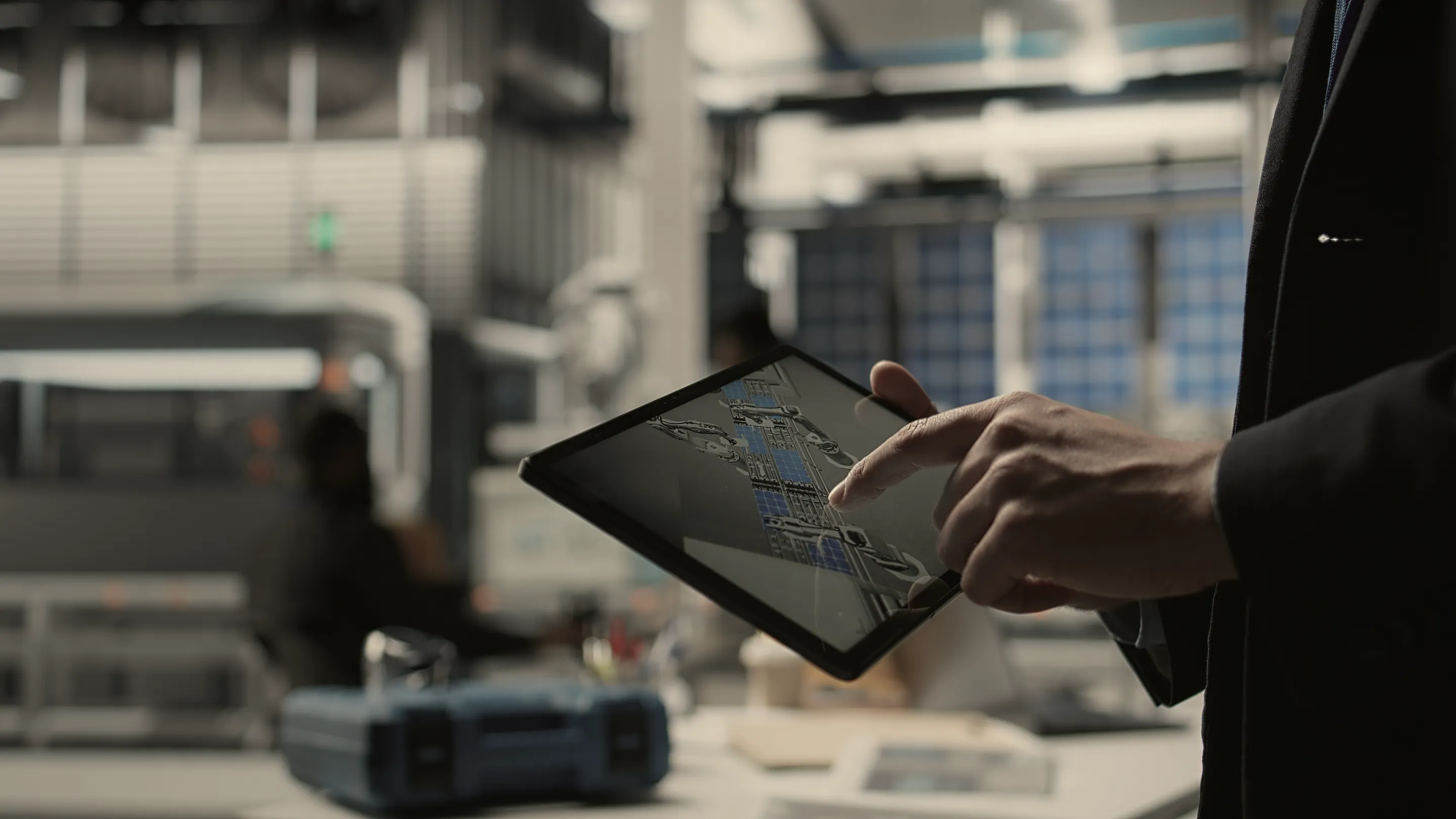
"People. Technology is easy. Changing habits is hard. Senior site engineers who have worked with paper for 20 years resist tablets. They say the old way is faster. But once they see a drone survey completed in 30 minutes that used to take two days, they change their minds.
To overcome resistance, we started with champions. We identified young engineers who were excited about technology. We trained them first. They became internal trainers. We also showed tangible results. For example, on the SECMC coal silo project, we used 4D scheduling (BIM plus time). The client saw how we planned every week. That built trust. Now those same engineers are advocates.
Another challenge is internet connectivity on remote sites. We invested in satellite internet and offline‑sync apps. Data is collected offline and uploaded when connection is available. The top construction companies in Pakistan are finding workarounds, not excuses."
"Digital twins. A digital twin is a virtual replica of a building that updates in real time using sensors on the physical structure. Imagine a high‑rise tower where sensors monitor concrete curing temperature, vibration, and even occupancy. The digital twin predicts maintenance needs and optimises energy use.
We are not fully there yet in Pakistan, but pilot projects are starting. Internationally, the buildingSMART International organisation is setting standards for digital twins. Once these become affordable, the top construction companies in Pakistan will be able to offer clients not just a building, but a smart building that operates efficiently for decades.
Another trend is laser scanning for as‑built verification. We recently used a 3D laser scanner on a finishing project to compare the actual structure with the BIM model. The deviation was less than 5 millimetres. That kind of precision was impossible five years ago."
"Start with a pain point. Do not digitise everything at once. Look at your last project. What caused the biggest delay or cost overrun? Was it material reconciliation? Rework due to drawing errors? Approval delays? Pick that one problem and find a digital solution.
Second, involve your team in the selection. If you force a tool on them, they will reject it. Let them try two or three options and vote. Third, measure the impact. Track time saved, errors reduced, or money saved. Share those numbers. Success breeds adoption.
Finally, remember that digital tools are enablers, not replacements. They do not replace good engineering judgement. They simply give you better information to make decisions. The top construction companies in Pakistan combine digital tools with experienced people. That is the winning formula."

This interview makes one thing clear: digital transformation is not a distant future for the top construction companies in Pakistan. It is happening now. BIM, drone surveying, cloud platforms, and even digital twins are delivering measurable gains in speed, accuracy, and cost control. The challenges are real, especially changing mindsets and connectivity, but the benefits far outweigh the hurdles.
For project managers, the advice is practical: start small, focus on a specific pain point, involve your team, and measure results. For clients, it means you can now demand digital deliverables like BIM models and drone progress reports as part of your contract. The best contractors will welcome those demands because they are already ahead.
To see how digital tools integrate with quality and safety systems, explore our beyond services technology page and our EPC project portfolio. The digital shift is here. Those who embrace it will lead the next decade.

What a construction company profile should contain, how clients read it during prequalification, and the common gaps that cost contractors work before evaluation begins.