




.webp)







Where Pakistan's Construction Materials Come From, and Why It Matters
Read more



Infrastructure projects are not like building a house. They involve complex earthworks, multiple government approvals, and long construction timelines. Many clients hire a civil engineering contractor Pakistan without fully understanding the process, which leads to disputes, delays, and budget overruns.
A road, bridge, or water treatment plant can take two to three years from design to handover. During that time, you will encounter utility relocations, monsoon delays, and material price fluctuations. Knowing what to expect upfront helps you plan better and avoid surprises.
This blog explains the typical infrastructure project lifecycle, common payment structures, hidden costs, and red flags to watch for. For an overview of AMCORP's infrastructure capabilities, visit AMCORP's homepage.
A professional civil engineering contractor Pakistan will break down your project into clear phases. Here is what you should expect from start to finish.
Phase 1: Mobilisation (4 to 8 weeks). The contractor sets up site offices, surveys the land, and orders long‑lead equipment. Do not expect major earthmoving during this phase. A good contractor will provide a mobilisation plan with dates.
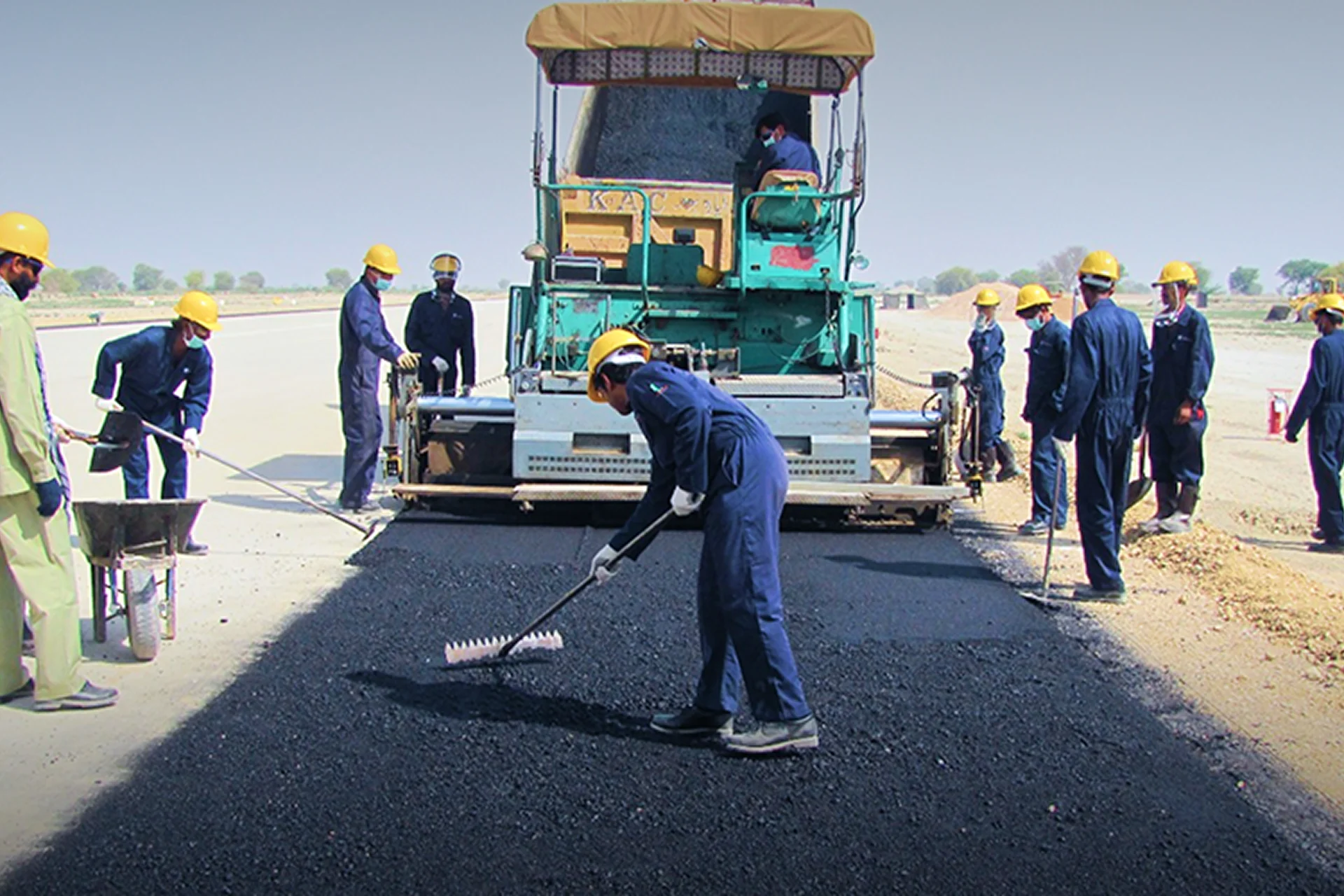
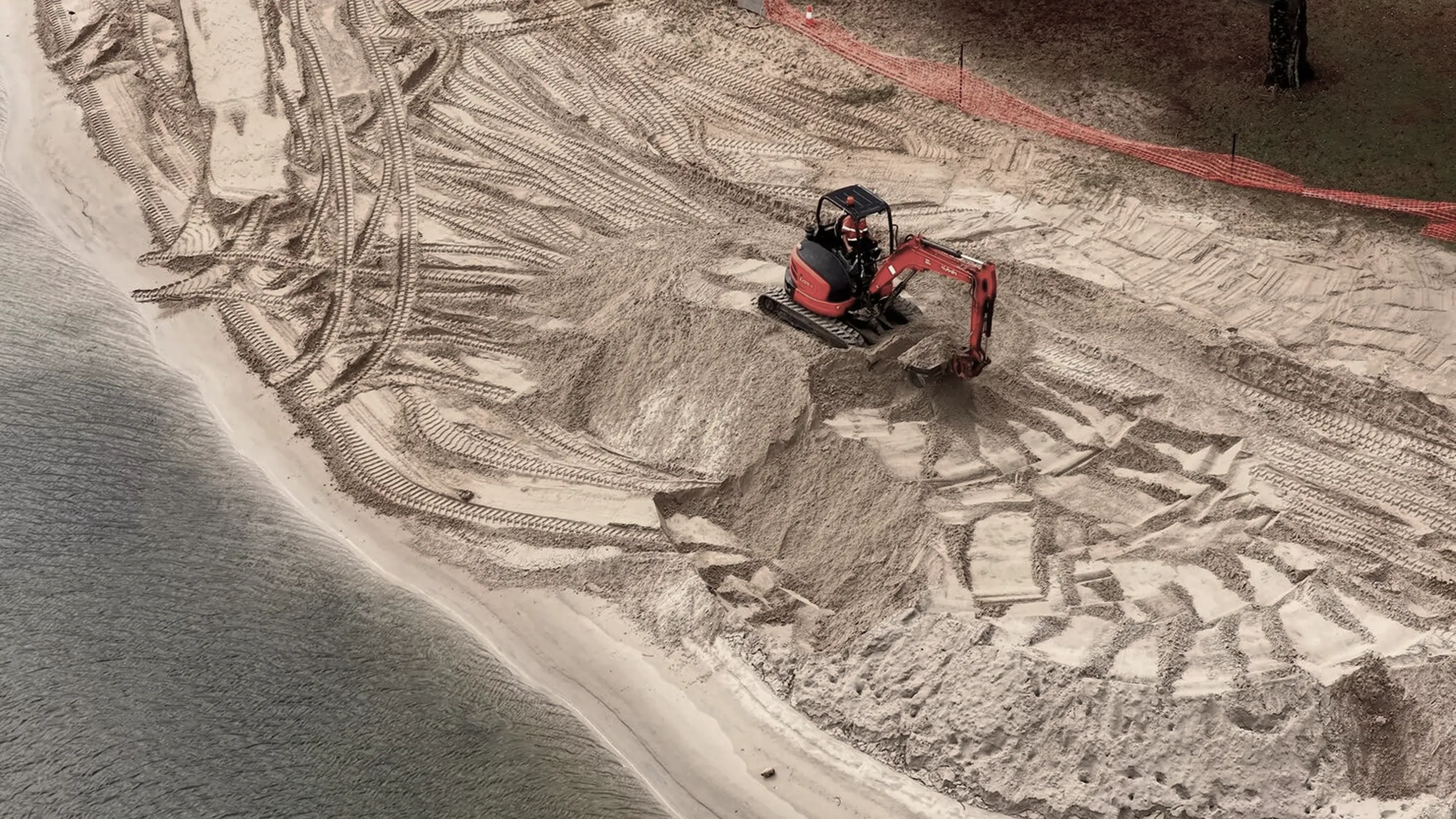
Phase 2: Earthworks and grading. This includes clearing, excavation, and filling to create a level platform. On the QICT port expansion, over 500,000 cubic metres of earth were moved. Expect dust and noise, and ensure the contractor has dust control measures.
Phase 3: Underground utilities. Sewer lines, water pipes, and electrical ducts are installed before any concrete is poured. Utility companies must disconnect or approve connections, which can cause delays. A reliable contractor will coordinate these approvals early.
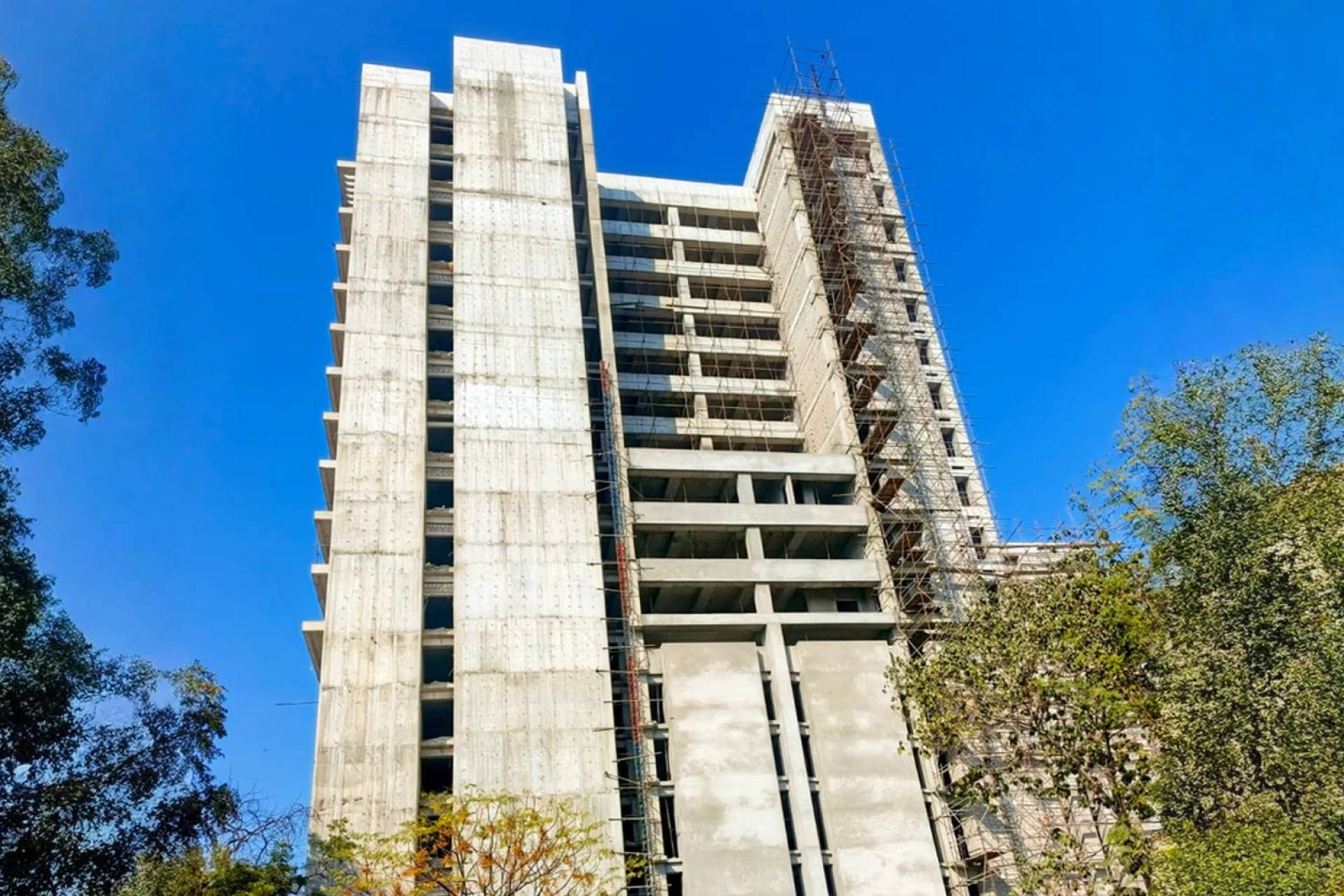
Phase 4: Foundations and structures. Bridge piers, treatment tanks, or road base layers are built. Quality control is critical. Our quality assurance system includes on‑site concrete testing.
Phase 5: Mechanical, electrical and plumbing (MEP). Pumps, control panels, and piping are installed. This phase requires coordination with suppliers. Expect factory acceptance tests before equipment is shipped.
Phase 6: Commissioning and testing. The facility is tested under real conditions. For a water treatment plant, this means running water through the system for weeks. For a road, it means load testing and safety audits.
Phase 7: Handover and defect liability. The client takes ownership. The contractor remains responsible for repairs for a period, typically 12 months. Ensure the contract specifies the defect liability period clearly.
Understanding these phases helps you set realistic milestones. A contractor who cannot describe their process this clearly may lack experience.
Most infrastructure contracts use progress payments. Here is what a typical payment schedule looks like and what extra costs you should budget for.
Typical payment structure. You will pay 5 to 10 percent as a mobilisation advance, recovered over subsequent payments. Then monthly payments based on work completed, measured by quantity surveys. A retention of 5 to 10 percent is held until final handover. The Pakistan Engineering Council (PEC) provides standard contract formats that include these terms.
Hidden cost 1: Utility connection fees. Even after the contractor finishes civil works, the electricity or water utility may charge a connection fee. This is often the client's responsibility. Ask your contractor to estimate these fees during design.
Hidden cost 2: Third‑party testing. For bridges, load tests require specialised equipment. For water treatment plants, laboratory tests for water quality can cost significant amounts. Clarify who pays for these before signing.
Hidden cost 3: Security costs. For projects in certain areas of KP or Balochistan, private security may be required. The contractor can arrange it, but you should budget separately. On the Ghoro grid civil project, security was a line item in the budget.
Hidden cost 4: Price escalation. Infrastructure projects last years. Cement, steel, and fuel prices can rise. A good contract includes a price escalation clause linked to official indices. Without it, the contractor may demand renegotiation mid‑project.
Add a contingency of 10 to 15 percent of the contract value for these hidden costs. A transparent civil engineering contractor Pakistan will help you identify them upfront.
Infrastructure projects in Pakistan face unique hurdles. Here is what you should expect and how experienced contractors handle them.
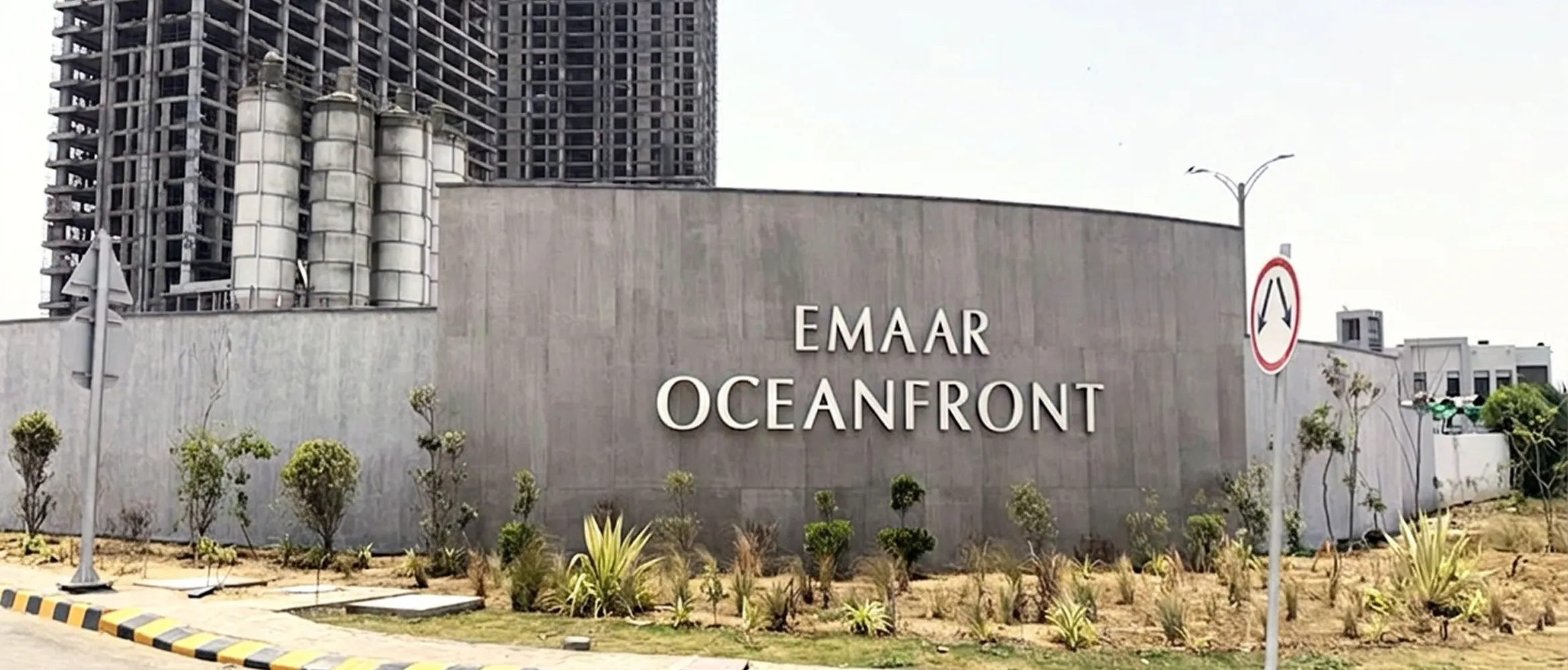
Approval delays. NOCs from irrigation, forest, and utility departments can take months. A good contractor will have a dedicated liaison officer. On the infrastructure works for Emaar, the liaison officer reduced approval times by 40 percent.
Monsoon disruptions. Earthworks cannot be done in heavy rain. Expect 2 to 4 weeks of rain‑related delays annually in Punjab and Sindh. Build this into your schedule. A good contractor will use the downtime for office work, material ordering, and safety training.
Utility outages. Power cuts affect concrete mixing and pumping. Leading contractors keep backup generators on site. Our safety and operations protocols include generator maintenance schedules.
Land acquisition and right‑of‑way issues. For roads and bridges, land disputes can halt work. Ensure the client (government or private) has clear title before mobilising. A contractor cannot solve legal disputes.
Labour skill variations. Skilled operators for heavy machinery are scarce. Experienced contractors maintain their own equipment fleets and trained crews. Our portfolio of infrastructure projects includes projects where we used company‑owned graders and excavators.
Security in certain regions. For projects in Balochistan or KP, coordinate with local police and hire licensed security firms. A contractor who ignores security will face work stoppages.
By anticipating these challenges, you can set realistic timelines and avoid frustration. The best contractors will raise these issues during bidding, not after signing.
Not every contractor is qualified for infrastructure work. Watch for these red flags when evaluating a civil engineering contractor Pakistan.
Red flag 1: No clear phase breakdown. If a contractor cannot describe the seven phases above, they lack experience. Ask for a detailed work breakdown structure.
Red flag 2: Refusal to share safety records. Infrastructure work is dangerous. Ask for lost time injury frequency rate. If they cannot produce it, move on. Our safety milestones are publicly available.
Red flag 3: No PEC category for your project value. Verify online at PEC verification portal. A contractor with C‑6 cannot build a PKR 500 million road.
Red flag 4: Unrealistically short timeline. If a contractor promises a 24‑month road in 12 months, they are either lying or skipping safety. Infrastructure takes time.
Red flag 5: No contingency plan for utility delays. Ask: "What happens if WAPDA takes three extra months?" A good contractor will have a plan. A bad one will shrug.
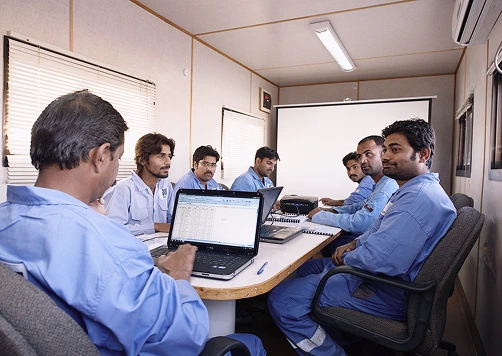
Always visit an active site of the contractor. Look at material storage, worker safety gear, and housekeeping. A messy site predicts messy project management.
Hiring a civil engineering contractor Pakistan for infrastructure is a long‑term partnership. Understand the seven phases: mobilisation, earthworks, utilities, foundations, MEP, commissioning, and handover. Agree on payment schedules that include mobilisation advance, monthly progress payments, and retention. Budget for hidden costs like utility fees, third‑party testing, security, and price escalation. Anticipate Pakistan‑specific challenges: approval delays, monsoons, power cuts, land issues, labour shortages, and security.
Check for red flags: no phase breakdown, no safety records, wrong PEC category, unrealistic timelines, no contingency plans. Visit active sites. Verify PEC registration online.
Infrastructure projects are demanding, but with the right contractor, they are manageable. For more examples of successfully delivered infrastructure, explore our portfolio of infrastructure projects and our what we do infrastructure page. Prepare well, and your project will stand for decades.


What a construction company profile should contain, how clients read it during prequalification, and the common gaps that cost contractors work before evaluation begins.