


.webp)



Who Does What on a Large Construction Site
Read more



When you look at a contractor's annual report, what do you check first? For most people, it is revenue. Big numbers mean market share, stability, and growth. But revenue alone tells an incomplete story. A contractor can generate billions in sales while ignoring safety, leading to accidents that shut down projects, destroy reputations, and cost millions in lawsuits.
The top construction companies in Pakistan understand that revenue and safety are not opposites. They are two sides of the same coin. A strong safety record reduces downtime, lowers insurance premiums, and attracts better clients. In fact, contractors with low lost time injury rates often outperform their unsafe competitors financially.
This blog compares how leading contractors balance financial performance with safety metrics. You will learn what numbers to ask for, how to interpret them, and why safety is a leading indicator of long term success. For a broader view of what makes a contractor excellent, visit AMCORP's homepage.
The top construction companies in Pakistan track many metrics, but two are essential for comparison: annual revenue growth and lost time injury frequency rate (LTIFR).
Revenue growth shows market demand, project wins, and financial health. A contractor growing at 10 to 15 percent annually is likely winning bids and satisfying clients. But revenue can be inflated by underbidding or cutting corners on safety. That is why you need the second number.
Lost time injury frequency rate (LTIFR) measures how many workplace injuries result in at least one day away from work, per million hours worked. Globally, a good LTIFR for construction is below 2.0. In Pakistan, many contractors do not even track this number. The Occupational Safety and Health Administration (OSHA) provides standard calculation methods. Contractors who track LTIFR are already ahead of those who do not.
Here is a simple way to compare. Ask a contractor for two things: their revenue growth over the last three years and their LTIFR over the same period. Then plot them. The ideal quadrant is high revenue growth and low LTIFR. Contractors in this quadrant have figured out how to grow profitably without hurting workers.
High revenue growth with high LTIFR is a warning. It means the contractor is expanding unsustainably, likely by rushing work and skipping safety steps. Low revenue growth with low LTIFR might be a stable but stagnant firm. Low revenue growth with high LTIFR is a disaster.
The top construction companies in Pakistan aim for the top left quadrant: growing fast but keeping workers safe. Our safety approach has helped maintain a low LTIFR even as we take on larger projects.
Let us look at how safety metrics directly affect revenue on two real projects from AMCORP's portfolio.
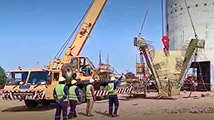
Project 1: SECMC coal silo. The SECMC coal silo project involved heavy civil works in Sindh. The contractor implemented daily toolbox talks, weekly safety audits, and real‑time hazard reporting. The result was zero lost time injuries over 500,000 man hours. What did that mean for revenue? No work stoppages. No regulatory fines. No overtime costs to catch up after accidents. The project finished on schedule, and the client awarded additional contracts.
Project 2: QICT port expansion. The QICT port expansion achieved 1.3 million safe man hours, a milestone recorded in AMCORP's updates. That safety record was a key factor in winning repeat business from the port authority. Clients in Pakistan are increasingly asking for safety data in pre‑qualification documents. A strong LTIFR directly translates into more revenue opportunities.
Conversely, consider a hypothetical competitor. They grow revenue by 20 percent in one year by taking on too many projects. To meet deadlines, they skip safety training and stop holding toolbox talks. A worker falls from scaffolding and suffers a spinal injury. The project stops for two weeks. The contractor pays medical bills, legal fees, and a fine from the Pakistan Engineering Council (PEC). The client terminates the contract. Revenue growth turns negative. The competitor never recovers.
This is not theory. It happens every year in Pakistan's construction industry. Contractors who treat safety as a cost center eventually pay much more.
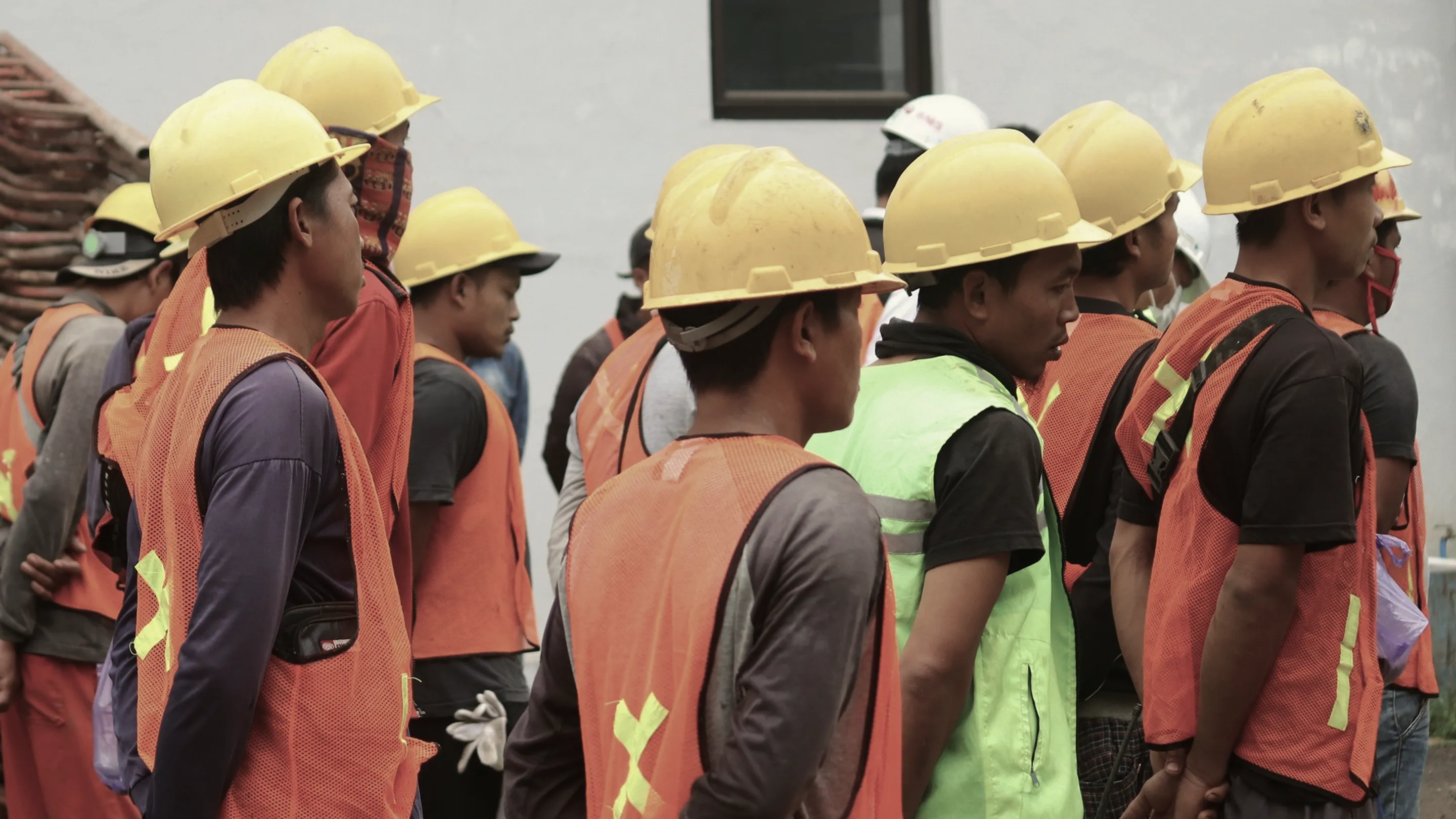
In Pakistan, many contractors hide their safety records because they are bad. The top construction companies in Pakistan are the exception. They publish safety milestones because they are proud of them.
Why safety data is hard to find. There is no national requirement to publicly report LTIFR. Contractors only share safety data with clients who demand it. If you do not ask, you will never know. This creates an information gap where unsafe contractors can appear legitimate.
How to force transparency. When evaluating contractors, include safety metrics in your request for proposal (RFP). Require the contractor to provide their LTIFR for the last three years, along with a description of their safety management system. Also ask for their most recent safety audit report. Contractors who refuse or provide vague answers should be disqualified.
What good looks like in Pakistan. A reasonable LTIFR target for a Pakistani contractor working on industrial projects is below 3.0. For infrastructure or high‑rise construction, below 2.0 is excellent. For reference, AMCORP's safety milestones demonstrate what world class safety looks like in the local context.
The cost of poor safety. A single fatality can cost a contractor PKR 10 to 20 million in direct costs (medical, compensation, fines) and much more in lost contracts. The top construction companies in Pakistan invest in safety because they have done the math. Prevention is cheaper than cure.
Client power. As a project owner, you have leverage. Make safety a non‑negotiable part of your contracts. Require monthly safety reports. Conduct unannounced site visits. Reward contractors with good safety records by inviting them to bid on future projects. Over time, this will push the entire industry to improve.
Our quality and ethics framework includes safety as a core pillar, not an afterthought.
When comparing the top construction companies in Pakistan, do not just look at revenue. Look at safety records. A contractor with a low lost time injury rate and a growing top line has built a sustainable business. They have invested in training, equipment, and culture. They will deliver your project without deadly surprises.
Ask for LTIFR. Ask for safety audit reports. Ask for proof of toolbox talks. And if a contractor looks uncomfortable, move on. The best contractors will welcome your questions because safety is a competitive advantage, not a liability.
For project owners, this comparison framework protects your timeline and your reputation. For construction professionals, working for a contractor with a strong safety record means going home healthy every day. That is more important than any revenue number.
To see how safety and revenue go together, explore our portfolio of safely delivered projects. The numbers speak for themselves.

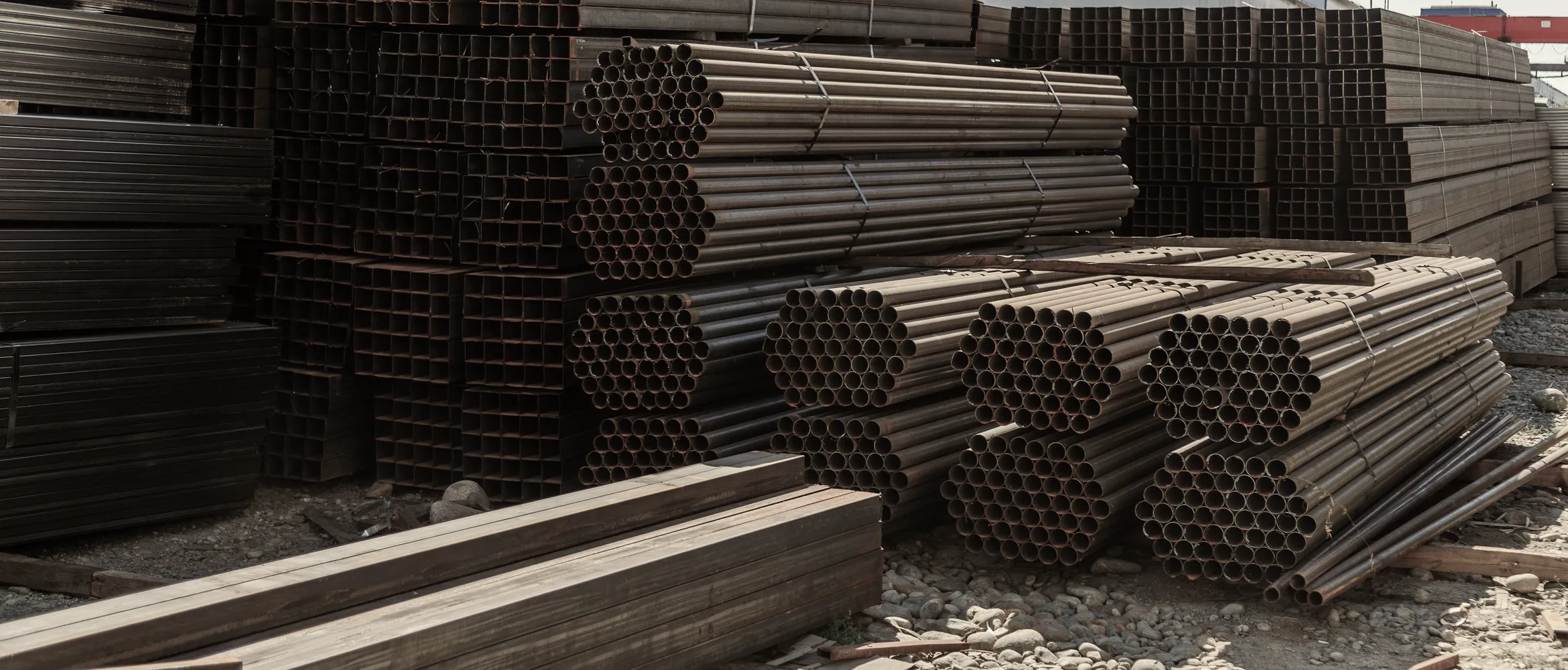
Where Pakistan's cement, bricks, steel, and aggregate are produced, how far they travel to site, and why sourcing distance shapes cost, schedule, and emissions.