





.webp)






What a Construction Company Profile Should Actually Contain
Read more


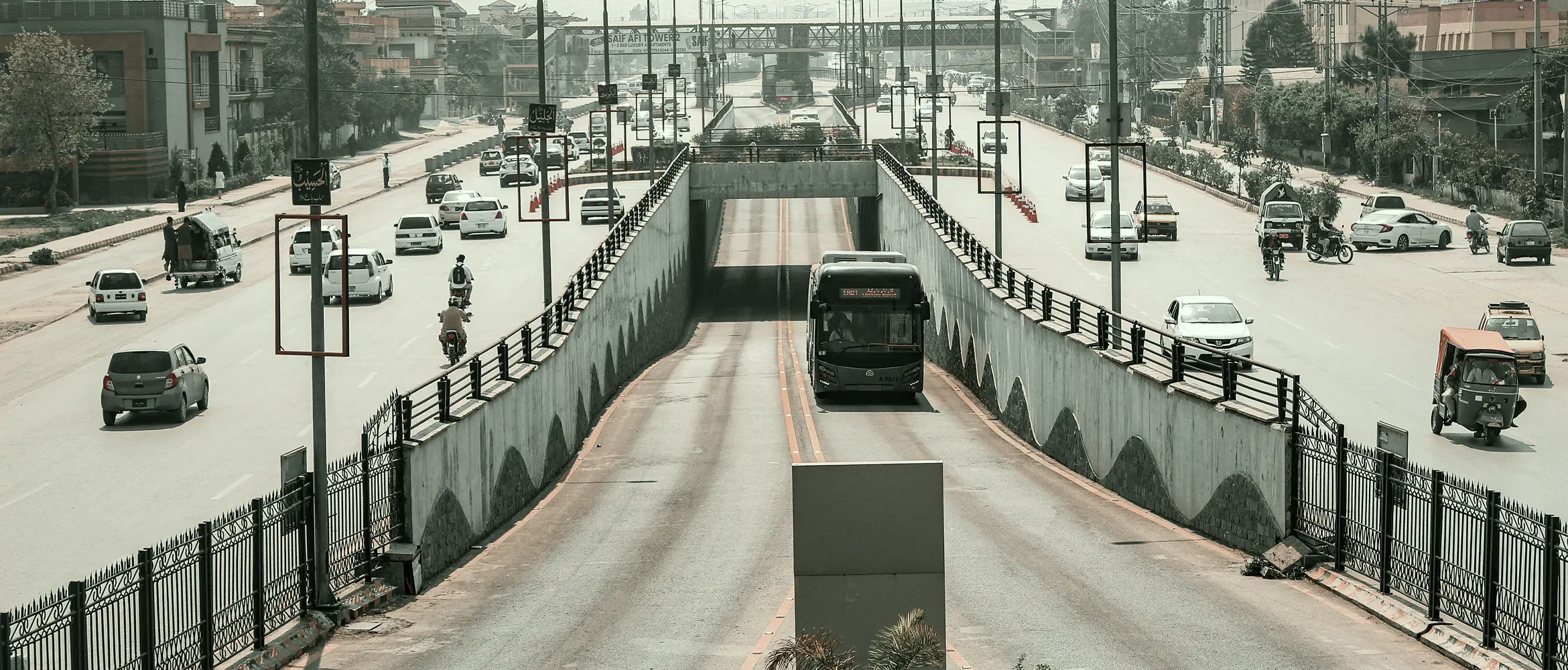
Smart cities are no longer a futuristic concept for wealthy nations. In Pakistan, urban centres like Islamabad, Lahore, and Karachi are already experimenting with smart elements: traffic sensors, automated streetlights, and integrated utility networks. But these technologies cannot float in the air. They need physical infrastructure: ducts for fibre optics, reinforced pavement for weigh‑in‑motion sensors, and utility corridors that accommodate both water pipes and data cables.
This is where the role of a civil engineering contractor Pakistan becomes critical. Smart infrastructure demands precision that traditional road or building projects do not require. A sensor embedded in a road must be placed at the exact depth and angle. A utility tunnel must allow future access for technicians. Contractors who understand these requirements bridge the gap between digital dreams and physical reality.
This blog explains what smart infrastructure means in the Pakistani context, how contractors contribute, and which local projects already include smart elements. For an overview of advanced construction capabilities, visit AMCORP's homepage.
Smart infrastructure means physical assets with sensors, communication devices, and data processing. Examples: smart roads that detect traffic density, smart water networks that detect leaks, smart grids that balance loads.
A civil engineering contractor Pakistan working on smart infrastructure must go beyond traditional earthworks. They need to:
International guidelines from the International Telecommunication Union (ITU) and the World Bank stress that smart infrastructure fails when civil works are inaccurate. A sensor that shifts 2 cm becomes useless.
In Pakistan, the civil engineering contractor Pakistan must also adapt to local conditions: dust, heat, and flooding. Leading contractors understand these adaptations.
Let us walk through a typical smart road project in Pakistan. The government wants a 10 km stretch of highway equipped with traffic sensors, variable message signs, and CCTV cameras. Here is how a civil engineering contractor Pakistan contributes.
Phase 1: Embedded conduit network. Before asphalt is laid, the contractor installs a network of PVC or HDPE conduits along the roadside and under intersections. These conduits will carry fibre optic and power cables to sensors and cameras. Spacing and depth are critical. Conduits too shallow get crushed. Too deep, and cable pulling becomes impossible.
Phase 2: Sensor foundation pits. At designated locations (every 500 metres, near intersections), the contractor excavates pits for weigh‑in‑motion sensors or inductive loop detectors. The base must be perfectly level and compacted. The contractor then pours a special non‑shrink grout to hold the sensor frame. Any movement after installation would corrupt data.
Phase 3: Utility coordination. Smart roads need power for cameras and signs. The contractor coordinates with electricity utilities to bring a dedicated feeder line. They also install grounding rods to protect electronics from lightning strikes. On the QICT port expansion, similar utility coordination was required for automated gate systems.
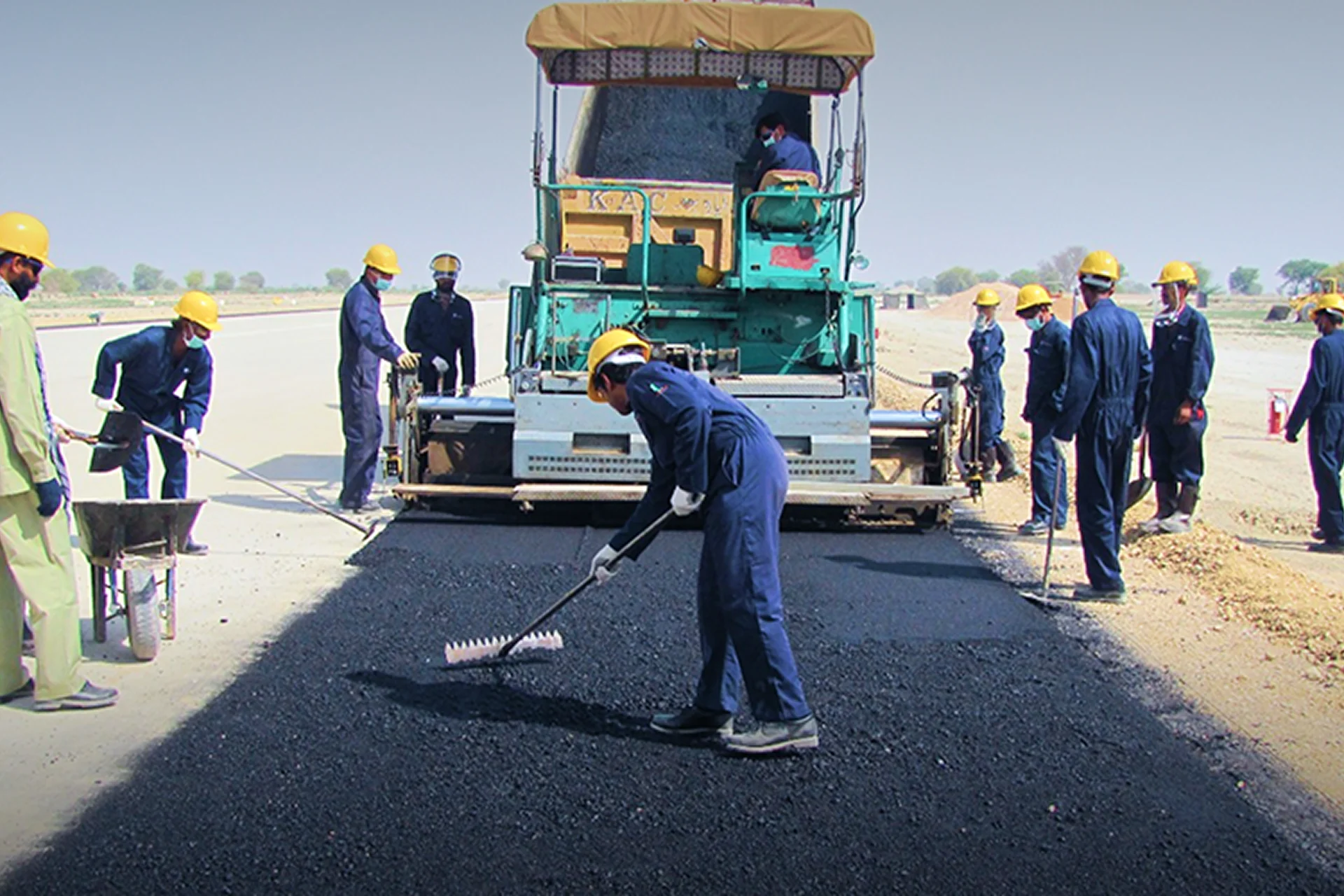
Phase 4: Finishing and handover. After sensors and cables are laid, the contractor paves the final asphalt layer. They ensure that manhole covers and access boxes are flush with the road surface. They also provide as‑built drawings (digital) showing exact locations of every conduit and sensor. These drawings are essential for future maintenance.
The civil engineering contractor Pakistan does not install the electronics. That is done by IT specialists. But without the civil works, the electronics have no home. This is why contractors are indispensable.
Our infrastructure works page highlights similar coordination on port and grid projects. The same principles apply to smart cities.
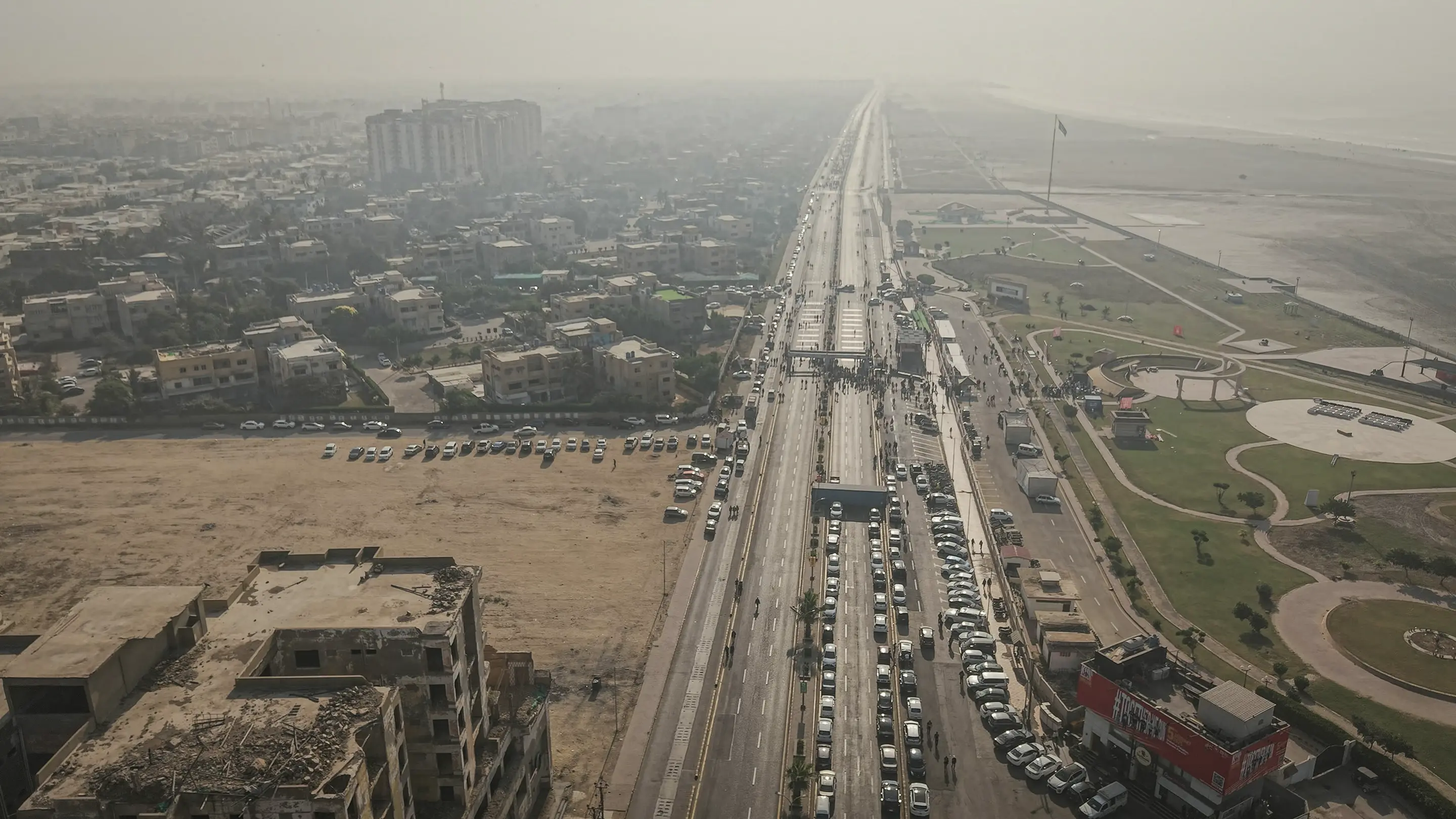
Several smart infrastructure projects are underway. A civil engineering contractor Pakistan is central to each.
Islamabad Smart City. This private scheme includes smart traffic management and automated metering. The contractor installed underground fibre ducts, sensor mounting points, and a central command centre foundation.
Lahore Safe City. Thousands of cameras and sensors manage traffic. Contractors laid hundreds of kilometres of fibre optic cable under sidewalks and built camera pole foundations. Our portfolio of infrastructure projects includes similar utility corridor works.
Karachi's adaptive traffic signals. Several intersections use induction loops embedded in asphalt. A contractor with precision cutting and grouting experience is required. Mistakes cause traffic jams.
Motorway M‑2 intelligent transport system. Variable message signs and speed cameras required underground power and data cables along the median. The Pakistan Engineering Council (PEC) has issued guidelines for such works.
These examples prove smart infrastructure is happening. Contractors who understand the nuances win specialised tenders.
The civil engineering contractor Pakistan also manages local challenges. In old city areas, trenching requires archaeological sensitivity. In coastal Gwadar, salt‑resistant conduits and stainless steel hardware are mandatory. Our quality assurance system includes material selection for such environments.
Security also matters. Smart cameras can be vandalised. Contractors design tamper‑proof enclosures and coordinate with law enforcement.
If you are planning a smart project, look for these qualities in a civil engineering contractor Pakistan.
Ask for prior experience with sensor or utility installations. Standard road contractors may not understand conduit depth tolerances. The QICT port expansion included automated gate systems requiring such precision.
Check coordination ability. Smart projects involve IT integrators, sensor suppliers, and utilities. Ask how they managed interfaces.
Verify digital drawing capabilities. As‑built drawings must be in CAD or BIM. Our technology page highlights our digital documentation.
Review safety records. Working near live traffic requires strong safety culture. Our safety milestones demonstrate this.
Ask for references from smart project clients. Call managers of Safe City Lahore or Islamabad Smart City. They will confirm which contractors delivered on time.
By following this checklist, you will select a contractor who turns digital plans into physical reality.

Smart infrastructure is not about gadgets. It is about integrating technology into the physical fabric of cities. A civil engineering contractor Pakistan plays an essential role: they build the ducts, foundations, and pavements that house sensors and cables. Without precise civil works, the smartest software is useless.
Pakistan is already investing in smart elements: Lahore Safe City, Islamabad Smart City, and motorway ITS. The demand for contractors with specialised skills will only grow. For clients, the message is to treat smart infrastructure as a specialised discipline, not an add‑on to a road project. For contractors, the message is to invest in training, digital tools, and quality systems.
To see how AMCORP delivers infrastructure that is ready for smart technology, explore our EPC projects portfolio and our structural building works. The future of Pakistan's cities depends on getting the basics right, and that starts with the right civil engineering partner.

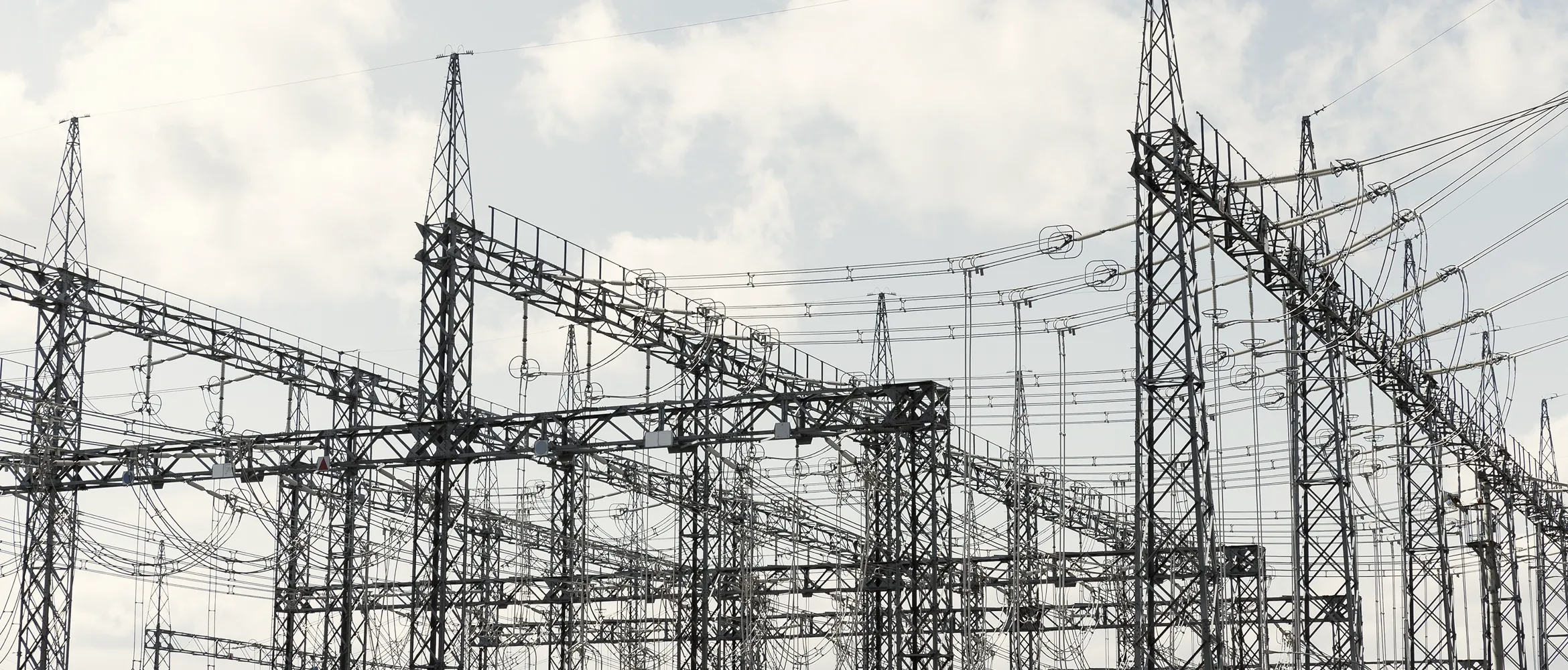
What the civil scope on a grid station covers in Pakistan, why tolerances are tighter than most building work, and where these projects typically run into trouble.