



.webp)




Where Pakistan's Construction Materials Come From, and Why It Matters
Read more


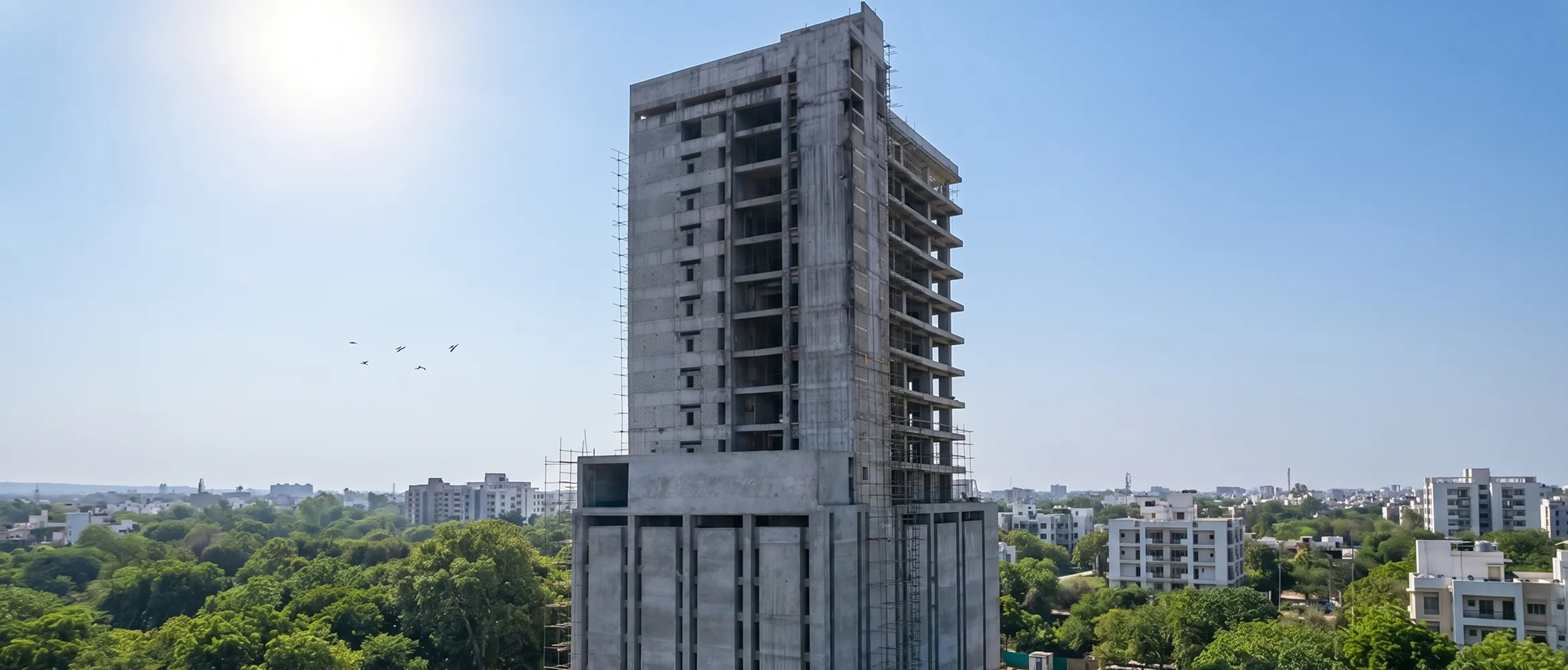
Building a residential tower is nothing like constructing a single‑storey house or even a five‑storey apartment block. High‑rise construction demands specialised techniques: deep foundations to handle heavy loads, high‑strength concrete frames, precise elevator shaft alignment, and wind‑resistant facade systems. In Pakistan, where the skyline of every major city is growing taller, the demand for genuine high‑rise specialists has never been greater.
But not every contractor that claims to build towers actually has the expertise. Many firms advertise multi‑storey experience but have only ever worked on low‑rise buildings. The best construction companies in Pakistan for residential towers share common traits: they own or have access to tower cranes, concrete pumps, and slipform equipment; they employ structural engineers with high‑rise design experience; and they have a proven track record of completing towers above 15 storeys.
This blog helps you separate the true specialists from the pretenders. You will learn what technical capabilities to look for, which projects demonstrate real expertise, and how to evaluate a contractor's high‑rise credentials. For an overview of AMCORP's capabilities in structural works, visit AMCORP's homepage.
The best construction companies in Pakistan for residential towers excel in four critical areas.
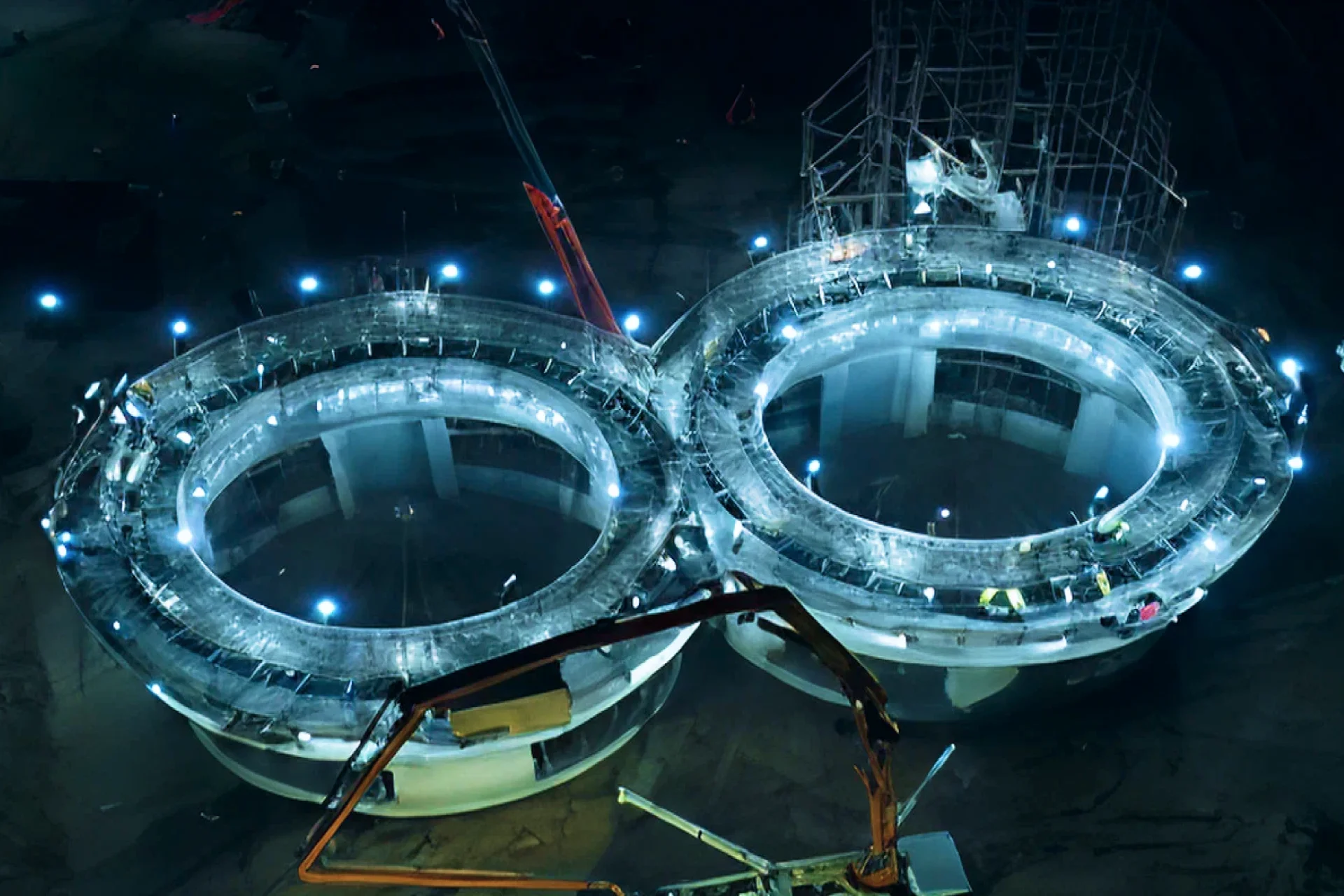
1. Deep foundation and piling. A 20‑storey tower exerts enormous pressure on the ground. Standard spread footings are not enough. High‑rise specialists use bored cast‑in‑situ piles, often extending 20 to 30 metres deep. They also perform pile load tests to verify capacity. Without proper piling, the building can settle unevenly, causing cracks in walls and misaligned lifts. You can see examples of such piling work in projects like The View Tower piling and Panorama Tower piling, where specialised rigs were used.
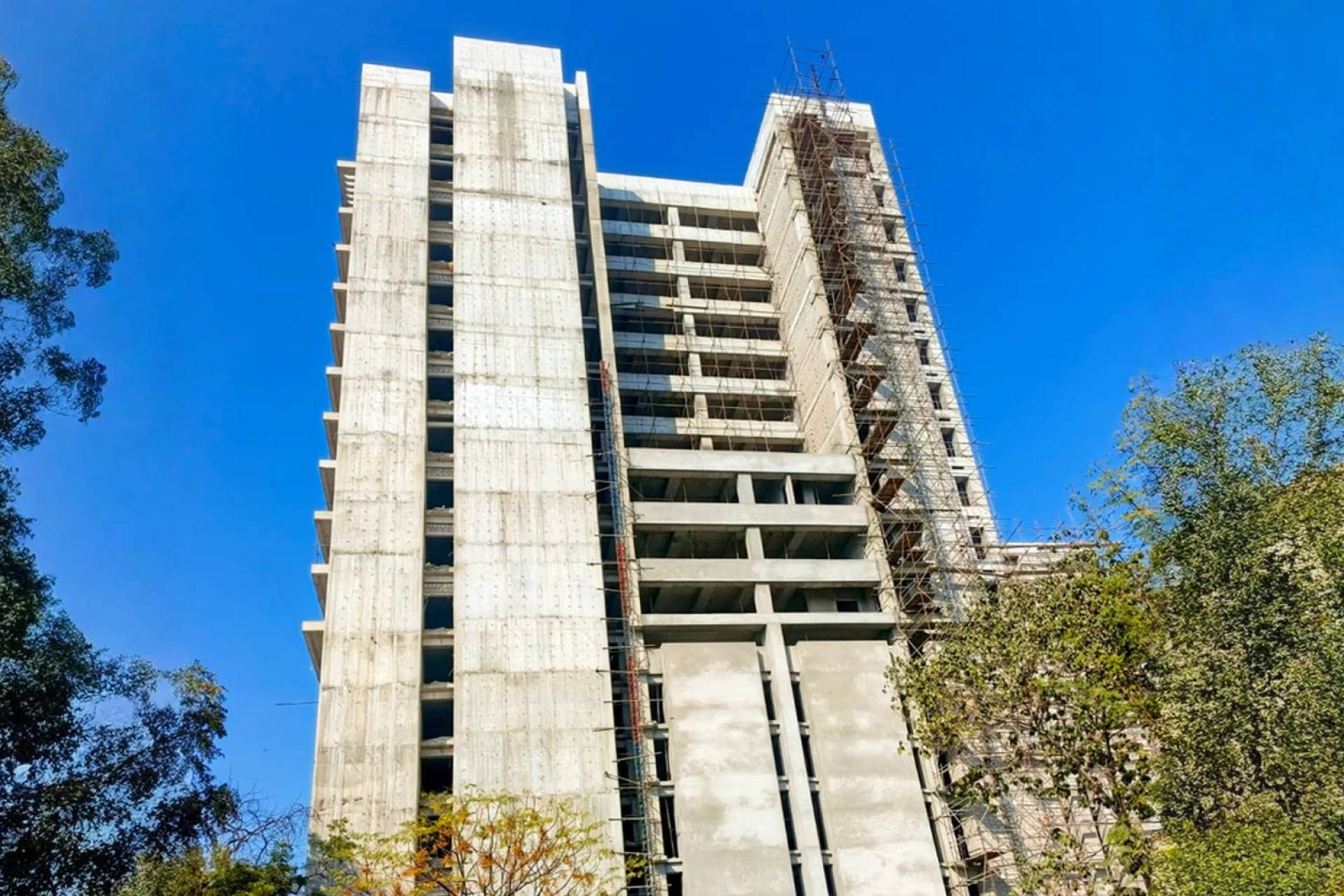
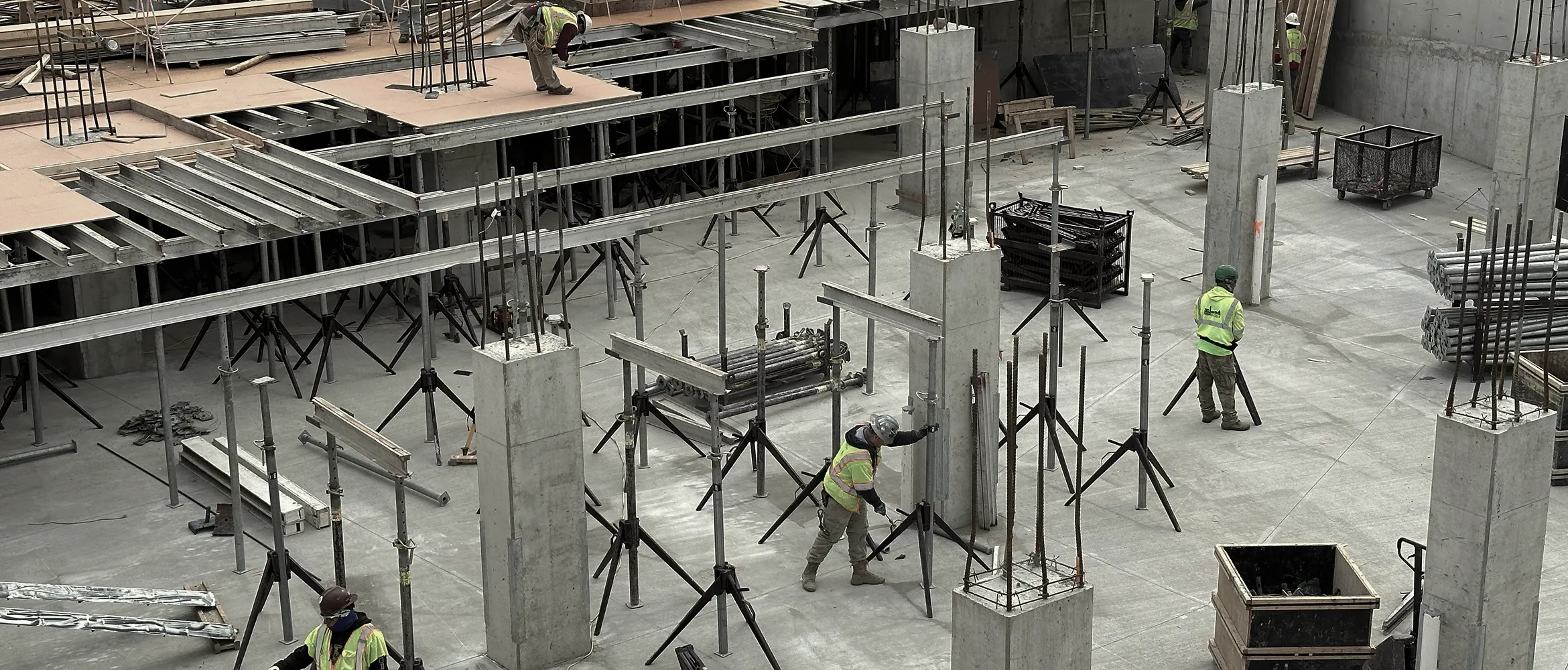
2. High‑strength concrete frame construction. Residential towers require concrete grades of C30 to C50 or higher. The contractor must have concrete batching plants on site or reliable ready‑mix suppliers with quality control. They also need concrete pumps capable of reaching the top floors. The formwork system, whether traditional timber or modern aluminium, must be engineered for rapid, safe erection. Leading contractors maintain a structural building works portfolio that demonstrates repeated success with such frames.
3. Elevator and MEP coordination. Lifts, electrical risers, plumbing stacks, and HVAC ducts all run vertically through the building. Their shaft dimensions and locations must be planned from the start. A high‑rise specialist coordinates with elevator suppliers early, ensuring that the shaft tolerances are within millimetres. Mistakes here can render lifts inoperable.
4. Facade and finishing at height. Installing curtain walls, glazing, or cladding on a tall building requires suspended scaffolding, bosun chairs, or even mast climbers. Safety is paramount. The contractor must have a detailed facade installation plan and a robust safety approach. Without it, workers and pedestrians below are at risk.
These four capabilities are non‑negotiable. A contractor that cannot demonstrate all of them is not a high‑rise specialist.
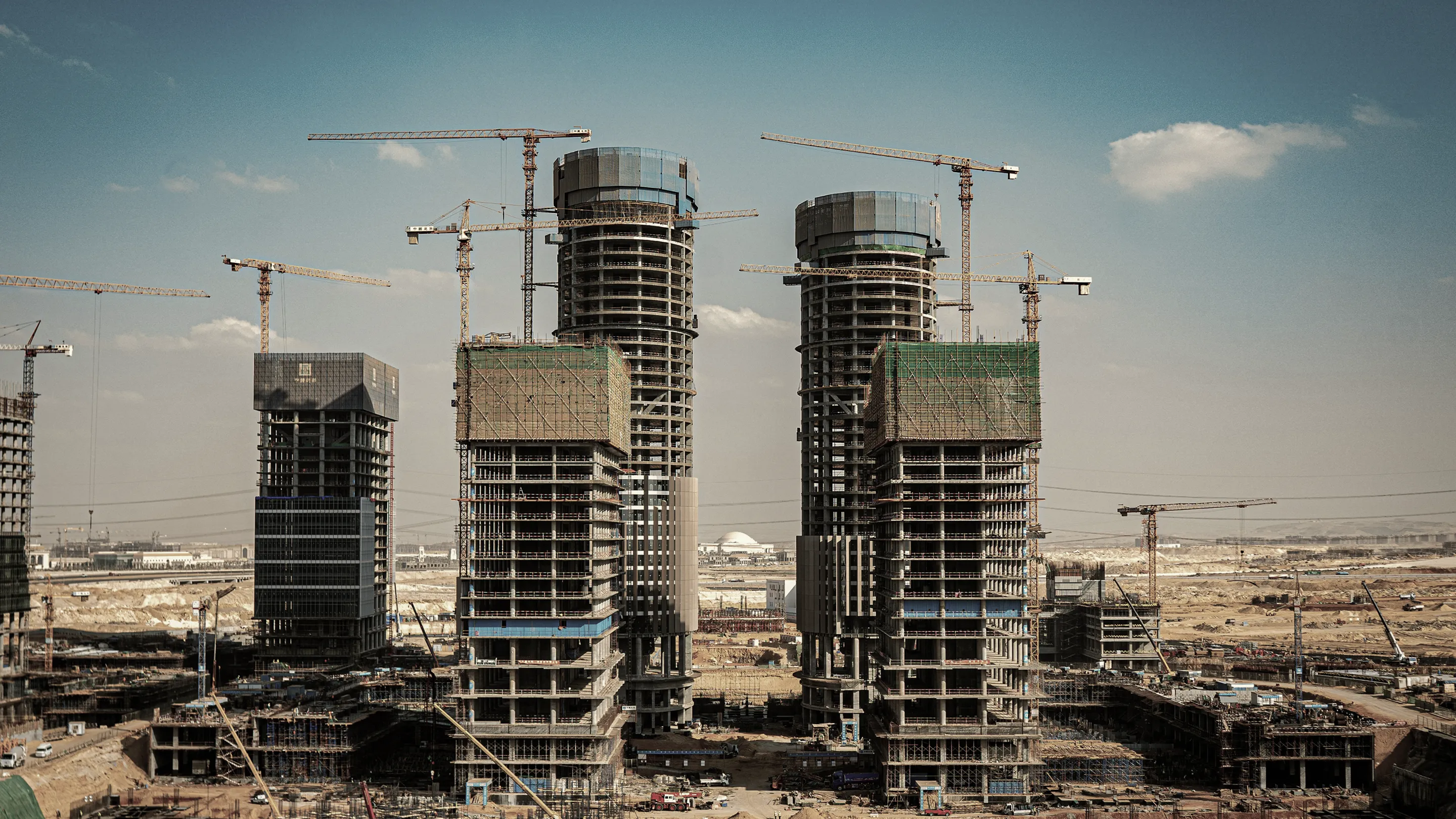
The best construction companies in Pakistan back up their claims with completed projects. Here are two real examples from AMCORP's track record.
ABL Lahore High‑Rise. This project involved constructing a multi‑storey commercial and residential tower in the heart of Lahore. The scope included deep piling, a reinforced concrete frame, floor slabs, and finishing works. The contractor coordinated with elevator suppliers, MEP engineers, and facade subcontractors to deliver a building that now stands as a landmark. For details, see the ABL Lahore High‑Rise project. This project demonstrates the ability to manage complex high‑rise logistics in a congested urban environment.
ABL Khayaban‑e‑Tanzeem, Karachi. Another example of high‑rise expertise is the ABL Khayaban Tanzeem project in Karachi. This multi‑storey commercial building required careful sequencing of concrete pours, tower crane placement, and material hoisting. The project was completed on schedule, with all safety milestones met.
These projects are part of a larger portfolio of structural building projects that includes various high‑rise and mid‑rise residential and commercial towers. When evaluating a contractor, ask for a similar list of completed high‑rise projects. If they cannot show at least three towers above 12 storeys, keep looking.
The Council on Tall Buildings and Urban Habitat (CTBUH) maintains global standards for high‑rise construction. While not all contractors follow these, the best ones are familiar with CTBUH guidelines and apply them voluntarily. Similarly, the Pakistan Engineering Council (PEC) requires contractors to have appropriate categories for high‑rise work, typically C‑2 or higher for towers above 15 storeys.
Building residential towers in Pakistan comes with unique hurdles. The best construction companies in Pakistan for high‑rise work have learned to overcome them.
Urban site constraints. High‑rises are built in dense cities where space is tight. Material storage, crane placement, and concrete truck access become major challenges. Top contractors use just‑in‑time delivery, negotiate with local authorities for road closures, and sometimes use concrete pumps with long booms to reach from outside the site.
Utility coordination. Power outages during concrete pours can ruin a slab. High‑rise specialists keep backup generators on site. They also coordinate with K‑Electric, LESCO, or other utilities well in advance to ensure uninterrupted power for tower cranes and hoists.
Labour skills. High‑rise construction requires formwork carpenters, steel fixers, and concrete finishers who understand working at height. Many contractors rely on temporary labour who may not have the necessary training. Leading firms maintain core crews and provide ongoing training. Our career development programmes focus on upskilling workers for high‑rise safety and quality.
Safety culture. A fall from the 15th floor is fatal. The best contractors implement strict fall protection: guardrails, safety nets, and personal harnesses with tie‑off points. They conduct daily toolbox talks focused on working at height. Without this culture, high‑rise construction is too dangerous.
Material quality control. In Pakistan, cement and steel quality can vary. High‑rise specialists test every batch of concrete for slump and compressive strength. They also source steel from mills with valid PEC certification. Our quality management system includes on‑site labs for real‑time testing.
When you interview a high‑rise contractor, ask specific questions about these local challenges. How do they handle power outages during concrete pours? What is their fall protection policy? Where do they source high‑strength concrete? The answers will reveal whether they are true specialists or generalists trying to fake it.
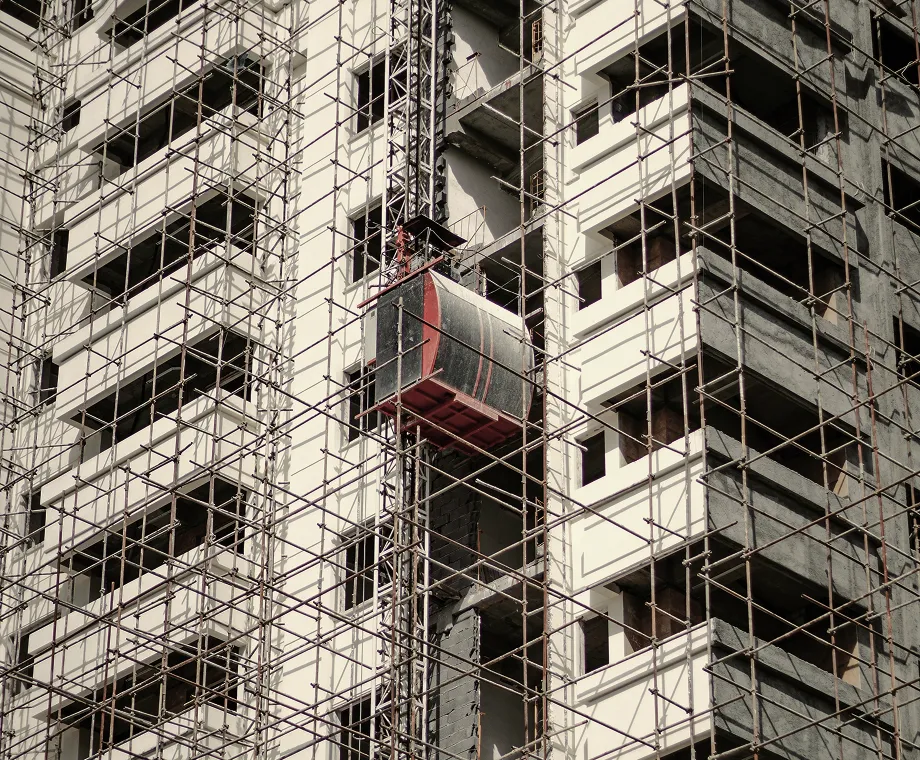
Selecting the best construction companies in Pakistan for a residential tower is a high‑stakes decision. Do not rely on glossy brochures. Ask for proof of deep foundation experience, high‑strength concrete work, elevator coordination, and facade installation. Visit completed towers. Check safety records. Verify PEC category. And listen carefully to how they describe overcoming Pakistan's specific challenges.
A true high‑rise specialist will speak confidently about piling rigs, concrete pump capacities, slipform systems, and fall arrest plans. A pretender will give vague answers and change the subject.
Your residential tower will stand for decades. Choose a contractor who has built towers that still stand strong. For more examples of high‑rise and structural building projects completed by a firm with genuine expertise, explore the complete portfolio.

What a construction company profile should contain, how clients read it during prequalification, and the common gaps that cost contractors work before evaluation begins.