




.webp)




Construction Company, Contractor, or Developer: What Each One Actually Means
Read more


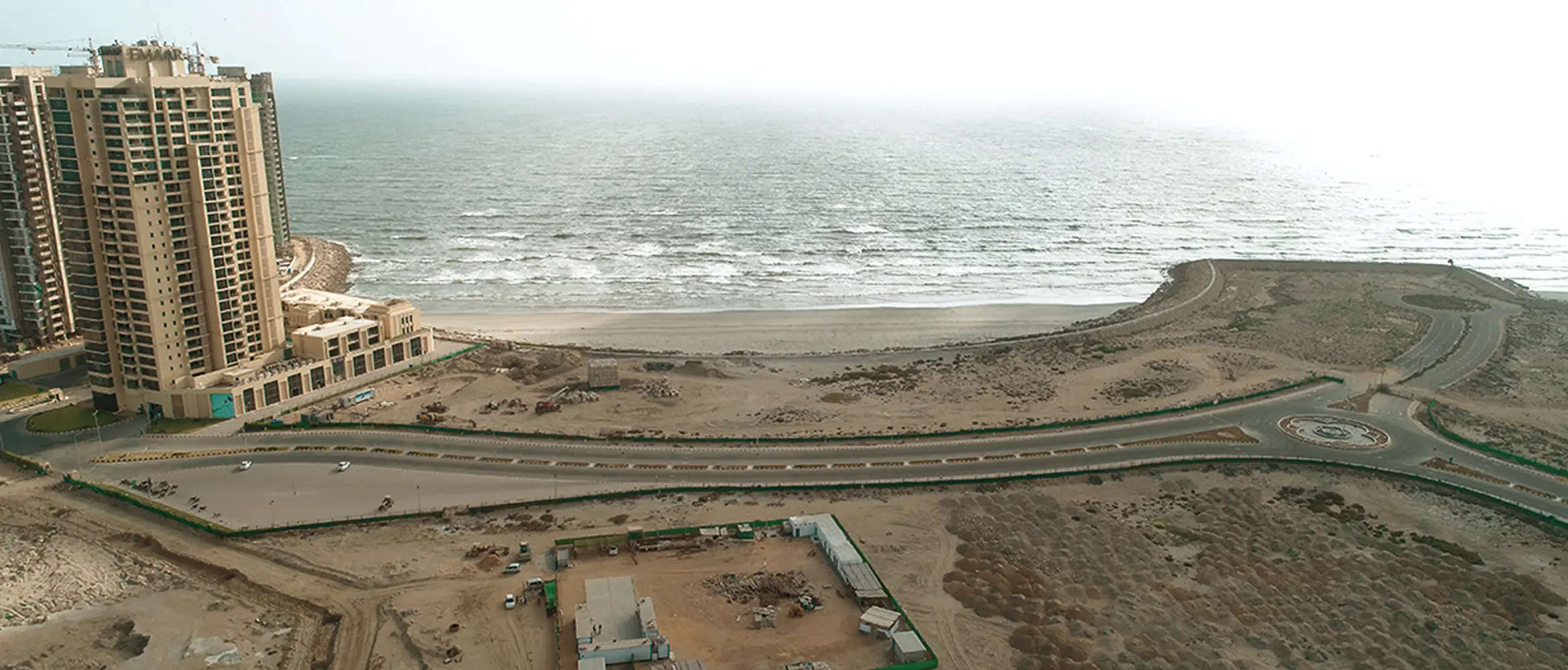
Pakistan's construction sector is growing faster than most people outside the industry realise. New ports, high-rise towers on reclaimed land, grid stations funded by international bodies, and gas plants built in remote desert terrain; these are not small undertakings. Yet when we look honestly at how the biggest construction companies in the world operate, there is a clear gap between global standards and local practice that Pakistan's contractors cannot afford to ignore much longer.
The gap is not about resources or ambition. Pakistani contractors have proven they can mobilise fast, work in extreme conditions, and deliver under pressure. The gap is about systems, specifically how top construction companies in the world plan, manage risk, integrate engineering with construction, and build institutional knowledge that outlasts any single project.
That is what this blog is about. Not a ranking of the biggest construction companies, but the specific practices behind their scale that Pakistan can actually apply.
The largest construction firms in the world, operating across infrastructure, energy, and urban development, share common operational disciplines that explain their scale. These are not secrets. They are documented, repeatable practices that any serious contractor can adopt.
Big construction companies invest heavily in the period before mobilisation. Design reviews, constructability assessments, supply chain mapping, and risk registers are completed before a single machine moves. This is why their projects absorb disruption without collapsing. When COVID hit global supply chains in 2020, the contractors who survived with timelines intact were the ones who had already mapped alternatives.
Top construction companies in the world document everything. Processes, inspection formats, material certifications, daily reports, and lessons learned are institutionalised across every project. When a senior engineer leaves, the knowledge stays. This is the foundation of ISO 9001 quality frameworks, and it is what separates firms that scale from firms that stall.
Engineering, Procurement, and Construction under one roof is not just a contract model. In the hands of the biggest construction companies, it is a delivery philosophy. Engineering decisions are made with construction realities in mind from day one. Procurement is sequenced against site readiness. Nothing moves in isolation.
Lost Time Incidents are tracked, reported, and used to improve processes. Zero-incident targets are not slogans. They are engineered outcomes through toolbox talks, permit systems, and hazard identification embedded in the daily site rhythm.
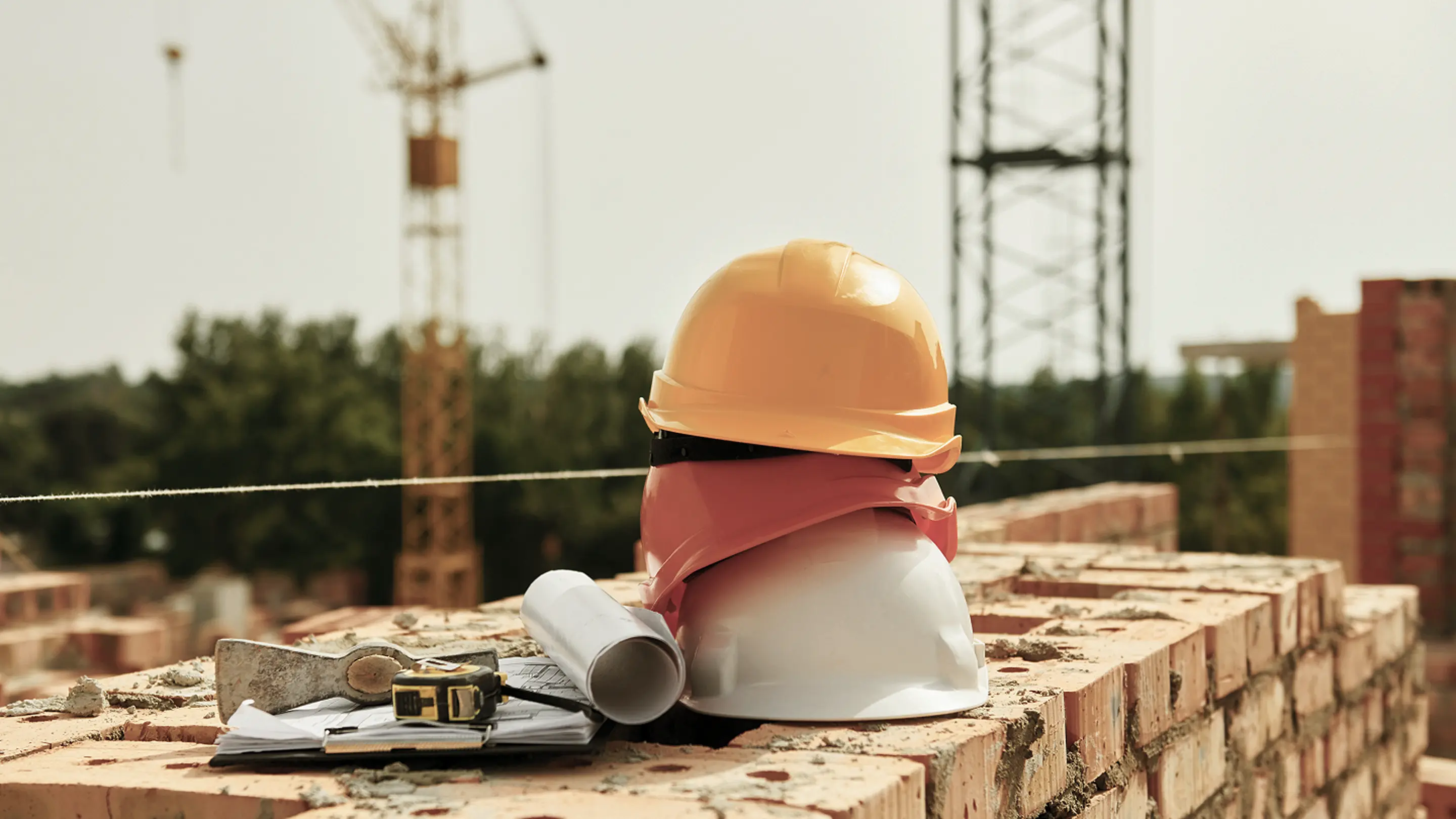
Pakistan has produced genuinely world-class project outcomes. The challenge is that these outcomes have often been delivered despite the system rather than because of it.
Contractors working on USAID and JICA-funded school programmes in Sindh and KPK had to meet international reporting and quality standards that most local firms had never encountered. Those who adapted built capabilities that made them stronger on every subsequent project. Those who treated compliance as a burden missed the opportunity entirely.
The same pattern plays out on energy sector projects. Civil works for gas plants, grid stations, and solar facilities funded by KfW, World Bank, or other international bodies come with stringent HSE and quality requirements. Contractors who build internal systems to meet those requirements consistently win repeat work from the same clients. Those who wing it project by project never develop the institutional depth that creates long-term client relationships.
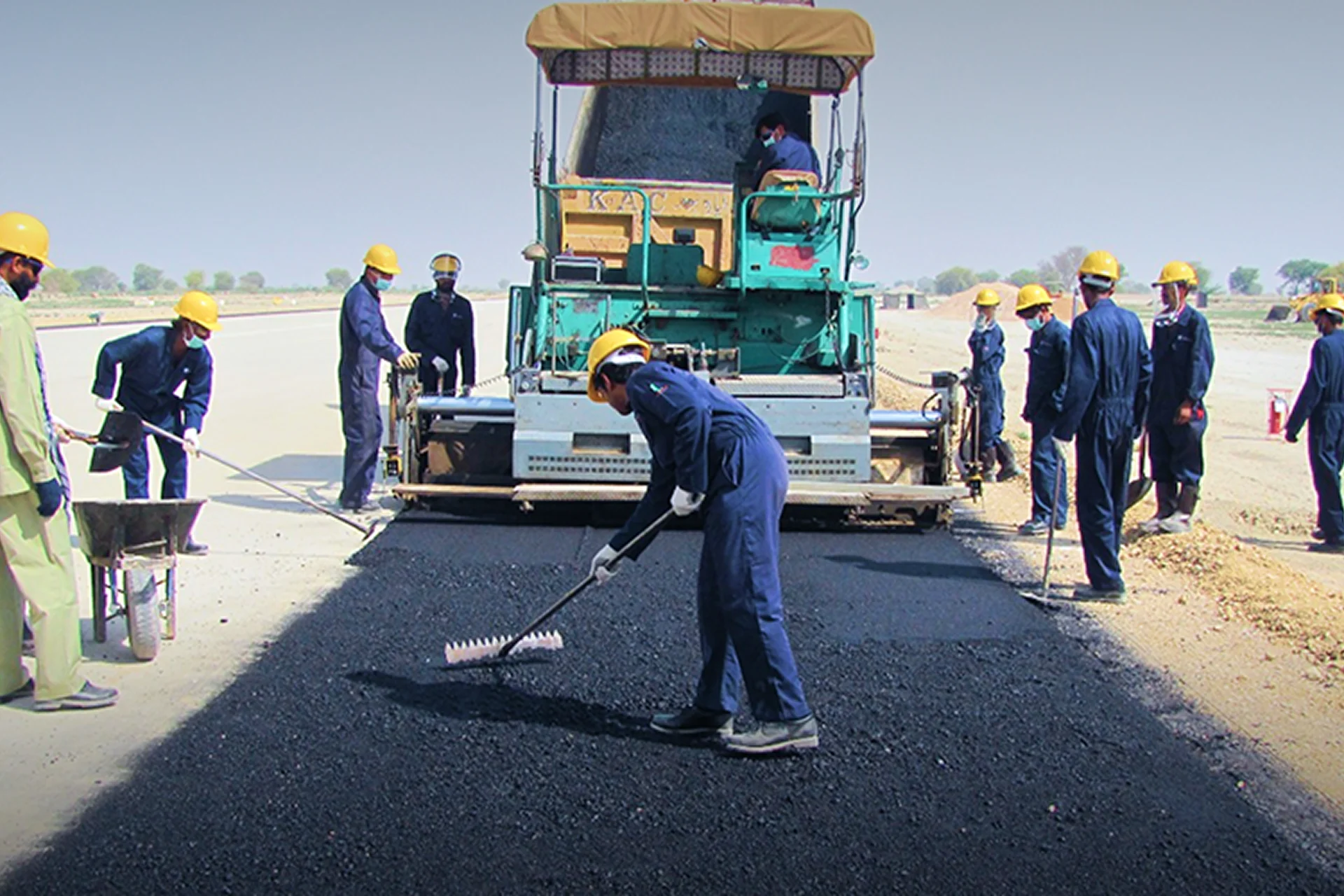
Remote site execution is another area where Pakistan's best contractors already match global standards in practice, but rarely document it well enough to prove it. Working in 45-degree heat in the Thar Desert, rebuilding a flood-demolished airstrip in 70 days, laying 250 kilometres of access roads through rocky Sindh terrain, these are legitimate world-class achievements. The problem is that without formal documentation and structured knowledge capture, that experience lives in people rather than in the organisation.
The contractors in Pakistan who are closing this gap share specific characteristics. They have invested in formal quality management systems. They track HSE performance across every site. They deploy resident engineers on complex projects rather than relying solely on site supervisors. They build long-term relationships with specialist consultants for disciplines outside their core expertise, bringing in subject matter experts for ground improvement, geotechnical design, or marine engineering when the project demands it, rather than attempting everything in-house unprepared.
On the QICT Berth Expansion at Port Qasim, ground improvement across 28 acres of coastal land required expertise that did not exist in Pakistan's local contractor market at the time. Rather than pretending otherwise, the right approach was to engage Fugro Dubai for geotechnical design and Menard Egypt for specialist equipment, while managing the full delivery locally. That combination of international expertise and local execution is exactly how the biggest construction companies in the world operate on every project. They know what they own and they know what to bring in.
Pakistan's construction sector does not need to replicate the scale of the world's largest construction firms overnight. It needs to replicate their discipline.
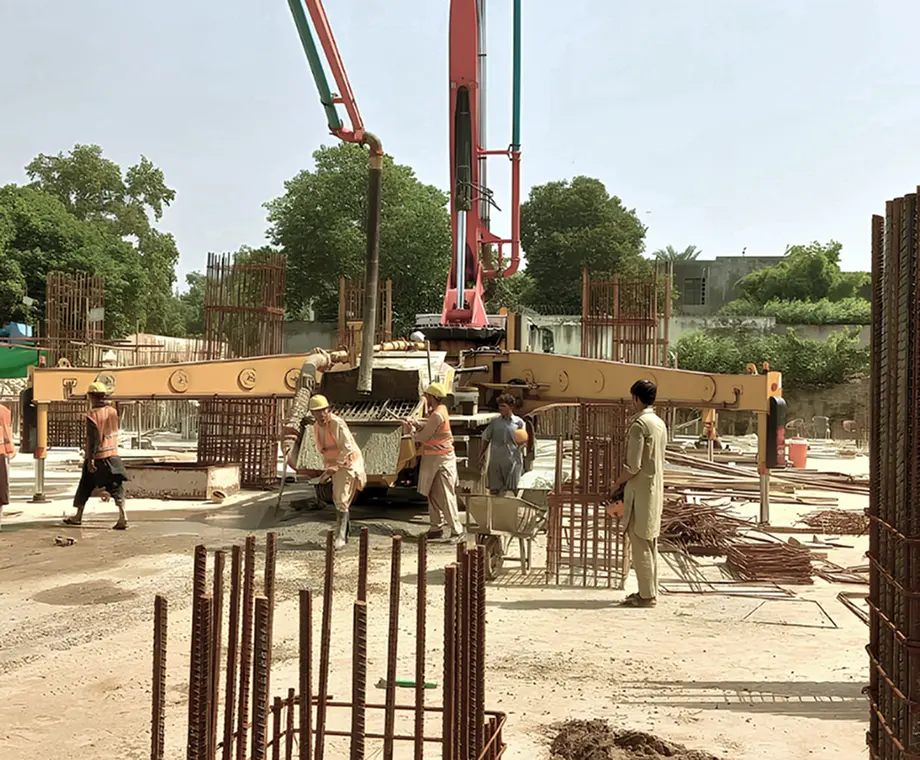
The biggest construction companies in the world are not bigger simply because they have more equipment or more people. They are bigger because they have built organisations that learn, document, and improve across every project cycle. A project completed in Karachi in 2010 makes a project in Lahore in 2020 easier to deliver, because of the lessons learned with the organisation.
That is the real lesson Pakistan's construction sector can take from the top construction companies in the world. Scale is a byproduct of discipline. The contractors who will define Pakistan's infrastructure over the next two decades are the ones building those systems right now, on the sites they have today.
The job in front of you is always the most important one you have ever done.

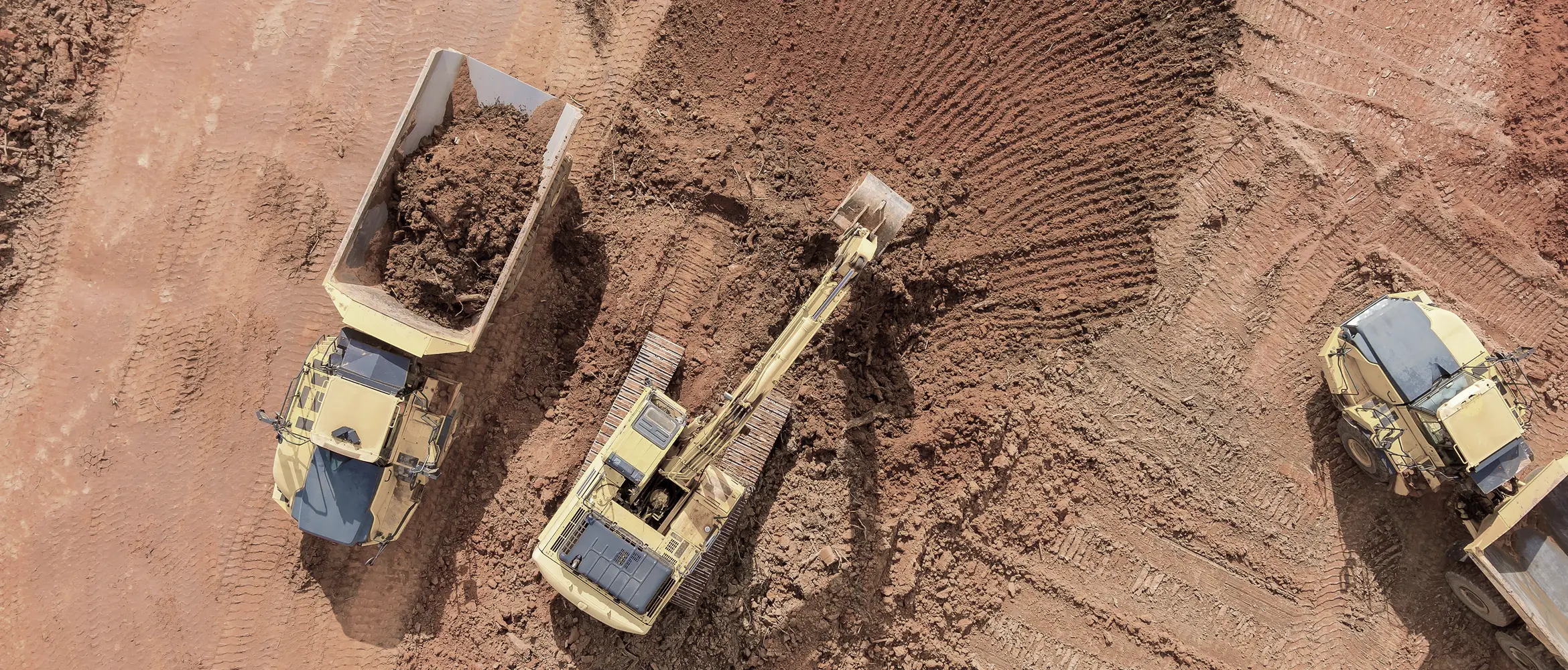
Who does what on a large construction site in Pakistan, covering project management, engineering, HSE, commercial, and support roles, and how the reporting lines connect.