




.webp)




What a Construction Company Profile Should Actually Contain
Read more


.webp)
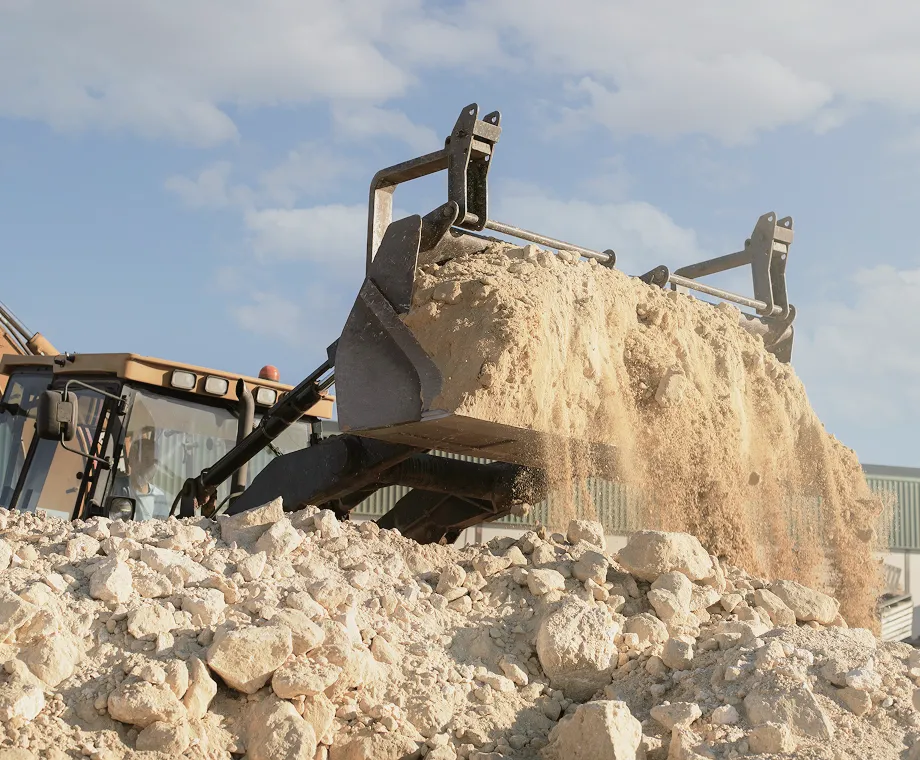
Waste is one of the most visible measures of how well a construction project is actually being managed. On the world's largest construction projects, the volumes involved are significant. Concrete off-cuts, formwork timber, packaging, excavated material, steel off-cuts, and hazardous site waste all accumulate fast across a large site. Without a structured approach, waste becomes a cost problem, a programme problem, and an environmental liability simultaneously.
The construction industry globally generates an estimated 2.2 billion tonnes of waste annually, and a significant portion of that comes from large-scale projects where material ordering, sequencing, and disposal are poorly coordinated. The contractors who manage this well are not doing anything extraordinary. They are applying discipline consistently, from planning through to project close-out, and treating waste management as a technical function rather than a housekeeping afterthought.
This blog covers how the world's leading construction companies manage waste without slowing their projects down, and what that standard looks like when applied to Pakistan's most demanding construction sites.
The most effective waste management on large construction projects happens before mobilisation, not after. Top construction companies in the world build waste reduction into the project plan at the same stage as procurement and programme sequencing, because waste that is prevented costs nothing to dispose of.
Over-ordering is one of the largest sources of avoidable waste on construction sites. Leading construction firms verify quantities against final design drawings before placing orders, not against early estimates. On large projects, the difference between an early BOQ and a final design can represent tonnes of surplus material that arrives on site with nowhere to go. Ordering to verified quantities, with controlled reorder processes for variations, is the single most effective waste reduction measure available.
Modular construction approaches, including prefabricated structural elements and precast components, reduce on-site cutting waste significantly. When columns, beams, slabs, and wall panels are cast off-site to precise dimensions, the off-cuts and waste generated in the factory environment are easier to manage and often reusable within the same production run. On-site, the installation process is cleaner, faster, and produces far less residual waste than traditional in-situ methods. The Institution of Civil Engineers documents precast and prefabrication as a core sustainable construction practice for this reason.
Big construction companies designate waste segregation zones at the site setup stage, before any construction activity begins. Separate skips or bays for concrete waste, timber, metal off-cuts, packaging, and hazardous materials are positioned relative to work fronts so that segregation happens as a matter of routine rather than a special effort. When segregation is inconvenient, it does not happen. When it is built into the site layout, it does.
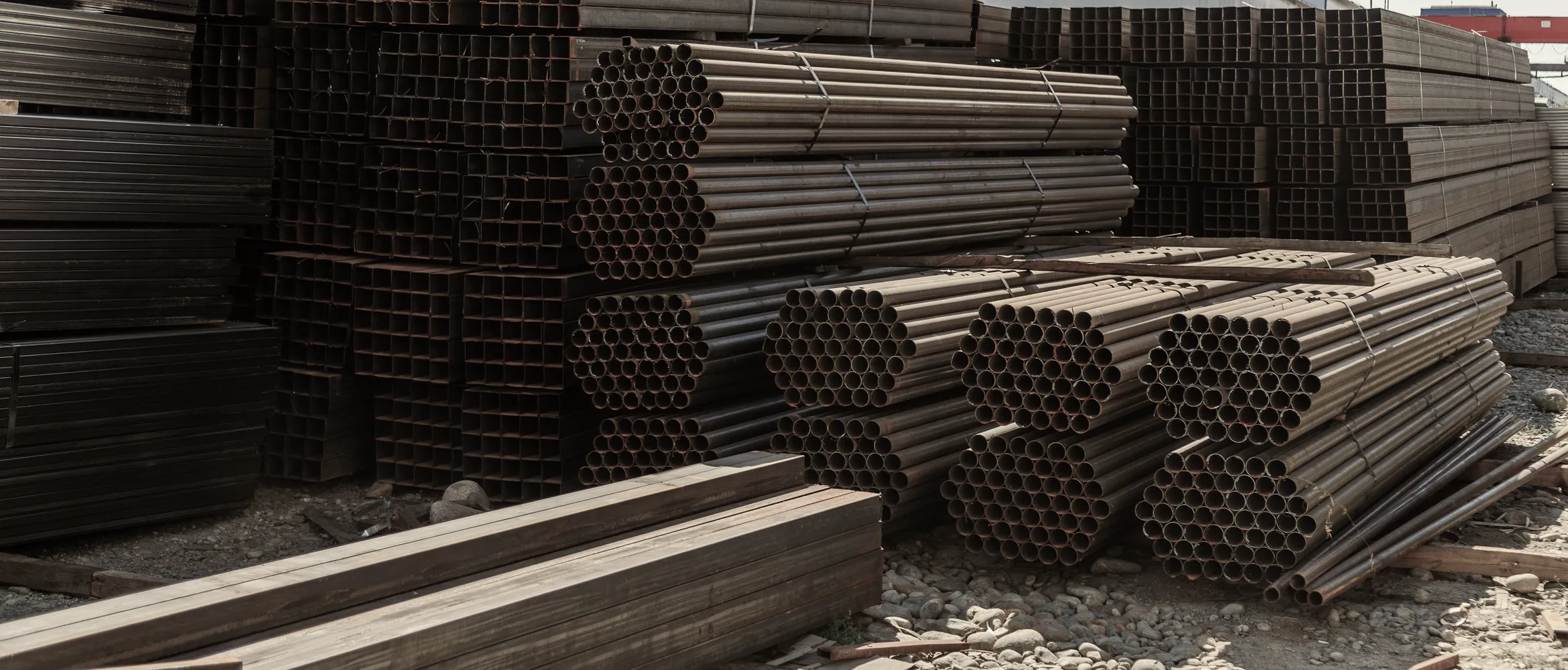
A significant proportion of construction waste on large sites comes from materials that were damaged in storage, not from the construction process itself. Cement bags left exposed to moisture, reinforcement steel stacked directly on wet ground, and ceramic finishes stored without protective wrapping all generate avoidable waste before a single component is installed. Covered, organised, and sequenced material storage is a basic discipline that the biggest construction companies treat as non-negotiable.
.webp)
The real test of any waste management system is whether it functions on a project where external disposal infrastructure is limited or absent. On urban sites in major cities, waste disposal is logistically straightforward. On remote energy projects, coastal developments, and large industrial facilities, the same discipline has to be maintained without the infrastructure that city sites rely on.
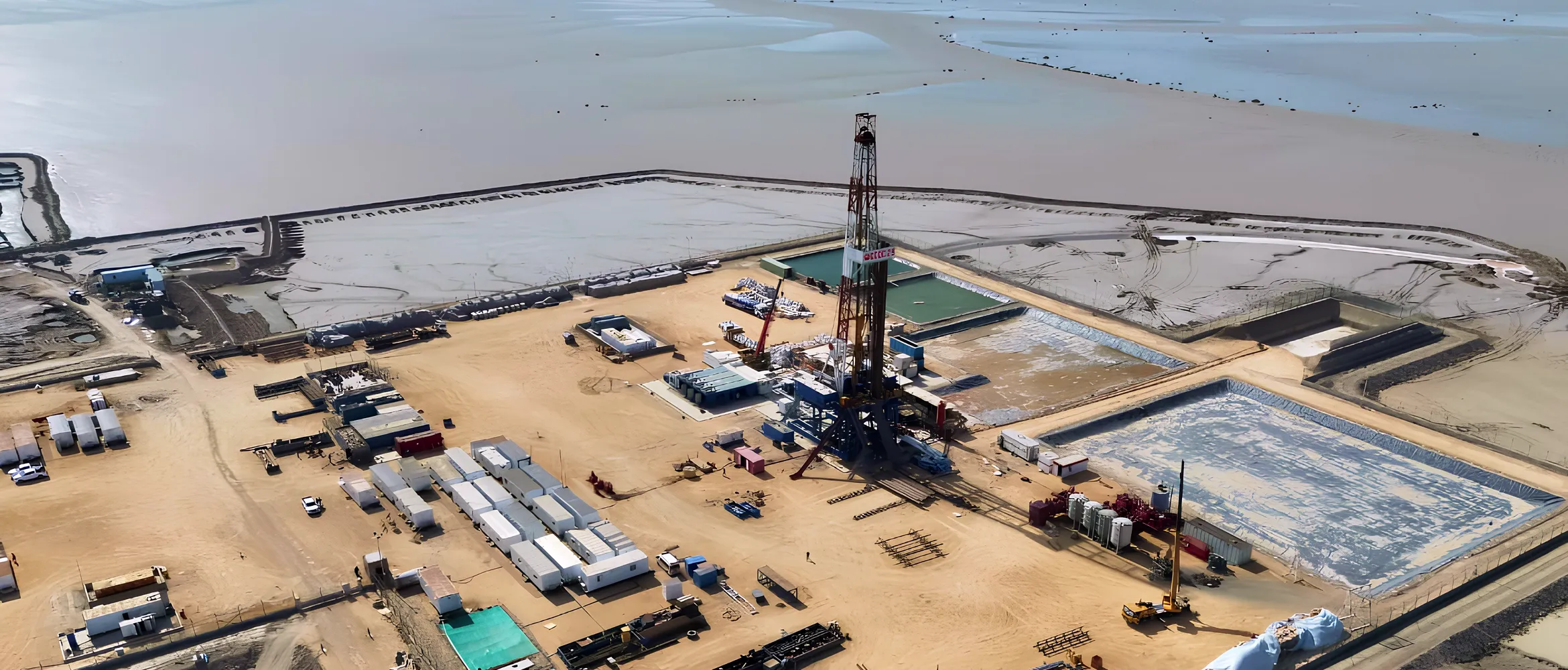
On well site construction across Sindh's remote interior and the Thar Desert, there is no municipal waste collection, no nearby recycling facility, and no established disposal chain. Waste management in those environments requires the contractor to bring the system with them. Segregated waste storage, fuel and chemical containment, controlled disposal of drilling-related materials, and site restoration to environmental standards are all planned before mobilisation and executed without external oversight. This is exactly what our exploration works portfolio has demanded across decades of remote site delivery.
On the QICT Berth Expansion at Port Qasim, waste management operated within a live, active port environment where the consequences of poor site housekeeping extended beyond the project boundary. Excavated material from ground improvement works, concrete waste from nine RCC structure buildings, PEB fabrication off-cuts, and MEP installation waste all required active management across a 28-acre site. Segregation, documentation, and disposal records were maintained throughout, in line with our ISO 14001 environmental management obligations and DP World's own environmental standards.
Precast construction on projects including the PARCO Coastal Refinery wall panels, the SECMC Coal Silo, and multiple Allied Bank branches demonstrated how off-site fabrication directly reduces on-site waste. Elements cast in a controlled yard environment, transported, and erected on site produce a fraction of the residual waste that equivalent in-situ construction generates. On the ABL Timber Market branch in the congested Saddar area of Karachi, where site space was extremely limited, this approach was not just an environmental choice. It was the only practical method available.
Pakistan's construction sector operates across environments that make waste management genuinely difficult. Remote sites far from disposal infrastructure, coastal projects with strict environmental sensitivities, urban sites with no space for waste storage, and industrial facilities with hazardous material streams all require site-specific waste management thinking rather than generic procedures applied uniformly.
The contractors who manage this consistently are the ones who treat waste as a measurable project output, not a peripheral concern. They set waste targets at the project level, track disposal volumes against those targets, and review performance in the same meetings where cost and programme are discussed. They document disposal through formal channels that satisfy client, regulatory, and certification requirements. And they apply our quality and environmental standards across every project, regardless of location or client visibility.
International clients working in Pakistan's infrastructure and energy sectors, including development body-funded programmes through USAID, JICA, and KfW, require documented environmental compliance, including waste management records, as a contractual deliverable. Contractors who have built genuine systems to meet that requirement do not just pass audits. They develop a discipline that improves their project delivery across every other environmental and operational dimension as well. For reference on international environmental management standards applicable to construction, the World Bank's environmental framework sets widely adopted benchmarks for infrastructure projects.
The state of waste management on a construction site tells you a great deal about how the rest of that site is being run. A site where waste is segregated, storage is organised, disposal is documented, and housekeeping is maintained consistently is almost always a site where quality, safety, and programme are also under control.
The largest construction projects in the world generate enormous volumes of material that have to be managed, reduced, reused, or disposed of responsibly. The contractors who do this without slowing down are not working harder on waste than everyone else. They are working smarter from the start, by planning for it, building the right systems, and making disciplined site management a standard that does not slip under pressure.
Every tonne of waste prevented is a cost saved, a disposal problem avoided, and a measure of how seriously a contractor takes the full scope of their responsibility on site.

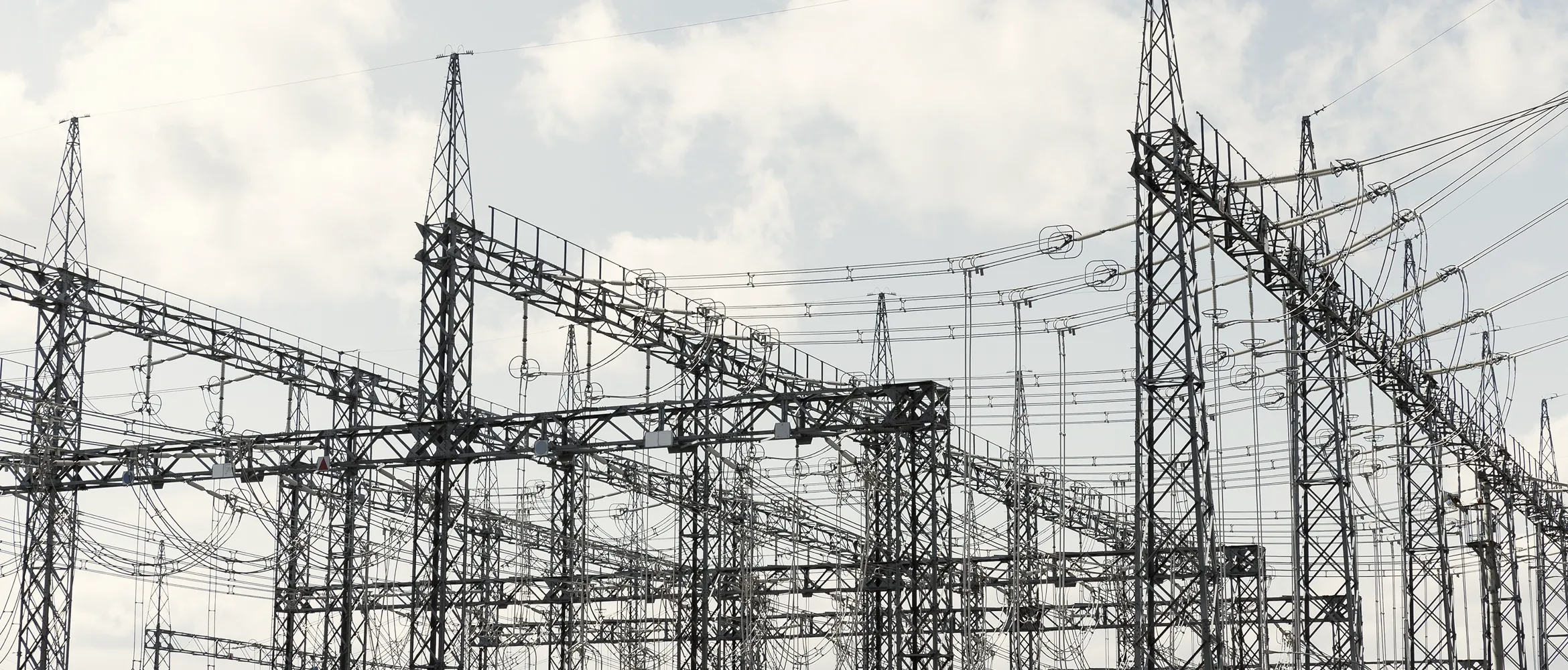
What the civil scope on a grid station covers in Pakistan, why tolerances are tighter than most building work, and where these projects typically run into trouble.