




.webp)




What a Construction Company Profile Should Actually Contain
Read more


Pakistan's construction sector is at an inflection point. Projects that would have been considered exceptional a decade ago are now being tendered as standard scope. Port expansions, high-rise towers on reclaimed land, EPC energy facilities in remote desert terrain, and grid infrastructure funded by international development bodies are no longer rare. They are the pipeline. And the contractors being trusted with them are the ones who have closed the gap between local capability and what the world's largest construction companies have practised for decades.
That gap is not about scale alone. The biggest construction companies in the world are not simply larger versions of average firms. They operate differently, plan differently, and recover from disruption differently. Understanding what they know and applying it on Pakistani ground is what separates the contractors defining this sector's next chapter from those still catching up.
This blog is about the specific disciplines behind that shift and what they look like when applied to Pakistan's most demanding projects.
The leading construction companies operating at a global scale share a set of disciplines that explain their consistency across different countries, project types, and conditions. These are not competitive secrets. They are documented, repeatable practices that any serious contractor can build into their organisation.
Top construction companies in the world do not rely on the memory of a single project director. They build systems, documented processes, inspection formats, lessons learned registers, and quality frameworks that carry knowledge from one project to the next, regardless of who is on the team. ISO 9001 quality management exists precisely for this reason. When a senior engineer moves on, the organisation does not start over. It inherits a functioning system.
The biggest construction companies invest heavily before mobilisation. Supply chain mapping, constructability reviews, risk registers, and procurement sequencing are completed before a single machine moves. This preparation is why their projects absorb disruption without collapsing. When global supply chains fractured in 2020, the firms that held their programmes together were the ones who had already identified critical path vulnerabilities and planned around them months earlier.
On the largest construction projects, engineering decisions made without construction input create problems that are expensive to fix on-site. Leading construction companies keep both disciplines genuinely integrated throughout delivery. Resident engineers resolve RFIs same-day, approve substitutions in real time, and make technically sound decisions when site conditions shift without warning. For internationally recognised standards on engineering integration in large projects, for reference, the Institution of Civil Engineers sets internationally recognised standards on this.
The world's biggest construction companies manage variations, claims, and payments through formal documented processes. Scope changes are recorded in writing before work proceeds. Claims are submitted with evidence and on time. This protects both the client and the contractor when conditions change, and something needs to be resolved commercially rather than technically.

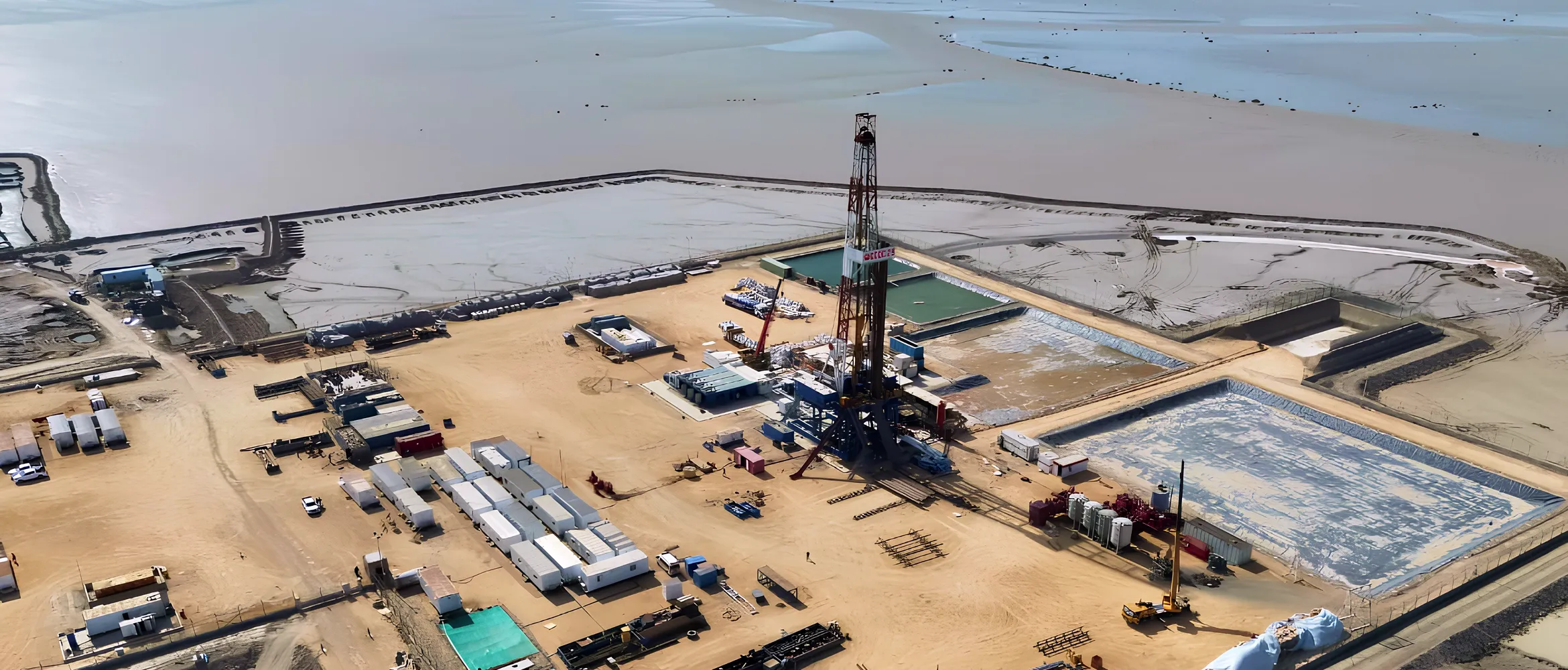
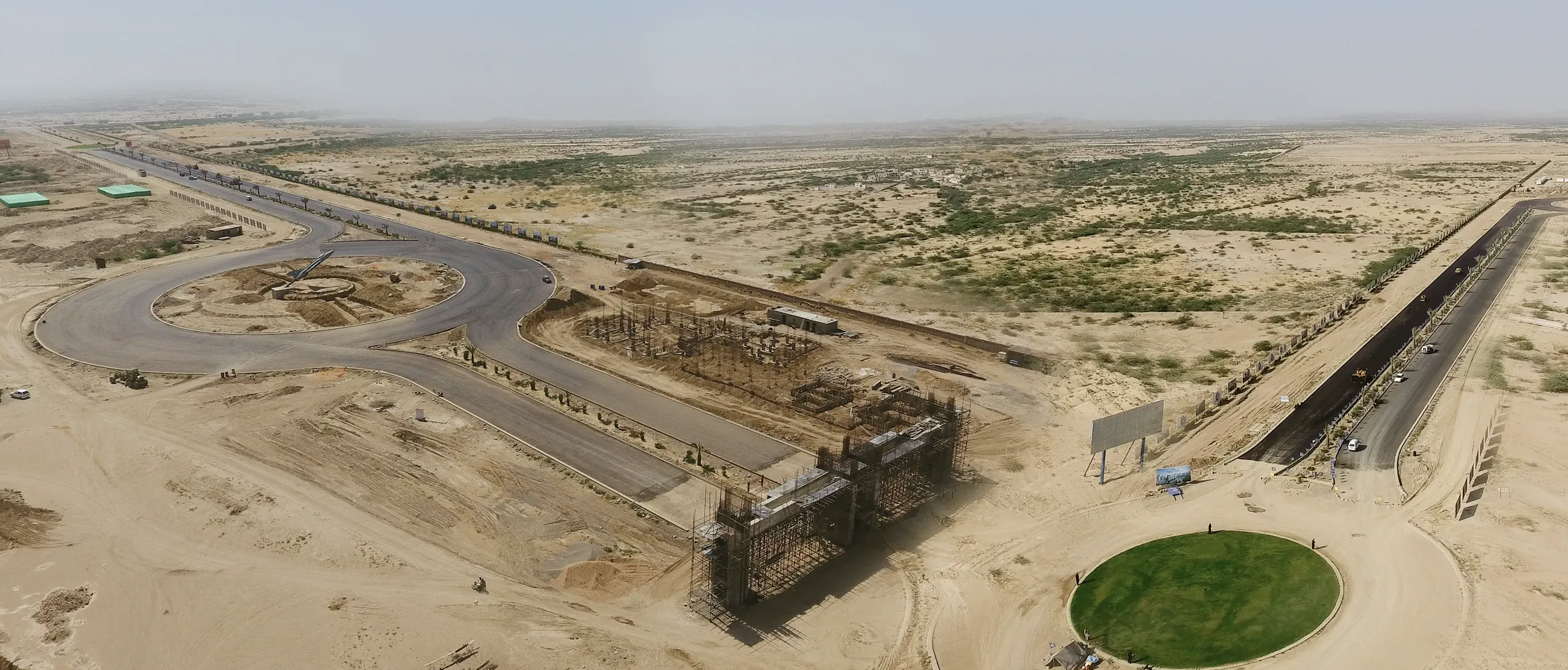
Pakistan's project landscape tests every one of these disciplines simultaneously. Coastal reclaimed land in Karachi requires deep piling, ground improvement, and geotechnical monitoring that most local contractors have never attempted. Remote E&P sites in Sindh demand self-sufficient mobilisation, heavy equipment logistics across difficult terrain, and HSE systems that function without external oversight. Grid stations and energy infrastructure funded by KfW and the World Bank arrive with quality and environmental requirements that reflect international standards, not local minimums.
The contractors succeeding consistently across these conditions are the ones who have internalised what the top construction companies in the world practise. They deploy resident engineers on complex sites rather than relying on supervisors to make technical decisions. They maintain formal variation logs and issue change requests in writing before proceeding. They bring in international specialist partners for disciplines outside their core rather than overreaching, engaging geotechnical consultants, specialist equipment suppliers, or technical designers when the project demands it.
On the QICT Berth Expansion at Port Qasim, ground improvement across 28 acres of reclaimed coastal land required expertise that did not exist in Pakistan's local contractor market. Rather than attempt it alone, Fugro Dubai was engaged for geotechnical design and Menard Egypt supplied specialist PVD installation equipment. The civil delivery, site management, HSE execution, and commercial management were handled locally. That model, international expertise integrated into local delivery, is precisely how the biggest construction companies in the world approach specialised scope on complex projects.
The civil works for the 160 MMSCFD Naimat Gas Plant in Sindh presented a different kind of test. The entire plant was fabricated in China. Over 3,000 anchor bolts had to be placed in concrete with millimetre-level precision before the equipment left the factory. Round-the-clock drawing reviews, live design revisions, and continuous engineering and construction coordination delivered the project on time. That outcome required the same integration discipline that the world's largest construction companies build into every technically demanding project they execute. For reference on managing procurement and integration within large EPC contracts, the Project Management Institute provides widely used global frameworks.
The shift happening in Pakistan's construction sector is visible in who is winning the most technically demanding projects and retaining clients across multiple contract cycles. International oil companies, development authorities, and multinational developers run rigorous prequalification processes. They do not award repeat contracts on the basis of price. They award them based on proven delivery, documented safety records, and demonstrated capability to manage complexity both commercially and technically.
Contractors who have built internal quality systems, genuine HSE cultures, and formal commercial disciplines consistently pass those prequalification processes. Contractors who have not are finding themselves excluded from the projects that define the sector's growth.
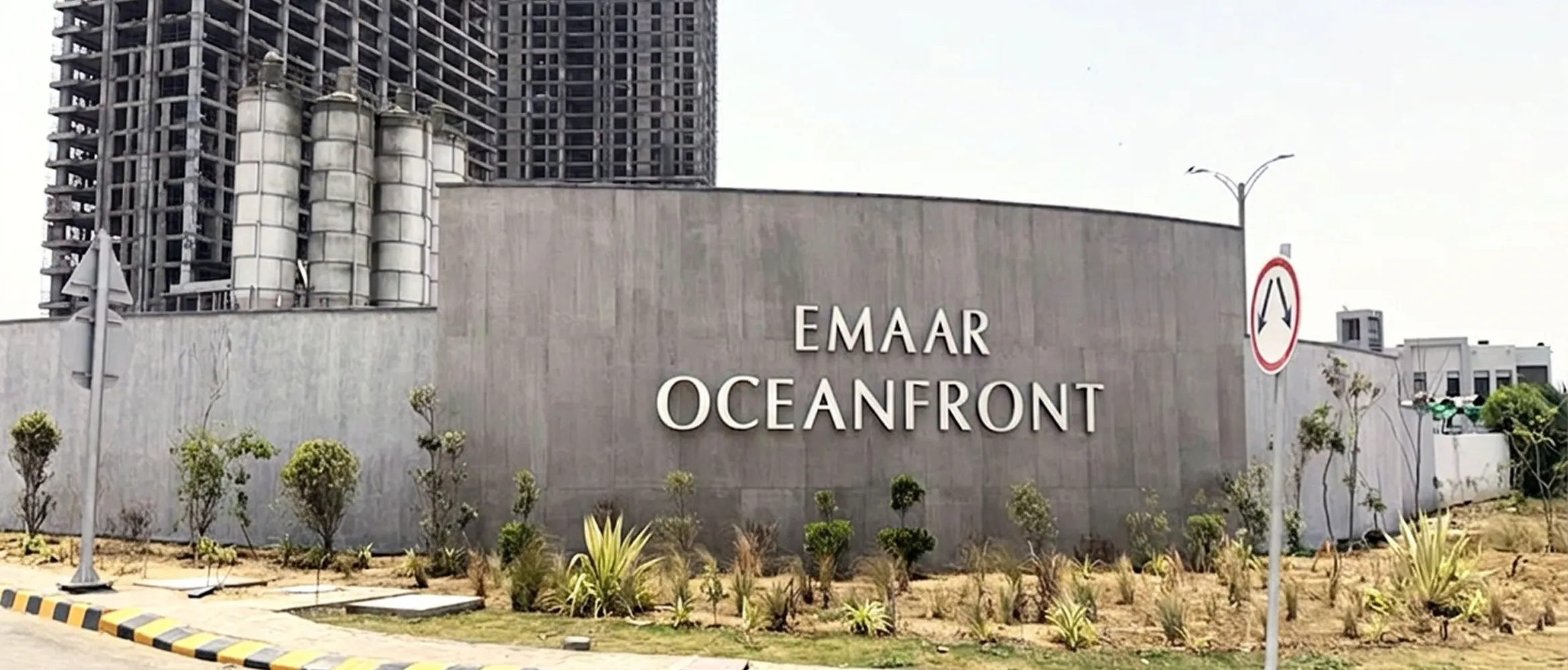
Over 50 percent of our project work comes from repeat clients. ENI and BHP brought us back across multiple contract cycles through some of Pakistan's most remote and demanding terrain. EMAAR has trusted us with consecutive packages in Karachi and Islamabad. Allied Bank has awarded branches, high-rises, and infrastructure across multiple cities. That repeat business is not built on relationships alone. It is built on clients experiencing the same disciplines that the world's leading construction companies apply, delivered consistently on Pakistani ground.
The largest construction companies in the world did not reach that position by doing exceptional work occasionally. They reached it by making disciplined delivery the standard, on every project, in every condition, without exception.
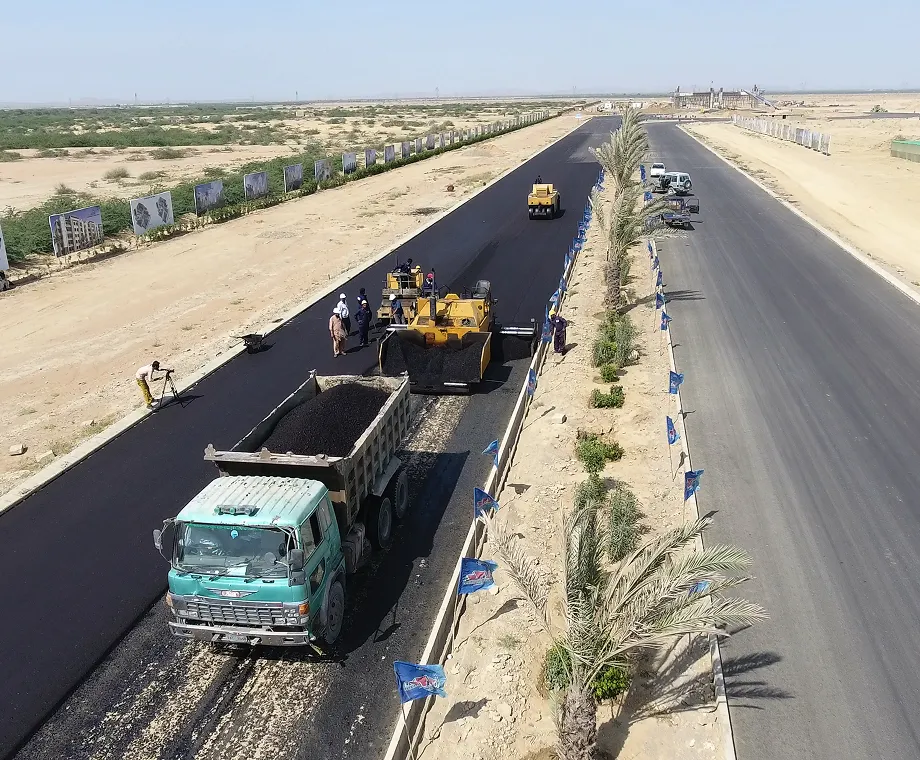
Pakistan's construction sector does not need to replicate the headcount or equipment inventory of the world's biggest construction companies. It needs to replicate their discipline, their systems, and their commitment to learning from every project rather than starting fresh with each new contract.
The evidence that this shift is underway is visible in the projects being delivered, the clients returning for more, and the standards being met on terrain and under conditions that test even the most experienced firms. The contractors leading that shift are not waiting for the sector to catch up. They are building the organisations today that will define Pakistan's infrastructure for the next fifty years.
That is what the world's largest construction companies have always understood. The job in front of you is always preparation for the one after it.

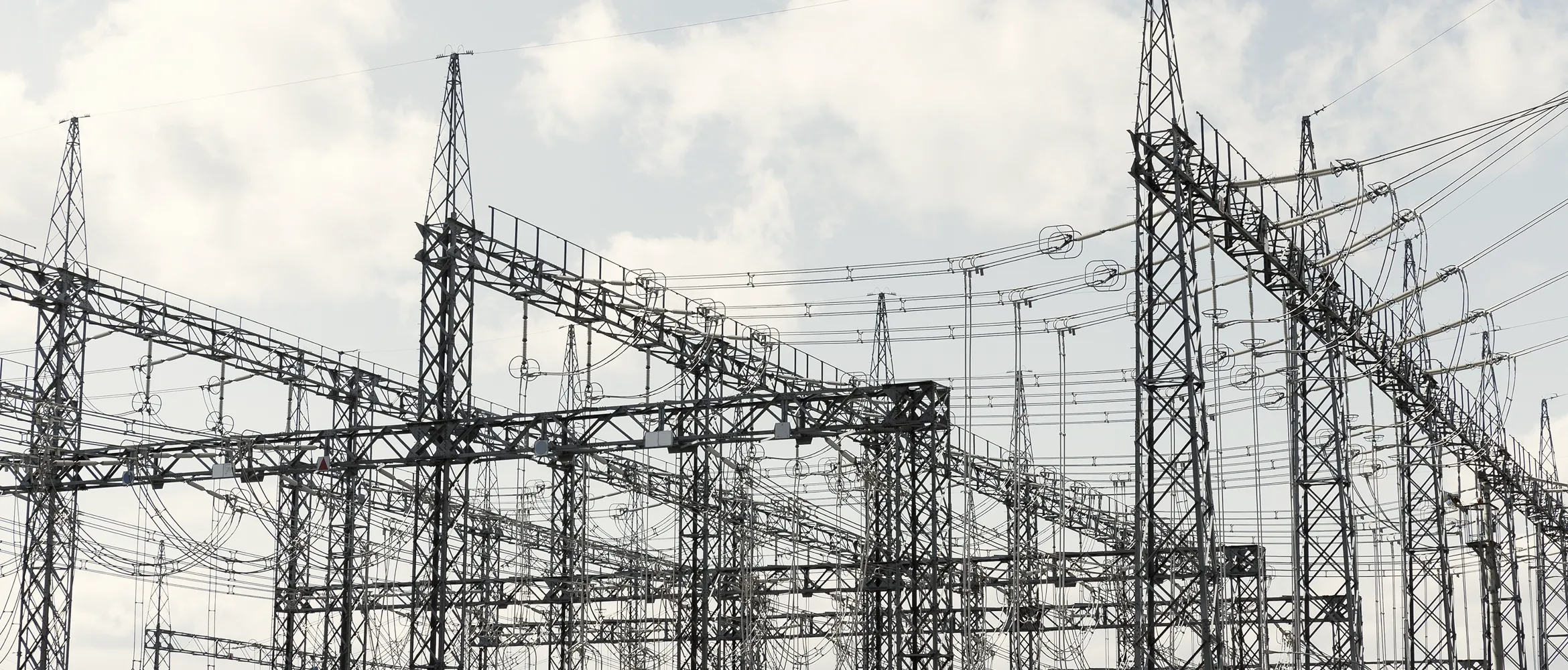
What the civil scope on a grid station covers in Pakistan, why tolerances are tighter than most building work, and where these projects typically run into trouble.