




.webp)



What a Construction Company Profile Should Actually Contain
Read more


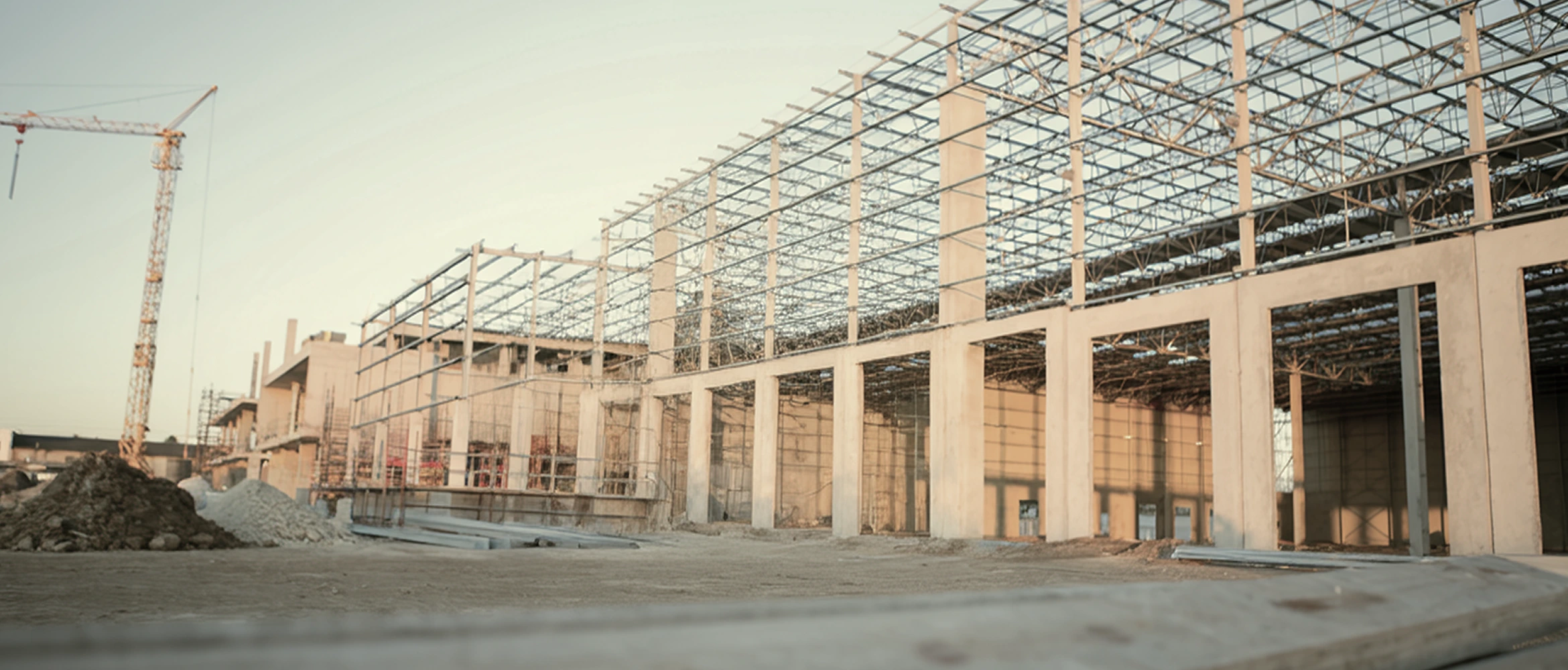
Engineering degrees teach principles. The largest construction projects teach judgment. There is a gap between the two that only site experience can close, and in Pakistan, that gap gets closed faster than almost anywhere else in the world. The terrain is harder, the logistics are more complex, the approvals take longer, and the conditions change without warning. For a young engineer or a mid-career professional, that environment is genuinely one of the best development grounds available.
Most engineers entering the industry underestimate how different real project delivery is from everything they studied. The calculations are the easy part. What takes years to build is the ability to make the right call at 11 pm on a remote site when drawings do not match conditions, the client is calling, and the crew is waiting.
This blog is about the specific skills that large-scale construction projects in Pakistan develop, why those skills matter for a long career, and what makes the Pakistani project environment particularly effective at building them fast.
The leading construction companies in the world consistently look for one quality beyond technical competence when building their project teams: the ability to operate effectively under real conditions, with incomplete information, under pressure, and with consequences attached to every decision.
That quality cannot be taught in a lecture theatre. It is built through repetition on live projects. Here is what large-scale construction projects develop specifically:
Textbooks present problems with clean inputs and correct answers. Sites do not. Ground conditions differ from the geotechnical report. A material delivery arrives three days late. A design detail does not account for site geometry. The engineer who thrives is the one who can assess the situation, identify the safest and most practical path forward, and communicate it clearly to the team. That judgment is built through exposure, not instruction.
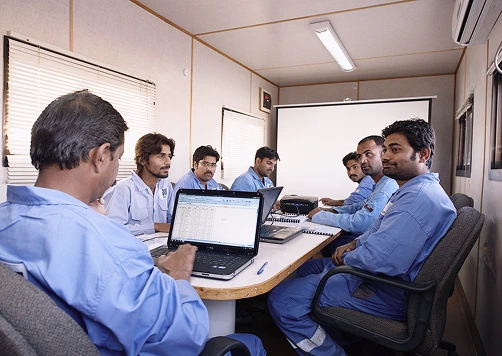
On a large project, no single engineer owns the outcome. Structural, mechanical, electrical, and civil teams work in overlapping sequences. Subcontractors, suppliers, inspectors, and client representatives all move through the same site simultaneously. Learning to coordinate across these interfaces, to anticipate clashes, communicate hold points clearly, and resolve conflicts before they affect the programme, is one of the most valuable professional skills in the industry. It is also almost impossible to develop without being on a project where the stakes are real.
Engineers who understand only the technical side of a project are useful. Engineers who also understand how variations are documented, why RFIs matter commercially, and how cost moves when scope changes are far more valuable to any organisation. Large projects expose site professionals to the commercial mechanics of delivery, whether they seek that exposure or not. The ones who pay attention develop an understanding that accelerates their careers significantly. The Chartered Institute of Building provides useful frameworks for understanding the professional and commercial dimensions of construction project management.
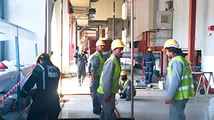
Safety on a large site is not a checklist exercise. It is a continuous judgment call made by dozens of people across every shift. Engineers who have led toolbox talks, managed permit-to-work systems, and responded to near-miss events on live projects develop an HSE instinct that is genuinely difficult to build any other way.

Pakistan's construction landscape is not a comfortable training ground. It is a demanding one, and that demand is precisely what makes it so effective at developing capable engineers and project professionals.
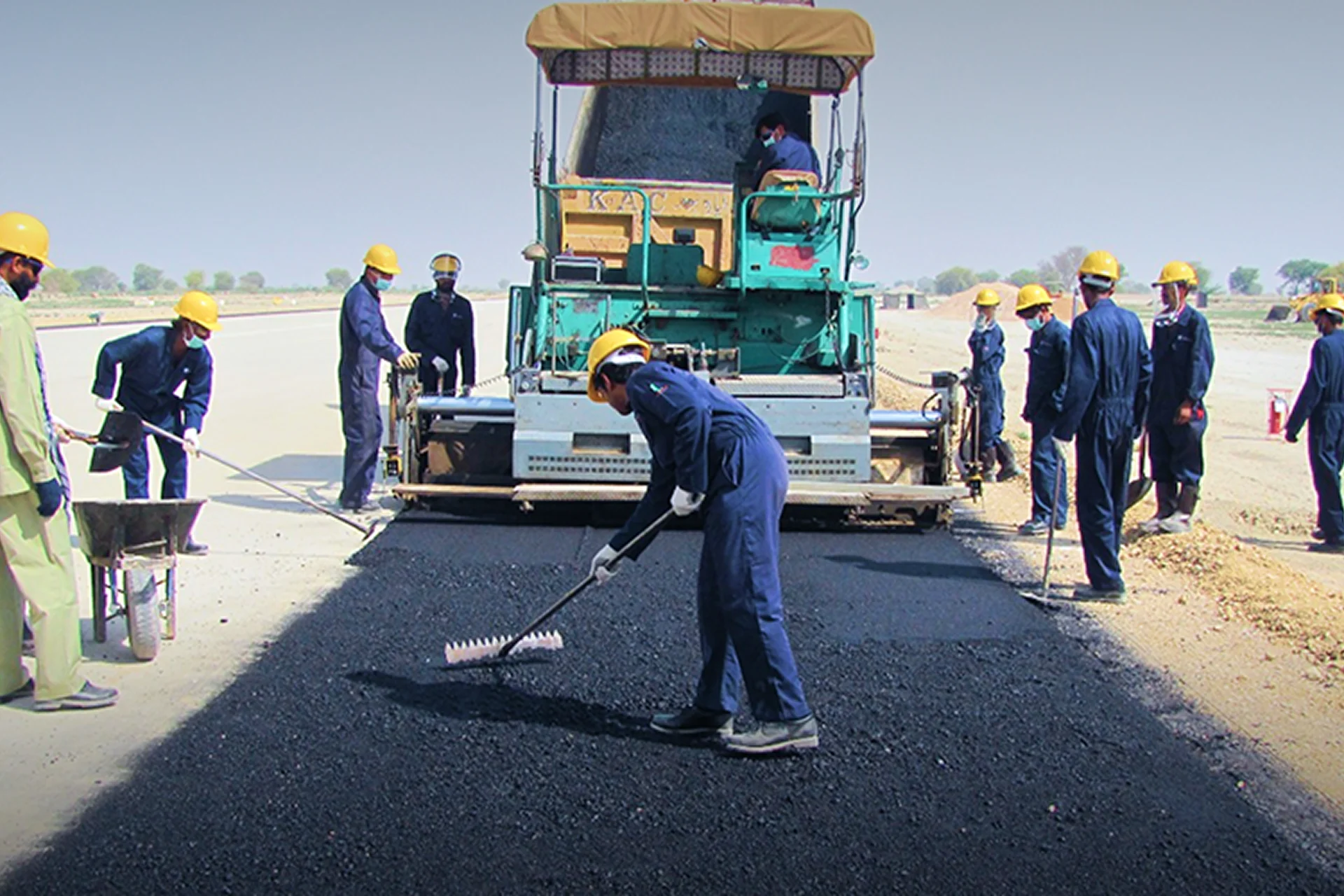
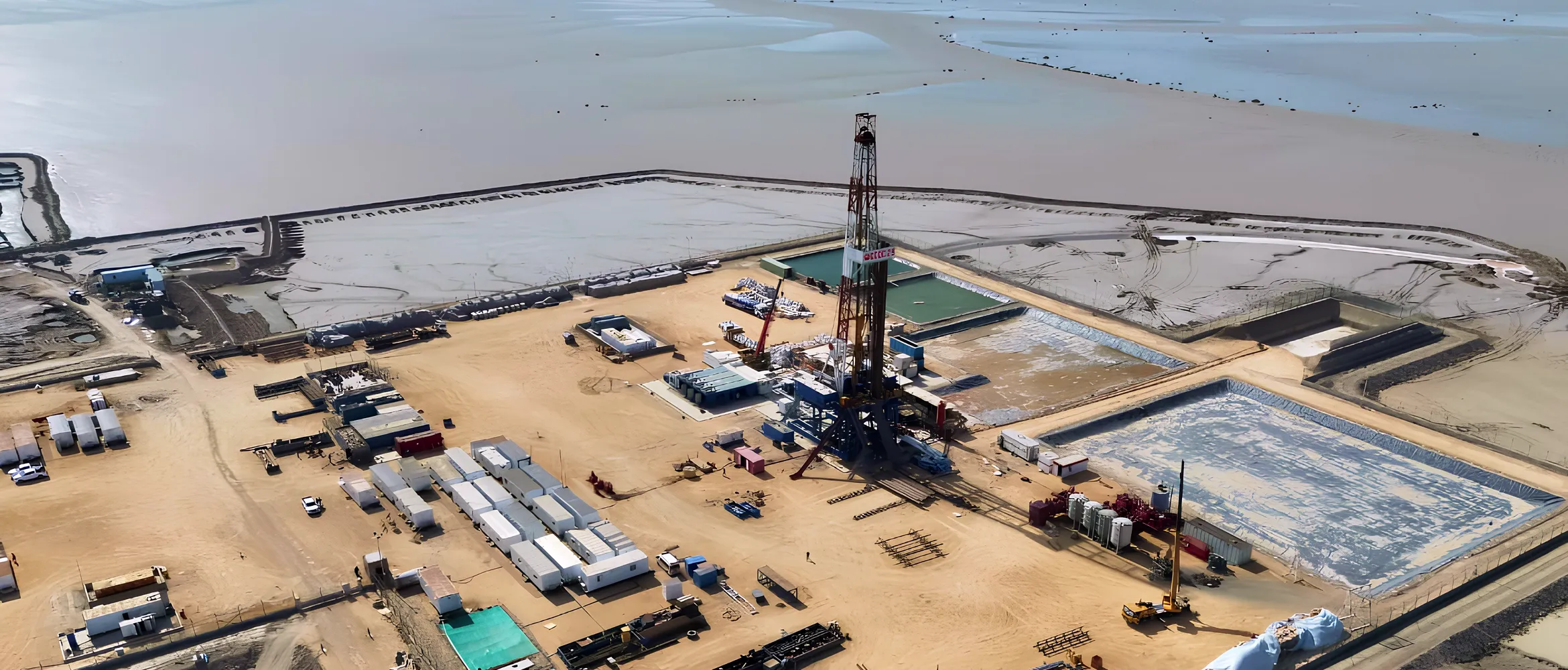
Working on well sites in the Thar Desert in 45-degree heat teaches mobilisation discipline and resource management that no temperate-climate project can replicate. Building an airstrip in Dadu within 70 days, on land that was submerged under floodwater months earlier, teaches programme recovery and team leadership under conditions that most engineers never encounter in an entire career. Executing ground improvement across 28 acres of reclaimed coastal land at Port Qasim, alongside international specialists from Fugro Dubai and Menard Egypt, teaches how to integrate global expertise into local delivery, which is exactly how the top construction companies in the world operate on complex scopes.
Across more than 56 cities and remote sites throughout Pakistan, from Balochistan to Kashmir, project environments demand that engineers develop adaptability, logistical thinking, and the ability to maintain quality and safety standards without the infrastructure available in urban sites. These are not just professional experiences. They are career-defining ones.
The engineers who come through large-scale Pakistani projects with their technical standards intact and their judgment sharpened are among the most capable construction professionals in the region. International clients working in Pakistan's energy and infrastructure sectors consistently notice this. It is one of the reasons that contractors with long track records of remote and complex project delivery attract repeat business from the most demanding clients in the market.
Not every engineer on a large project develops at the same rate. The ones who grow fastest share specific habits that are worth being intentional about:
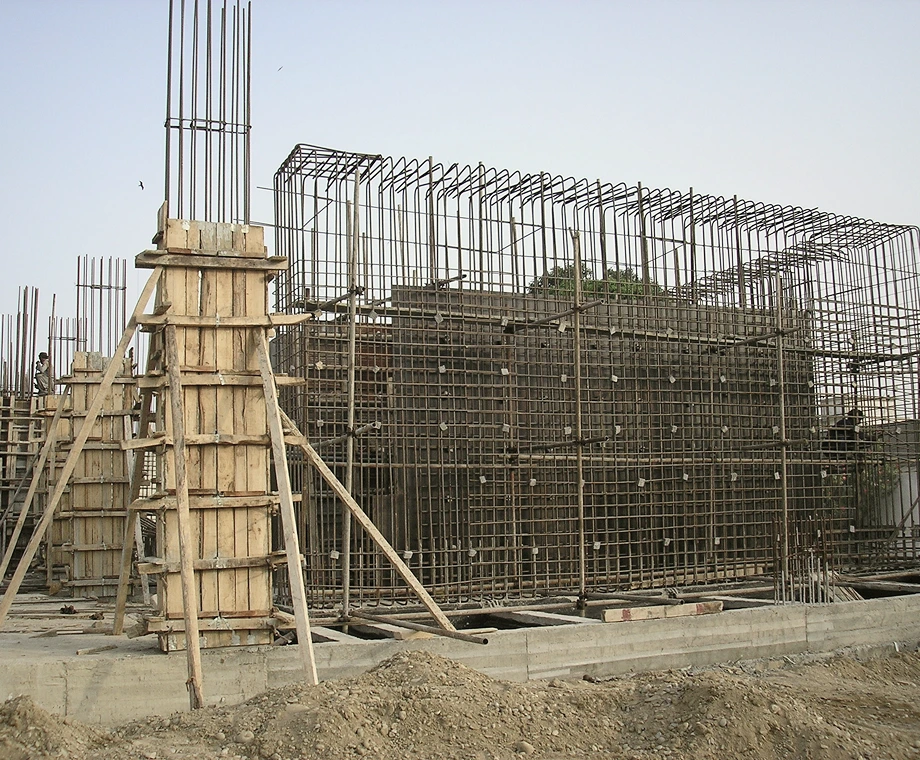
The engineers and project professionals who build their careers on Pakistan's largest construction projects develop something increasingly rare and consistently in demand: the ability to deliver under genuinely difficult conditions without lowering their standards.
That ability does not come from the projects that went smoothly. It comes from the ones where conditions changed, scope shifted, and the team found a way to deliver anyway. Those are the experiences that shape judgment, build commercial maturity, and produce the kind of professional that leading construction companies actively seek.
The classroom gives you the foundation. The site gives you everything built on top of it. In Pakistan, the sites are hard enough and varied enough to build a career worth having.

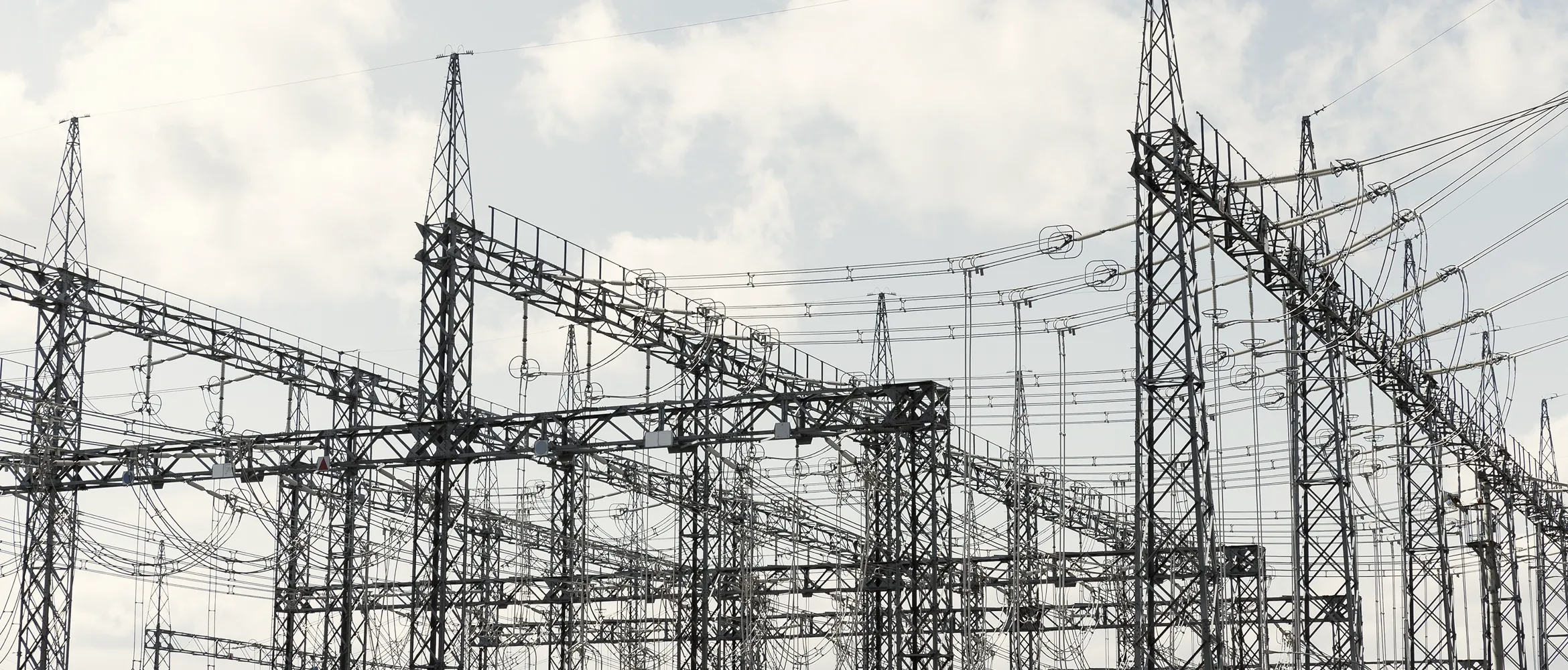
What the civil scope on a grid station covers in Pakistan, why tolerances are tighter than most building work, and where these projects typically run into trouble.