







.webp)








What a Construction Company Profile Should Actually Contain
Read more


%20The%20Quality%20Documentation%20Methods.webp)
Most project delays are not caused by bad weather or bad luck.
They are caused by things that could have been spotted before the first machine moved onto site. A supplier who cannot deliver on time. A design detail that does not work on the actual ground. A permit that takes three months longer than expected. A subcontractor who promised skilled labor but shows up with trainees.
The companies that consistently deliver on time have learned one thing that late-running firms have not. The work you do before mobilisation determines how smoothly the rest of the project runs.
The largest construction firms invest heavily in this phase. They spend time and money on preparation that looks like overkill to outsiders. But they know something from decades of experience. Every hour spent in pre-mobilisation saves at least three hours during execution. This blog breaks down what they check first and why those checks matter more than almost anything else on a project.
Pre-mobilisation is not just about ordering materials and hiring crews. It is a structured investigation that covers every part of the project before anyone commits to the work.
Here is what the biggest construction companies verify before they approve mobilisation.
For a formal framework on pre-construction planning, the Construction Industry Institute publishes research on front-end planning and its impact on project success.
The cost of skipping pre-mobilisation is rarely visible at the start. It shows up later, usually at the worst possible time.
Here is a common example.
A contractor bids on a project and wins. The timeline is tight. The client wants work to start immediately. The contractor skips the constructability review and orders materials based on early drawings. The crew mobilises. Work begins.
Three weeks in, someone notices that a structural detail cannot be built as drawn. The design needs to change. But the materials have already been ordered and delivered. Some are already installed. The rework takes six weeks. The client is angry. The budget is blown.
That scenario plays out on job sites every single day. The largest construction firms avoid it by refusing to start until the pre-mobilisation work is complete.
Another hidden cost is poor subcontractor performance. Contractors who skip pre-mobilisation often hire subcontractors based on price alone. They do not verify whether the subcontractor actually has the equipment, the skilled labor, or the safety record they claim. Top construction companies pre-qualify every subcontractor before they set foot on site. They check references. They visit previous project sites. They review safety records. They do all of this before the contract is signed, not after problems appear.
The same applies to permits. Big construction companies start the permit process early. They know that approvals take longer than anyone hopes. They build permit timelines into the pre-mobilisation schedule, not into the construction schedule. When a permit is delayed, it does not stop work because work has not started yet.
For guidance on risk management in construction projects, the International Risk Management Institute provides resources on contractor risk assessment and pre-qualification.
%20The%20Quality%20Documentation%20Methods.webp)
Pakistan's construction environment makes pre-mobilisation more difficult and more valuable at the same time.
Supply chains are less predictable. Permit processes vary by region. Site conditions can change dramatically within a few kilometers. The contractors who succeed here are the ones who do their homework before they start.
Here is how pre-mobilisation works on real Pakistani projects.
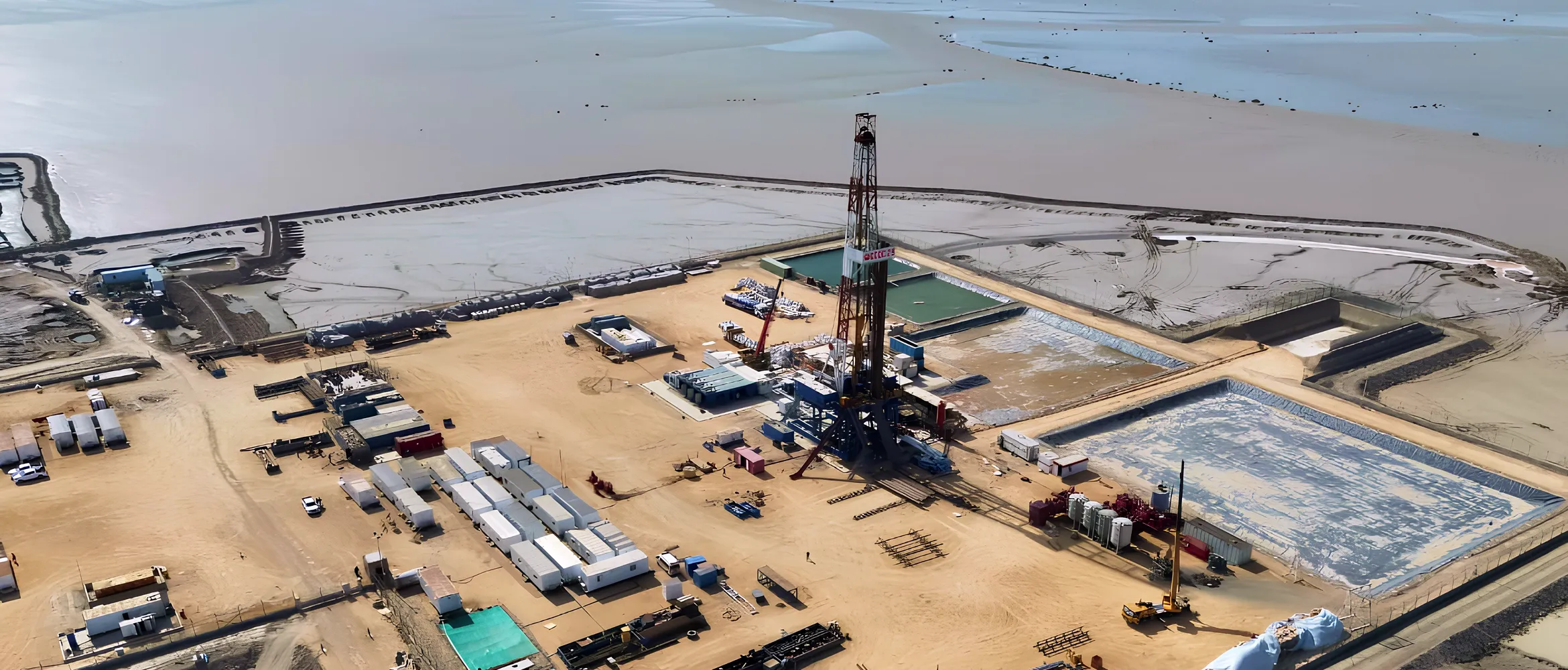
Remote site verification. Before mobilising to well sites in the Thar Desert or Balochistan, AMCORP teams physically visit the location. They check access roads. They verify water sources. They confirm that the survey markers are visible. They talk to local communities about road use and working hours. This happens weeks before any equipment moves.
Supplier audits. For the QICT Berth Expansion at Port Qasim, ground improvement required specialized equipment from Menard Egypt. The team did not just place an order and hope. They verified equipment specifications. They confirmed shipping timelines. They built contingency plans for customs delays. The equipment arrived on time because the pre-mobilisation work was done properly.
Permit mapping. For the Gharo Grid Station project, funded by KfW through Siemens, permits were required from multiple agencies. The biggest construction companies working on these projects do not assume permits will arrive on time. They map every required approval, assign responsibility for each one, and track progress weekly before mobilisation begins.
Subcontractor pre-qualification. For the Dolphin X1 well project for PPL, which involved jetty construction and barge operations, every subcontractor went through a formal pre-qualification process. Safety records. Equipment condition. Past performance. Financial stability. All checked before any contract was signed.
Top construction companies in the world operating in Pakistan know that the local environment adds complexity. They do not respond by rushing. They respond by preparing more.
For local standards on construction project planning, the Pakistan Engineering Council provides guidelines for quality assurance in construction projects.
%20The%20Quality%20Documentation%20Methods.webp)
Pre-mobilisation is not glamorous. No one wins awards for paperwork completed before the project starts.
But it is the single biggest factor in whether a project finishes on time and on budget. The largest construction firms did not get to where they are by being lucky. They got there by being prepared. They built systems that force pre-mobilisation to happen even when everyone is impatient to start.
You do not need a massive budget to do this better. You need discipline. A checklist. The willingness to say no to a client who wants work to start before the preparation is done.
Start with one thing on your next project. Verify one supplier before you order. Walk the site before you mobilise. Write down three things that could go wrong and plan for them. That is how good contractors become the kind that clients trust with their most difficult projects.

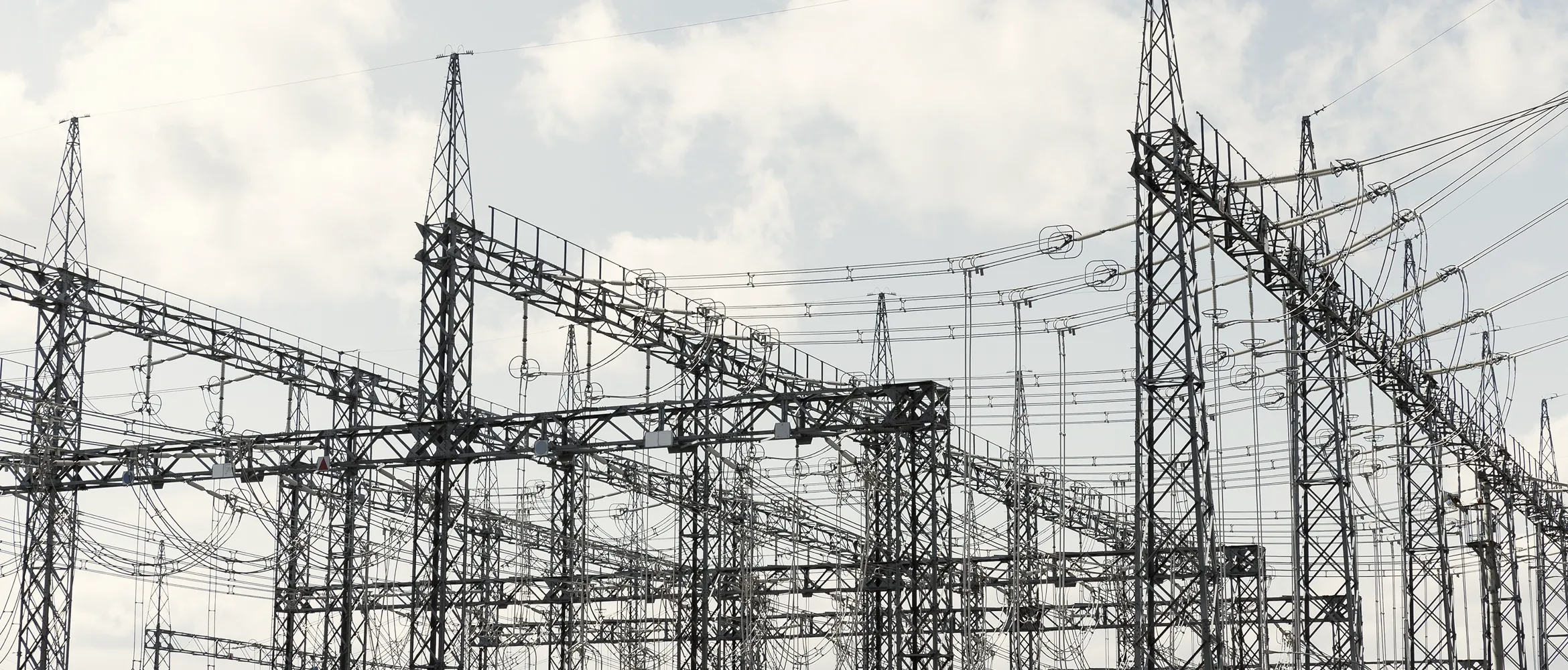
What the civil scope on a grid station covers in Pakistan, why tolerances are tighter than most building work, and where these projects typically run into trouble.