




.webp)



What a Construction Company Profile Should Actually Contain
Read more


Most buildings are designed with one assumption: they will stand forever.
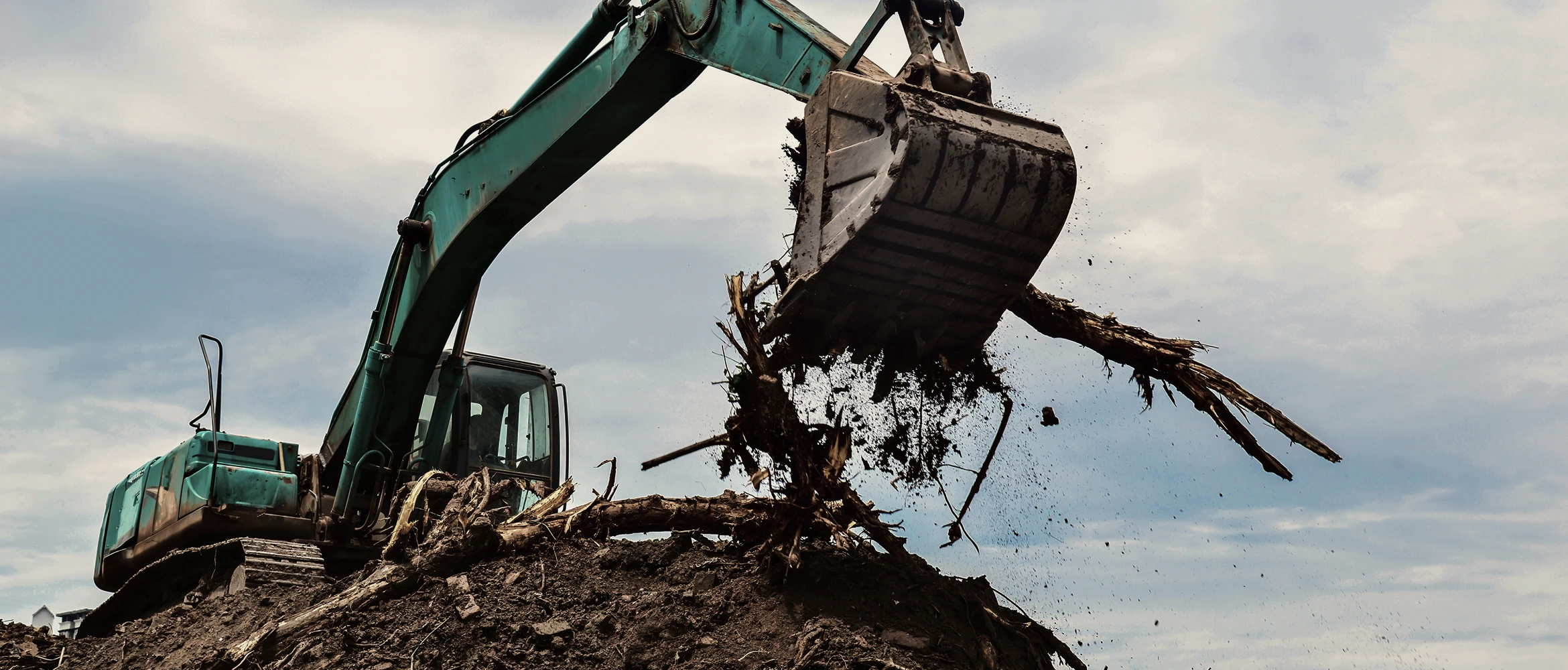
That sounds reasonable until you realize that buildings get demolished all the time. Offices become outdated. Factories get relocated. Shopping centers get torn down for something bigger. And when that happens, everything goes to waste. Concrete crushed. Steel cut up. Timber dumped. Brick broken apart.
All that material that took energy to produce, transport, and install ends up in a landfill.
The largest construction firms have started asking a different question. What if we designed buildings that could be taken apart instead of demolished? What if the steel beams could be unbolted and reused somewhere else? What if the concrete panels could be lifted off and installed on a different site?
That question has given birth to a completely different way of building. It is called design for deconstruction. And leading construction companies are adopting it fast. Not because it sounds nice. Because it saves money, reduces waste, and prepares projects for a future where material costs keep rising. This blog explains what it is, how it works, and what it looks like on real projects.
Design for deconstruction is not complicated. It just requires thinking differently about how things are put together.
A conventional building is glued, welded, cast, and nailed into a permanent lump. Taking it apart is destructive. You break things to separate them. A building designed for deconstruction uses connections that can be reversed. Bolts instead of welds. Screws instead of nails. Dry connections instead of wet ones.
Here is what that looks like in practice.
Mechanical fasteners over chemical bonds. Bolted steel connections can be undone with basic tools. Welded connections require cutting torches and damage the material. Top construction companies in the world specify bolted connections wherever possible, especially for structural elements that might have a second life.
Standardized component sizes. When every beam and column is a custom size, reuse is nearly impossible. When components follow standard dimensions, they can move from one project to another without modification. Big construction companies are pushing suppliers toward standardized product lines for this exact reason.
Separable material layers. In a typical wall assembly, drywall, insulation, vapor barrier, and framing are all mixed together. Separating them at demolition is slow and expensive. In a deconstructable wall, each layer is accessible and removable on its own. The biggest construction companies are designing layer separation into their details from the start.
Documentation of what is where. A building designed for deconstruction comes with a material passport. A document that says: here is every major component, what it is made of, where it came from, and how to remove it. Top construction companies treat this document as seriously as the structural calculations.
For a detailed framework on design for deconstruction principles, the Ellen MacArthur Foundation publishes research on the circular economy in the built environment.
Design for deconstruction is not just about being responsible. It makes financial sense.
Material costs have climbed steadily over the past decade. Steel, timber, copper, and cement are not getting cheaper. A building that can donate its materials to a future project instead of sending them to a landfill has real asset value at the end of its life.
Here is a specific example.
The largest construction firm in Europe recently completed an office building where every structural beam was bolted, not welded. When the building reaches the end of its useful life in forty years, those beams can be removed and reused in another structure. The original owner has already received offers from developers who want first rights to the steel. The building has a salvage value built into it from day one.
That is not hypothetical. That is happening now.
The same logic applies to shorter timelines. Construction sites generate enormous waste just from temporary structures. Formwork. Bracing. Edge protection. Access platforms. Most of it gets thrown away after one use. Leading construction companies are designing reusable temporary systems that break down flat, pack into containers, and redeploy on the next site.
One contractor saved over thirty percent on formwork costs across three projects simply by designing panels that could be reconfigured instead of cut to fit each unique condition. The upfront design time was higher. The long-term savings were much higher.
For case studies on deconstruction economics in large infrastructure projects, the World Business Council for Sustainable Development offers research on circular building practices.
Pakistan does not have a culture of design for deconstruction yet. But the conditions that make it valuable elsewhere are already here.
Material costs are rising. Landfills are filling up. Clients are starting to ask about long-term value and environmental impact. The contractors who figure this out now will have a serious advantage when the market catches up.
Some elements of deconstructable design are already visible on local projects, even if no one calls it by that name.
Precast construction is a form of design for deconstruction. Panels cast off-site, transported, and bolted into place can be unbolted and moved. AMCORP's work on the PARCO Coastal Refinery wall panels and the SECMC Coal Silo used precast elements manufactured under controlled conditions and assembled on site. Those same panels, if the facility changes in twenty years, can be removed without destroying them.
Pile foundations designed for future loads. Some of the big construction companies working on Pakistan's coastal developments are designing foundations that can support additional floors in the future. That is not deconstruction. But it is the same principle: design for a building's full lifecycle, not just the first use.
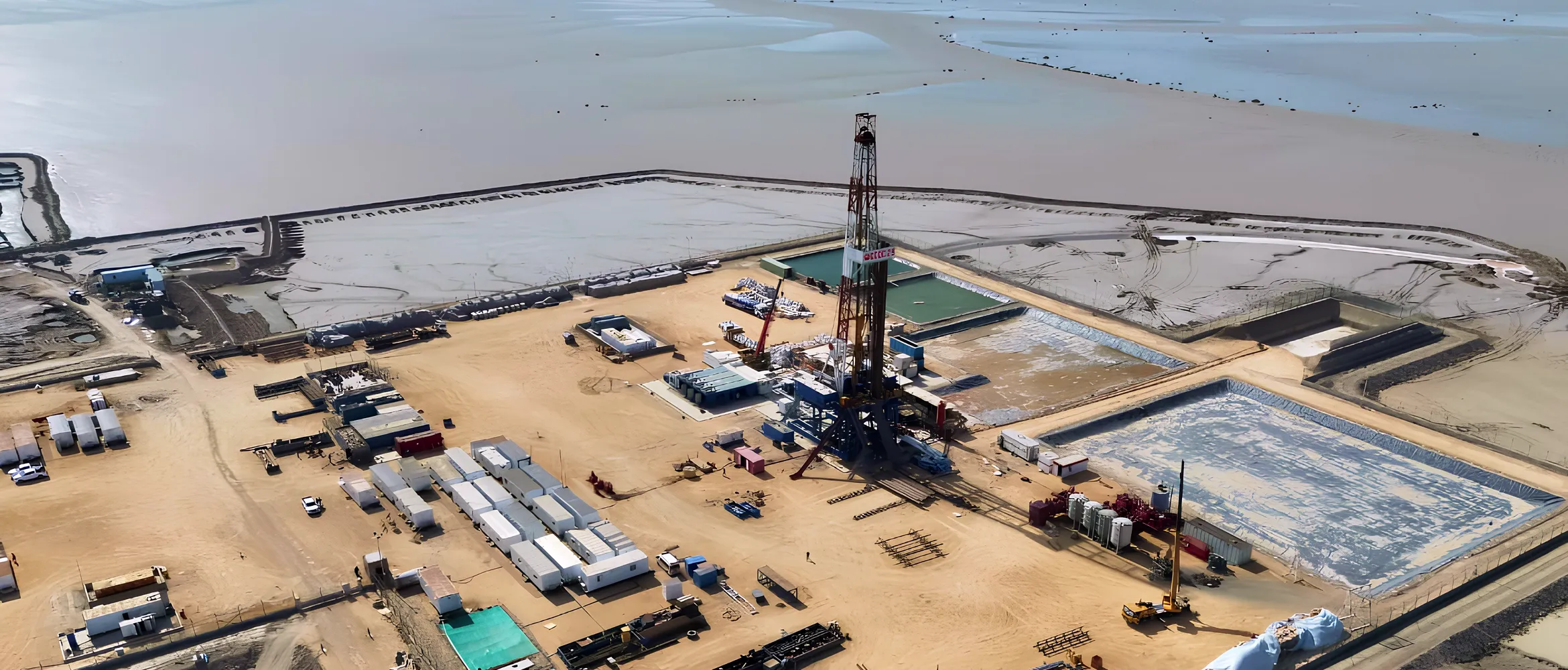
Modular site offices and camps. Remote energy projects in Sindh and Balochistan rely on portable cabins that get moved from one well site to the next. These are deconstructable by necessity. The companies that standardize their camp components, wall panels, roof sections, and connection details can redeploy them across multiple projects with minimal waste.
The largest construction firms globally are already requiring deconstructable design on certain project types. When those firms enter the Pakistani market or fund projects here, local contractors who understand these methods will win work. The others will be playing catch-up.
For local context on sustainable construction practices in Pakistan, the National Energy Efficiency and Conservation Authority provides guidelines for resource efficiency in building projects.
Design for deconstruction does not require a complete overhaul of how you work.
It requires small shifts in the decisions made every day. Use bolts instead of welds where you can. Keep a record of what materials went where. Ask yourself: could someone take this apart in thirty years without a jackhammer?
The largest construction companies did not invent design for deconstruction because they wanted to feel good about themselves. They adopted it because it saves money, reduces risk, and prepares their projects for a future where material scarcity is real.
You do not need to design every building for full deconstruction starting tomorrow. But you can start with one decision on your next project. One bolted connection instead of a welded one. One material passport for the structural steel. One conversation with your team about how the building will end its life, not just how it will begin.
That is how good habits start. One decision at a time. And that is how the Pakistani construction sector will catch up to the rest of the world.

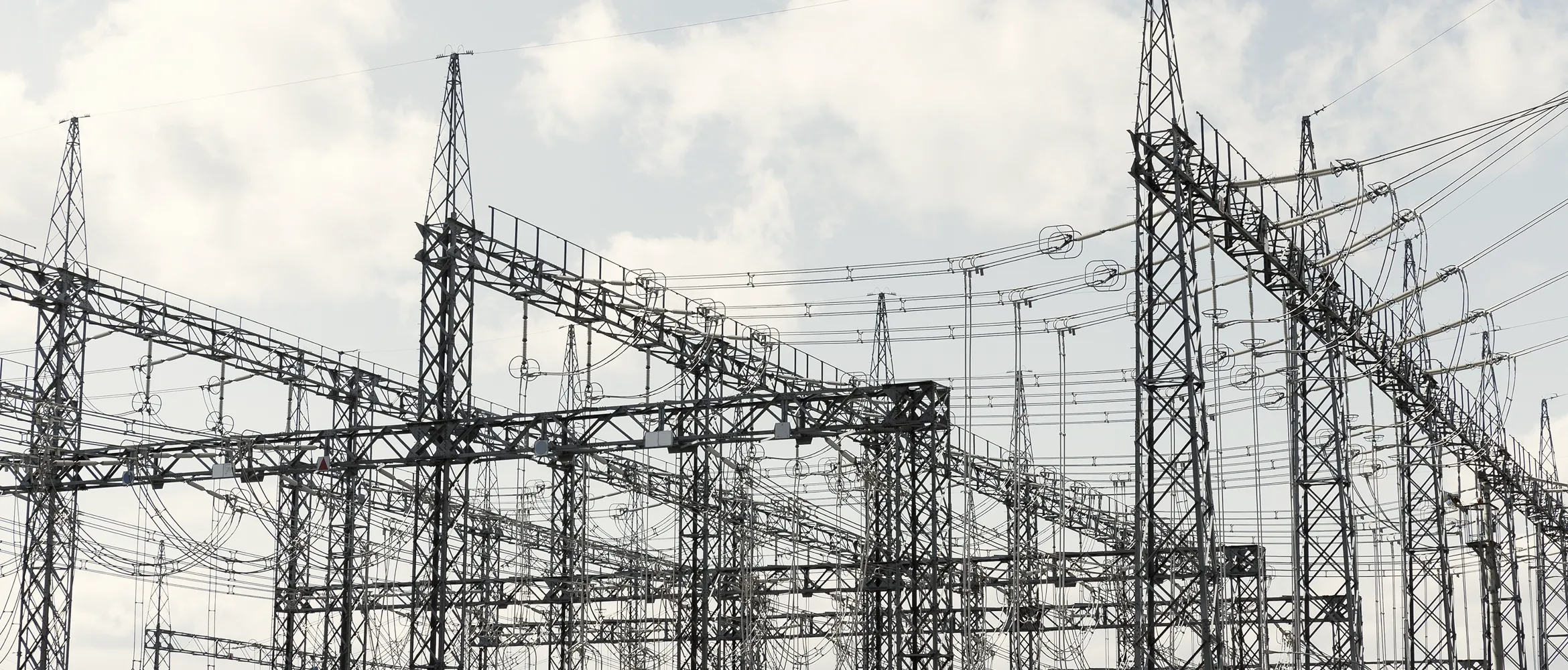
What the civil scope on a grid station covers in Pakistan, why tolerances are tighter than most building work, and where these projects typically run into trouble.