


.webp)





What a Construction Company Profile Should Actually Contain
Read more



Every year, billions of dollars in construction projects are awarded to firms that look qualified on paper and fall short in delivery. The gap between the biggest construction companies in the world and everyone else is not always visible during the bidding process. It becomes visible under pressure, when ground conditions change, when a shipment is delayed at port, when a scope revision lands without warning, and when the client is watching closely to see how you respond.
The largest construction projects in the world are not won purely on technical submissions. They are won on track records that prove a firm can absorb disruption and still deliver. And they are retained because clients experience that proof first-hand.
This blog is about what the top construction companies in the world actually do differently, not in theory, but in the specific disciplines that determine whether a large project succeeds or quietly unravels.
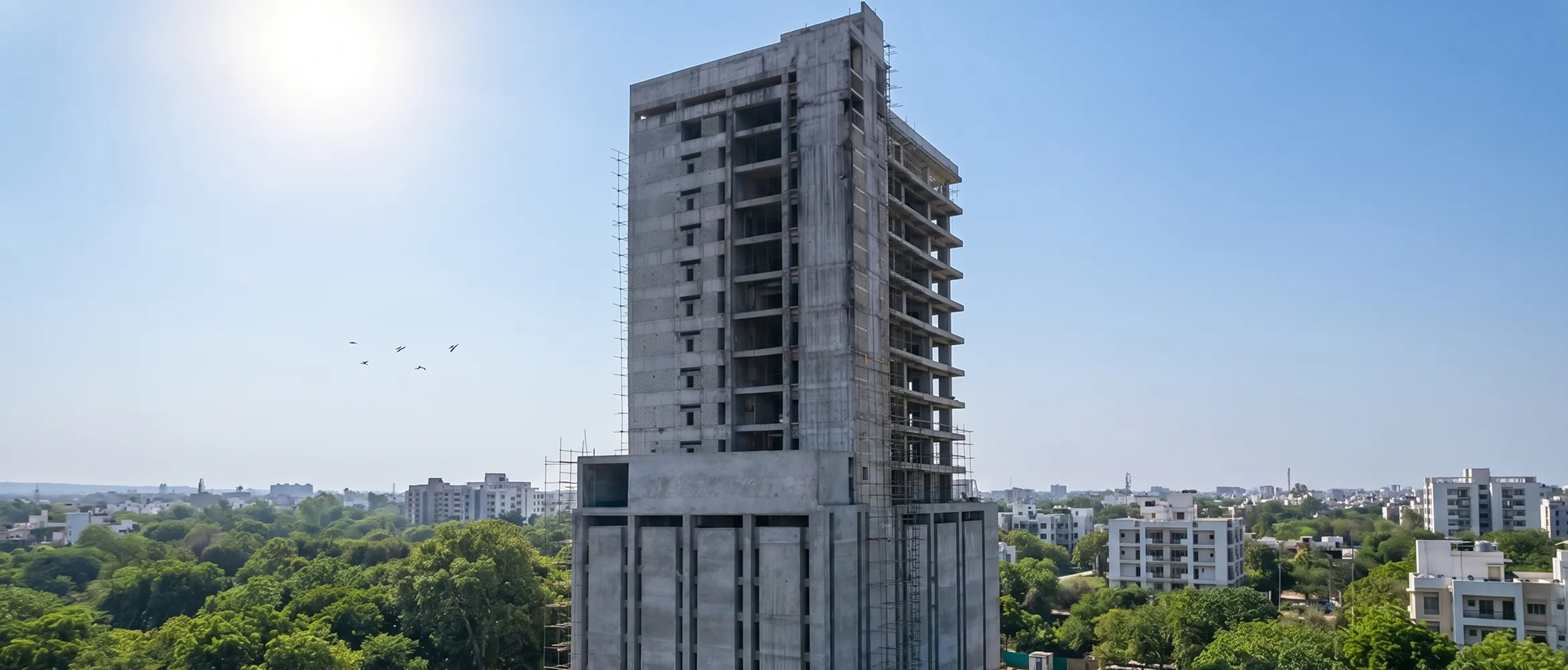
The most important thing that separates big construction companies from average ones is not equipment or headcount. It is institutional depth. The ability to deliver consistently, across different project types, geographies, and conditions, because the organisation carries knowledge that does not leave when a key person does.
Top construction companies in the world build this depth through four consistent practices:
Every process, from inspection formats and material certifications to daily site reports and lessons learned registers, is captured and retained at the organisational level. ISO 9001 quality frameworks exist precisely for this reason. When a senior project manager moves on, the next one inherits a functioning system, not a blank slate.
The biggest construction companies spend serious time and resources before mobilisation. Design reviews, constructability assessments, supply chain mapping, and risk registers are completed before a single machine moves. This is why their projects absorb disruption without collapsing. When COVID hit global supply chains in 2020, the firms that kept their programmes together were those that had already identified critical path dependencies and planned alternatives months earlier.
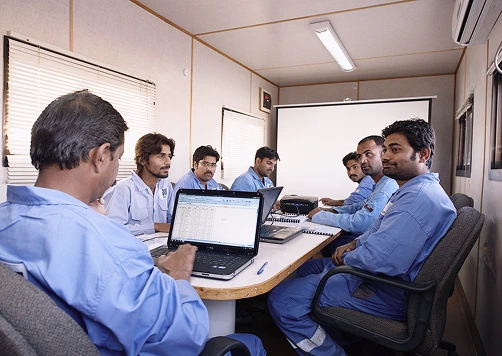
On the largest construction projects, engineering decisions made without input from construction create problems that are expensive to fix on-site. Top construction companies keep both disciplines genuinely connected throughout delivery, not just at handover. Resident engineers resolve RFIs same-day, approve material substitutions in real time, and make technically sound decisions when site conditions shift at short notice. For internationally recognised standards on engineering and construction integration, the Institution of Civil Engineers is a useful reference.
Lost Time Incidents are tracked, analysed, and used to improve processes across every project. Zero-incident targets in serious organisations are engineered outcomes, built through toolbox talks, permit systems, and hazard identification embedded in daily site rhythm, not slogans on a hoarding.

Technical competence gets a project started. Commercial discipline and recovery capability determine whether it finishes well. This is the area where most contractors, including many with strong technical reputations, fall short on large and complex projects.
On the largest construction projects in the world, scope changes. It always does. Ground conditions differ from the geotechnical model. Imported equipment arrives late. A regulatory approval takes three months longer than the programme assumed. The question is never whether something will go wrong. The question is whether the contractor has the systems and the temperament to manage it transparently and keep the project moving.
The biggest construction companies handle this through formal commercial discipline. Variation logs are maintained from day one. Change requests are issued in writing before additional work proceeds. Claims are documented with evidence and submitted on time. Payments are tracked and escalated through the right channels rather than absorbed silently until they become a crisis.
A contractor who swallows scope changes and presents a surprise bill at project end is not being flexible. They are accumulating a dispute. The top construction companies in the world treat every variation as a formal event because that discipline protects both the client and the contractor when the project is under pressure. For reference on managing procurement and variations within large project contracts, the Project Management Institute provides widely used frameworks that reflect global best practice.
This commercial maturity is what allows the best firms to maintain client relationships across decades and multiple projects. The client does not just remember that the project was delivered. They remember how it was managed when things got difficult.
Pakistan's construction sector has delivered outcomes that match global standards on technically demanding projects. The gap that remains is not about capability. It is about consistency, documentation, and the commercial maturity to manage large projects the way the world's biggest construction companies manage them.
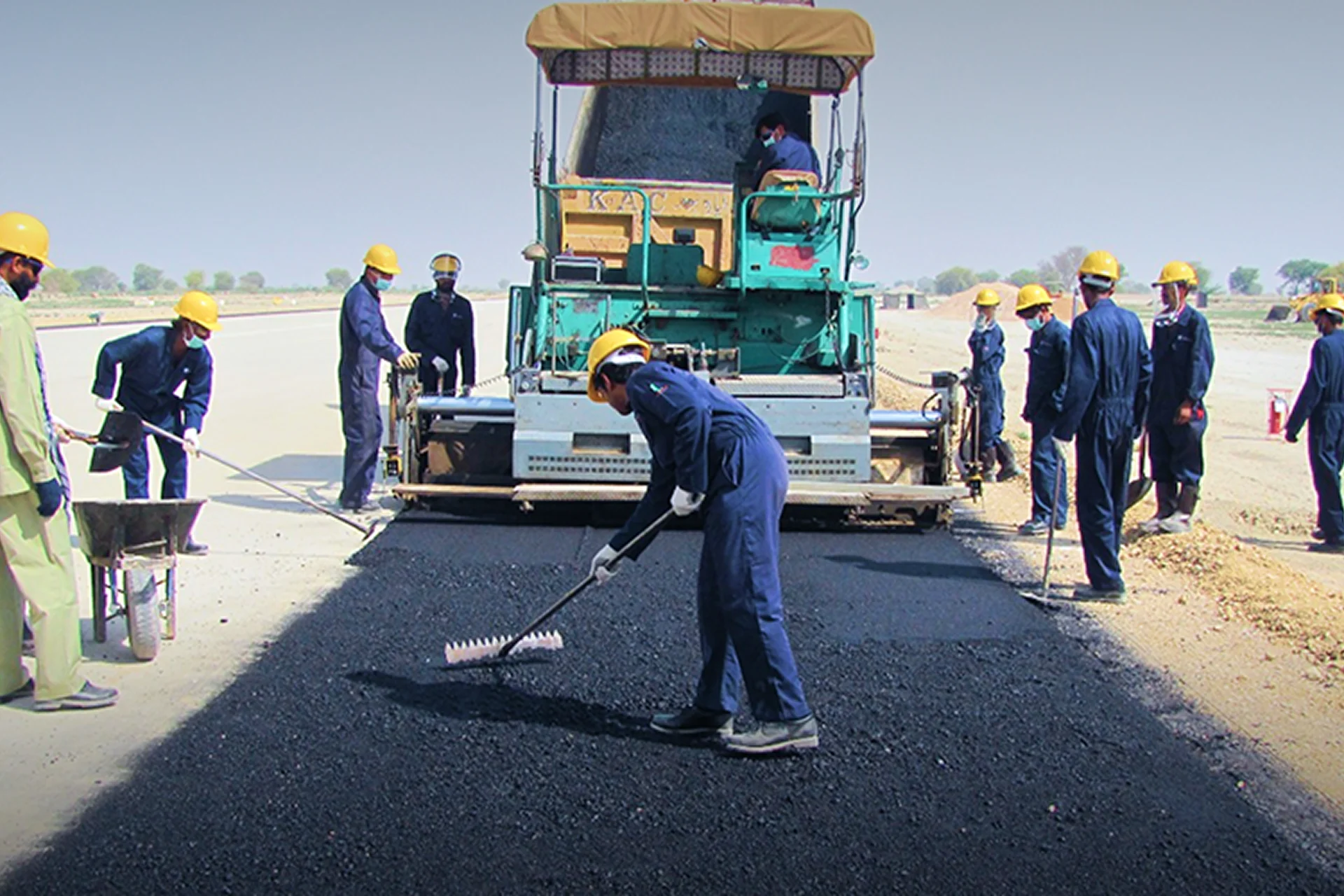
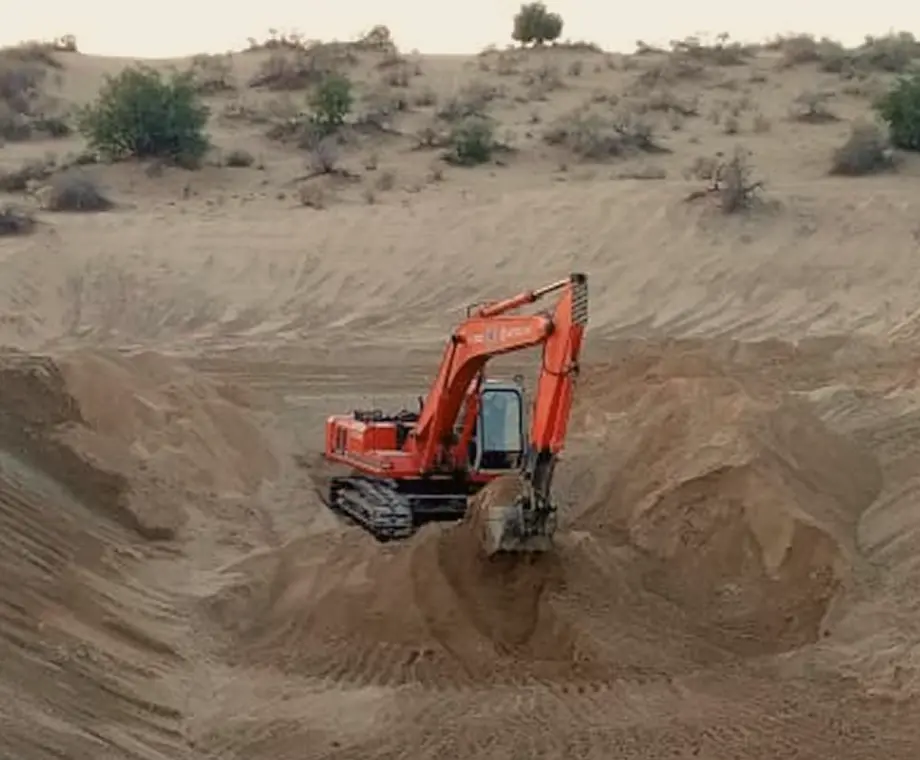
Working in the Thar Desert in 45-degree heat, rebuilding a flood-demolished airstrip in 70 days, laying 250 kilometres of access roads through rocky Sindh terrain, and executing ground improvement across 28 acres of reclaimed coastal land at Port Qasim alongside Fugro Dubai and Menard Egypt, these are not average project achievements. But achievements only compound into institutional strength when they are documented, reviewed, and built upon systematically.
The contractors in Pakistan closing this gap share a common profile. They hold ISO certifications and operate according to them genuinely. They deploy resident engineers on complex sites. They maintain formal variation and claims processes. They bring in international specialist partners when the project demands expertise beyond their core, rather than overreaching. And they treat every project, regardless of size, as an opportunity to build the kind of record that wins the next one.
That is what the top construction companies in the world have always understood. Scale is a byproduct of discipline, applied consistently, over time.
The largest construction projects in the world are not delivered by the firms with the most impressive brochures. They are delivered by firms that have built organisations capable of learning, adapting, and recovering on every project, in every condition.
That standard is not out of reach for Pakistan's construction sector. The experience exists. The technical capability exists. What builds the gap into a sustained competitive advantage is the commitment to systems, commercial discipline, and institutional knowledge that carries forward rather than starting over with every new contract.
The biggest construction companies in the world did not become that way overnight. They became that way one well-managed project at a time.

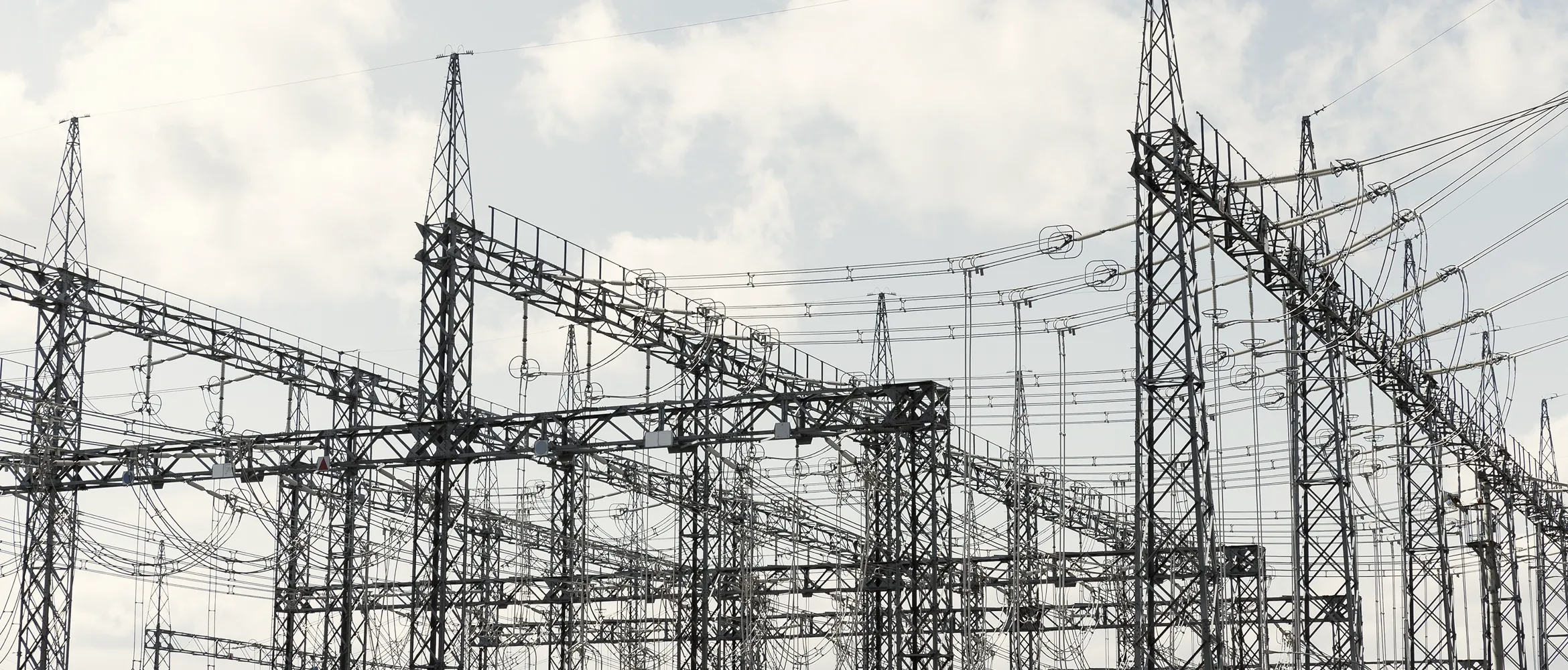
What the civil scope on a grid station covers in Pakistan, why tolerances are tighter than most building work, and where these projects typically run into trouble.