



.webp)




What a Construction Company Profile Should Actually Contain
Read more


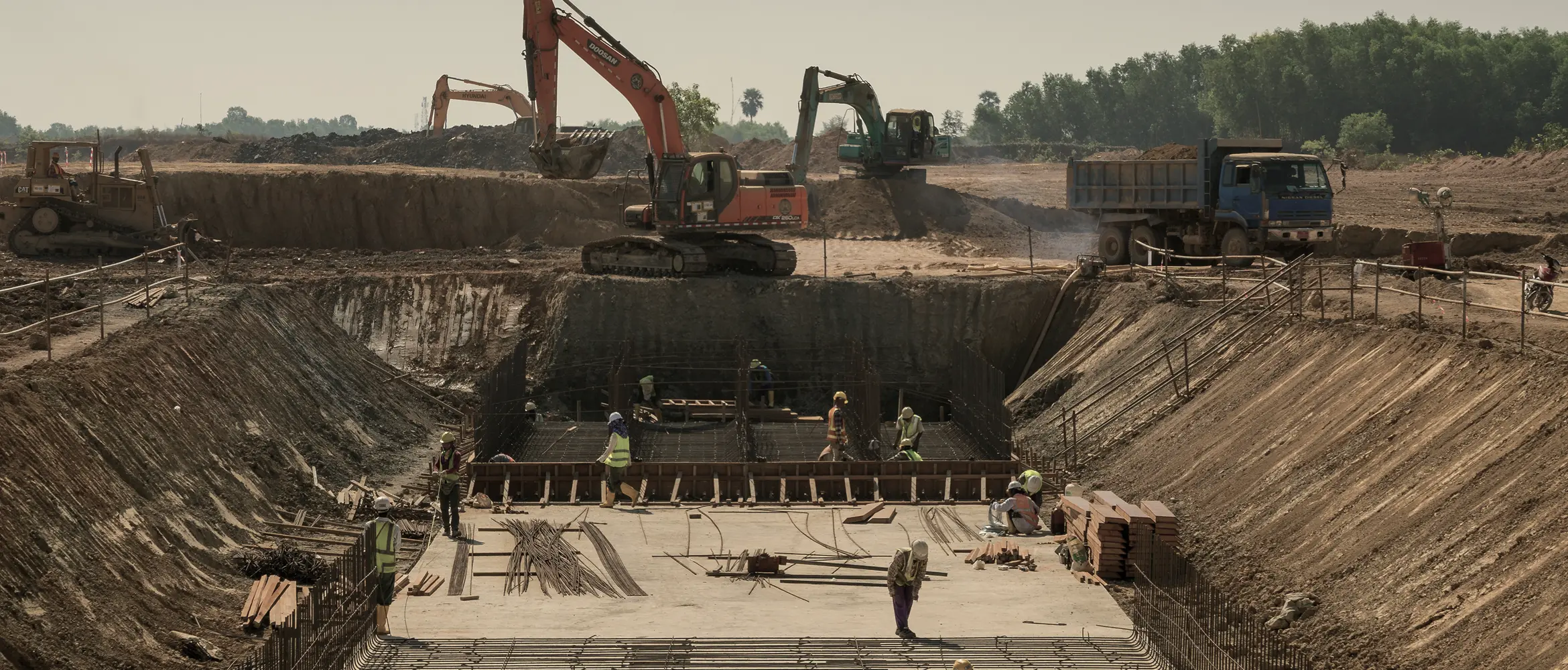
Every construction site has a moment when things fall apart.
The design detail does not match what is on the ground. A shipment of material shows up three days late. The client walks onto the site asking questions no one prepared for. And the entire crew looks at the engineer standing nearest to them.
In that moment, technical knowledge matters far less than one specific ability: staying composed.
Engineers at the largest construction firms around the world are not smarter than everyone else. They are not born calmer or more patient. What they have built, through experience and intentional practice, is the ability to think clearly when everyone around them is losing their footing. This blog is about how they develop that ability and how any engineer working on demanding sites can build it too.
The difference between an engineer who freezes and one who acts is rarely about intelligence. It is about what they have trained themselves to do in the seconds after a problem appears. And that training can start today, on whatever site you are working on right now.
Composure is not about staying quiet or looking calm while problems get worse. That is just hiding. Real composure on a live site means keeping your ability to make decisions when the conditions for good decision-making have disappeared.
Engineers at leading construction companies learn to separate two things: the problem itself and their reaction to it. Most people on a site react first and think second. The engineer who stays useful does the opposite. They pause just long enough to ask a few basic questions before anyone moves.
Who needs to know right now?
What is the safest way to stop or redirect work until we have an answer?
Those three questions take about ten seconds to run through. But they change everything. Instead of freezing or reacting blindly, the engineer buys time for the team and for themselves. They create a small window of calm in the middle of chaos. That window is where good decisions get made.
Top construction companies in the world train this into their project teams, not through formal courses but through repetition. Every near-miss, every unexpected site condition, every design clash becomes a chance to practice the pause. Over time, it stops feeling like a technique and starts feeling like instinct. That is the goal. An engineer who no longer has to think about staying calm has already become the person everyone wants on their site.
For structured guidance on developing this kind of professional judgment, the Institution of Civil Engineers provides resources on site-based learning and decision-making.
No one walks onto a construction site expecting things to go wrong. But engineers at big construction companies learn early that hoping for smooth conditions is not a plan. Hope is not a strategy. Preparation is.
The most effective way to build composure is to simulate pressure before it actually arrives. Not in a classroom. On the project itself, during planning meetings and pre-construction reviews.
Before a critical concrete pour, experienced engineers walk through everything that could interrupt it. Pump failure. Late truck arrival. Rain. Disagreement on slump tolerance. A crew member is calling in sick. They write each one down. Then they ask: if this happens, what do we do in the first fifteen minutes? Who calls the ready-mix plant? Who stops the pour? Who tells the client?
That exercise does not prevent problems. But it does something just as valuable. It removes the shock of surprise. When a problem shows up, the engineer has already thought about it. They are not starting from zero. They are recalling a plan they already made. The brain works faster when it is remembering than when it is inventing.
Engineers from top construction companies also protect their own mental bandwidth during high-stress periods. They know that checking messages at midnight, skipping meals, and sleeping poorly do not make them more committed. Those things just make them slower and more reactive. The composed engineer on a tough site eats when they can, sleeps when the shift ends, and trusts the team working alongside them.
That is not laziness. That is sustainability. And it is one of the hardest lessons for younger engineers to accept. But the ones who learn it early last longer in this industry and enjoy their work more.
For frameworks on managing commercial pressure alongside technical delivery, the Chartered Institute of Building offers guidance on professional standards in construction management.
Pakistan's project landscape does not make composure optional. It demands it. And that demand is exactly why engineers who work here long enough become some of the most capable in the region.
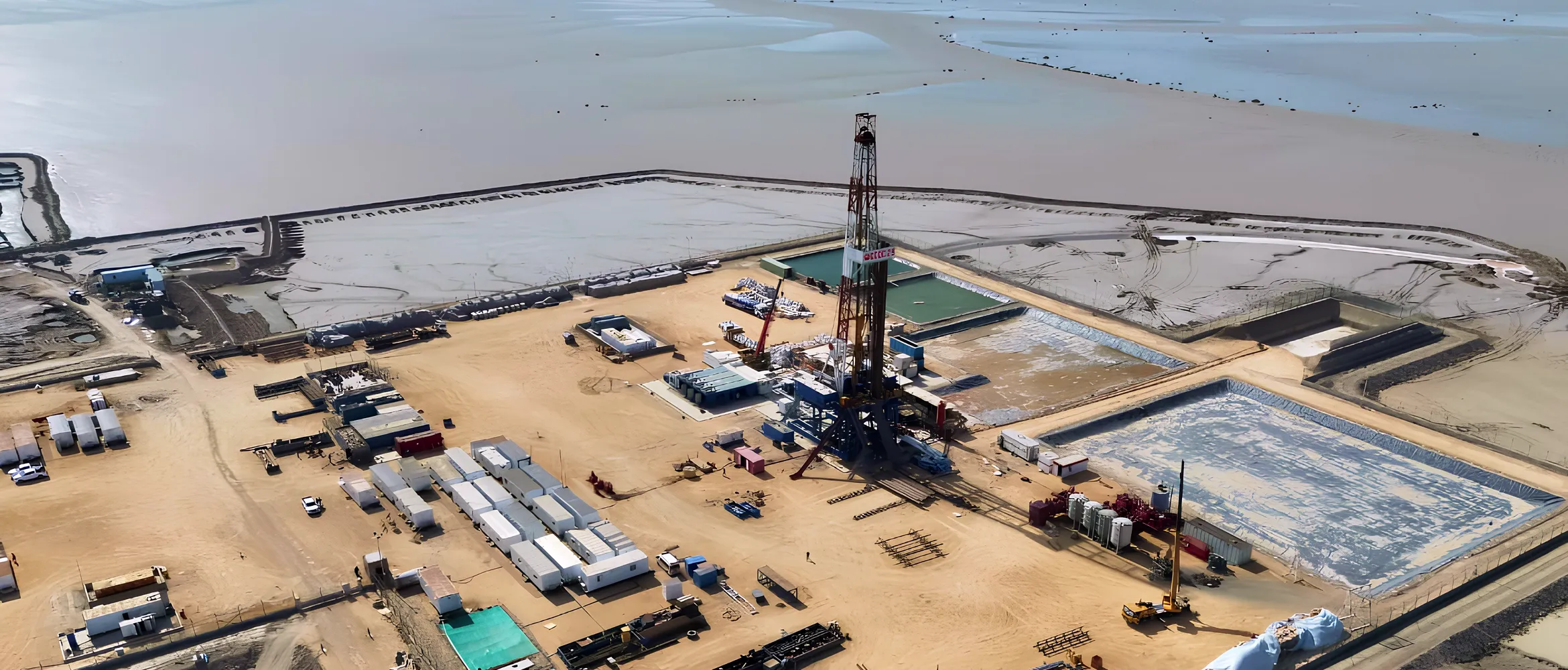
Working on well sites in the Thar Desert during summer, where temperatures pass 45 degrees, and the nearest support is hours away, teaches an engineer exactly how much they can trust their own judgment. There is no one to call for a second opinion. No backup team waiting nearby. The decision in front of you is yours. That kind of isolation strips away hesitation fast.
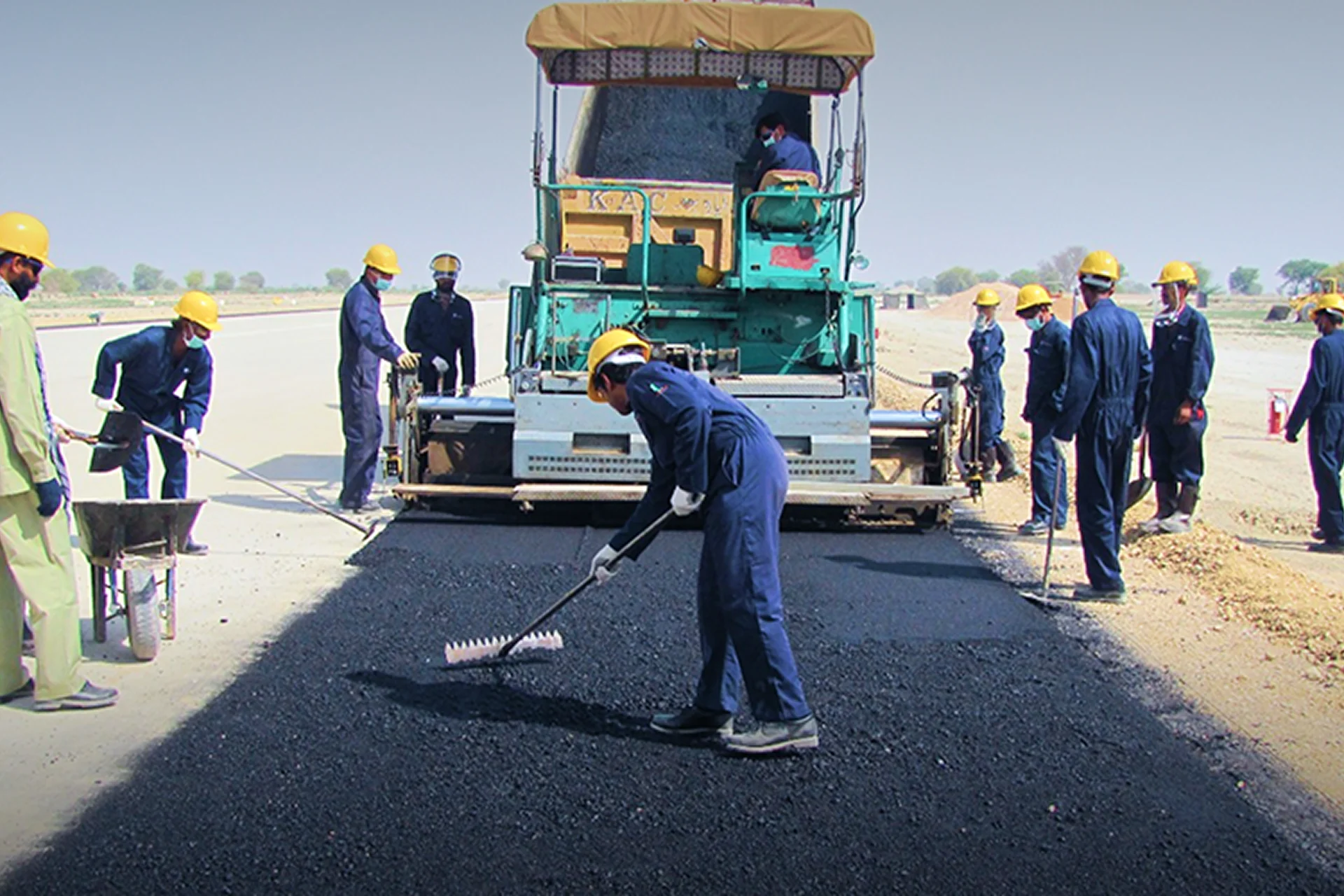
Building infrastructure in areas that were under floodwater months earlier, as happened with the Dadu airstrip reconstruction, forces a team to recover a programme under conditions that no textbook ever imagined. Seventy days to rebuild what water had destroyed. Forty-five-degree heat. Asphalt work that would break most crews. And not a single first-aid case, let alone a lost-time incident. That is composure under pressure, delivered by an entire team.
The biggest construction companies operating in Pakistan know something that engineers from milder environments never learn. You cannot wait for perfect information. You cannot pause the project until conditions improve. You make the best call you can with what you have, you keep the crew safe, and you move forward. Then you document what happened so the next engineer has it easier.
That is not reckless. It is the reality of delivering the largest construction projects in places where no one is coming to help. Remote sites do not have the luxury of urban support systems. The contractor brings everything with them, including the ability to think clearly when something goes wrong.
Engineers who come through these sites develop a kind of pressure tolerance that is genuinely rare. They have seen designs change mid-execution. They have managed crews working double shifts under security constraints. They have explained delays to clients who did not want to hear bad news. And they are still standing. Many of them are now leading projects for international clients who specifically look for people with Pakistan field experience.
That experience is what makes them valuable to top construction companies in the world when those firms look for talent in this region. Not the degrees. Not the years on a resume. The proof of what they have already handled on the ground is that it does not forgive mistakes.
For reference on professional development pathways that recognise this kind of field experience, the Pakistan Engineering Council maintains continuing professional development frameworks for local engineers.
Composure is not a personality trait. It is a skill. And like any skill, it gets built through repetition, honest self-assessment, and time spent in situations that demand it. The engineer who stays calm when a pump fails or a design clashes, is not special. They have just practiced the pause more times than everyone else.
Engineers at the largest construction firms do not stay calm because they have seen everything before. They stay calm because they have trained themselves to pause, to ask the right questions, and to act instead of react. You can build the same ability on the site you are working on right now. Not by waiting for the perfect training program or a less stressful project. By paying attention to the next moment, things go wrong, and choosing to respond differently.
The sites in Pakistan will keep testing you. That is not going to change. What can change is how you meet that test. Start small. Practice the pause on a minor problem before you need it on a major one. Trust that every difficult shift is building something that no classroom ever could. And know that the engineers who lead the biggest projects in this country did not start calmly. They started out learning, just like you.

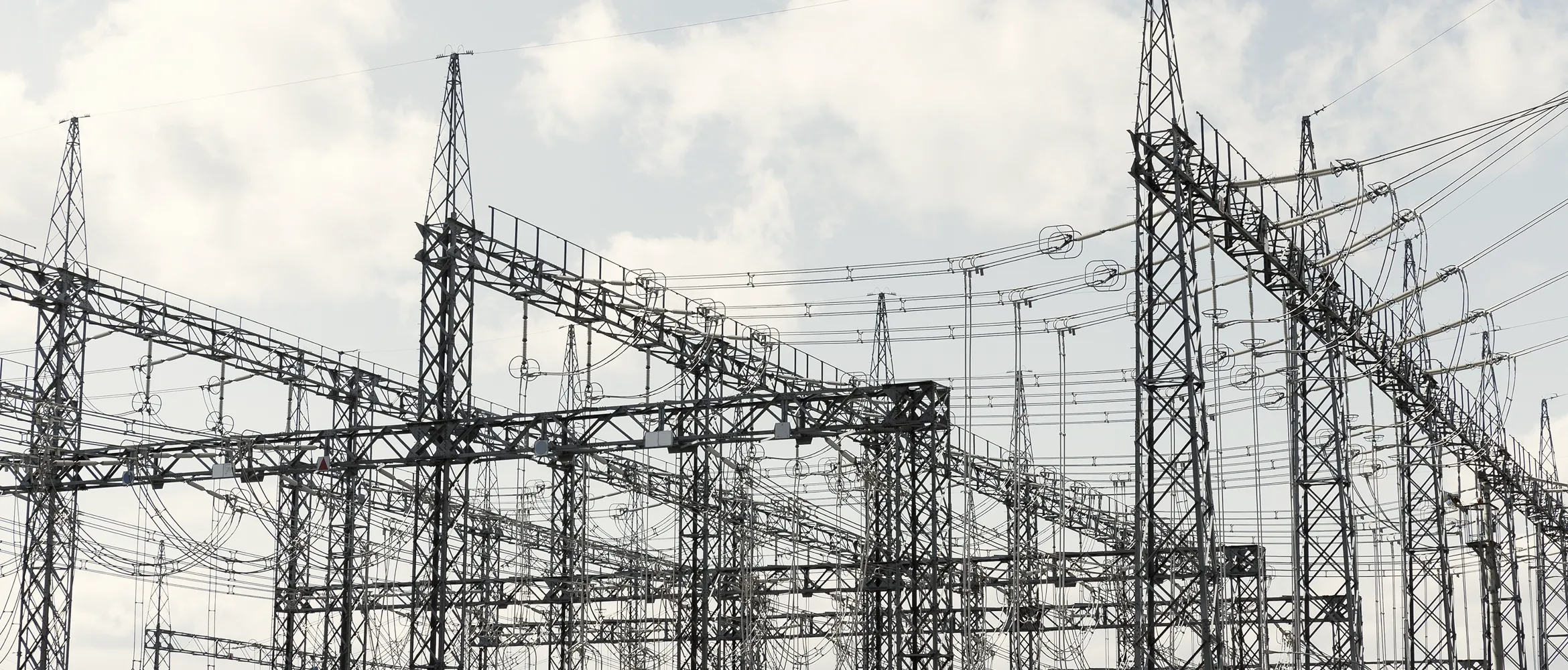
What the civil scope on a grid station covers in Pakistan, why tolerances are tighter than most building work, and where these projects typically run into trouble.