



.webp)



What a Construction Company Profile Should Actually Contain
Read more


Construction in Pakistan has traditionally been slow, wasteful, and unpredictable. Weather delays, labour shortages, and quality issues plague conventional building methods. But a new approach is gaining traction: modular construction. By manufacturing building components in a factory and assembling them on site, contractors can cut project timelines by half, reduce waste, and improve quality control.
The top construction companies in Pakistan are at the forefront of this shift. They have invested in precast concrete plants, panelised wall systems, and off‑site fabrication facilities. These firms are not just experimenting; they are delivering real projects that prove modular works in Pakistan's unique environment.
This blog highlights the leaders in modular innovation, the specific technologies they use, and the projects that demonstrate their capability. For an overview of how modern construction methods are reshaping the industry, visit AMCORP's homepage.
Several top construction companies in Pakistan have embraced modular methods. While no official ranking exists, clear leaders emerge based on project portfolios and technology adoption.
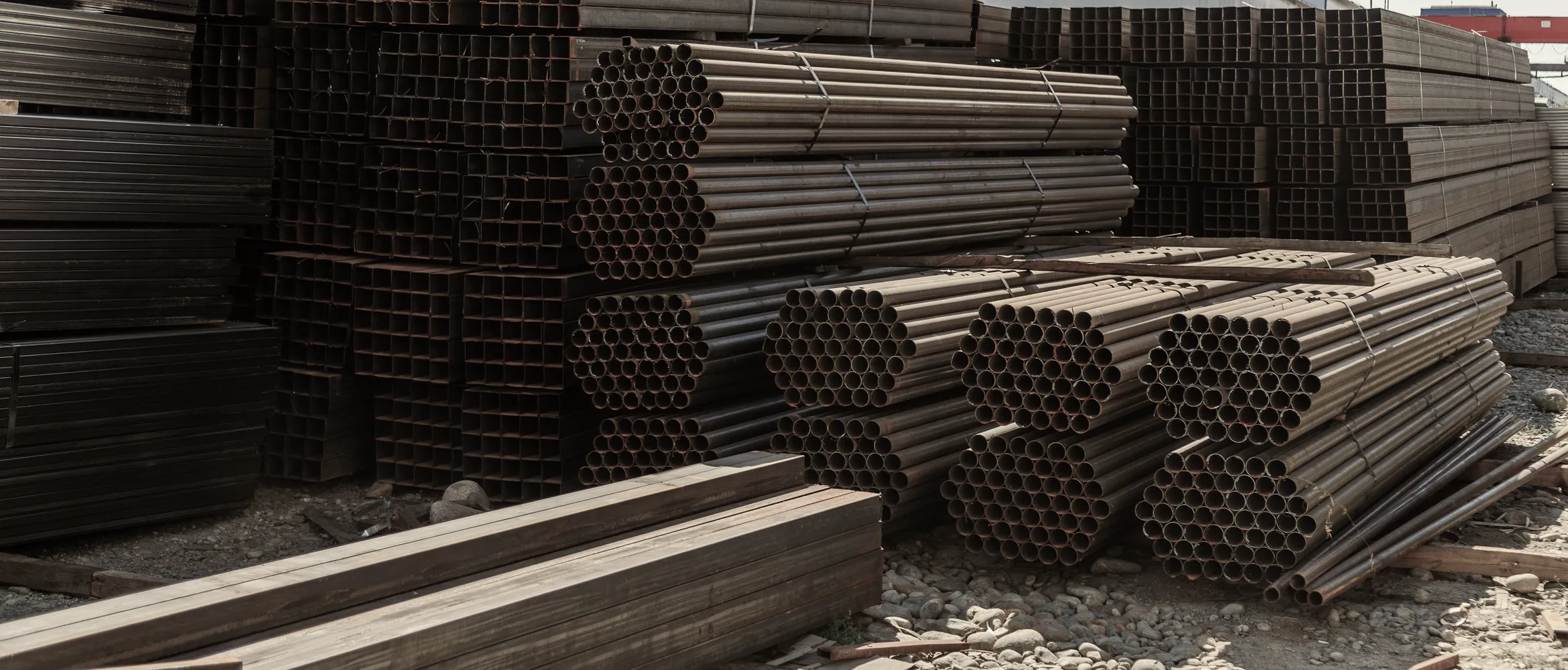
AMCORP has demonstrated modular capability through precast concrete applications. The Parco precast wall project is a prime example. Precast wall panels were manufactured off‑site, then transported and installed quickly. This reduced on‑site labour, improved consistency, and shortened the schedule. Precast concrete works well for industrial buildings, boundary walls, and multi‑storey structures.
Other leading firms include those with dedicated prefabrication yards for steel structures, sandwich panels, and bathroom pods. The Pakistan Engineering Council (PEC) has recognised precast and prefabricated systems as valid construction technologies.
What sets leaders apart? They invest in factory equipment, train workers in modular assembly, and integrate modular design from the project's outset. Their portfolios include repeatable modules such as housing units or school classrooms. The Modular Building Institute (MBI) defines modular construction as a process where buildings are at least 70% complete off‑site.
The top construction companies in Pakistan have moved beyond pilot projects. Here are real examples.
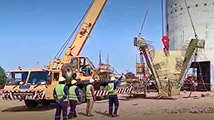
Parco precast wall - Korangi, Karachi. This industrial project used precast concrete walls manufactured locally. Panels included embedded conduits. On site, a crane lifted panels into place. The result: a durable boundary wall completed in weeks instead of months. This project is part of a larger portfolio of structural building works.
ABL Sundar Estate - industrial warehouse. The ABL Sundar Estate project incorporated precast elements for speed and consistency. Precast concrete offers better uniformity than cast‑in‑place, leading to higher quality finishes.
ABL Sabzi Mandi - commercial building. Another example is the ABL Sabzi Mandi project. Precast components reduced on‑site congestion and allowed other trades to start earlier, compressing the overall schedule.
These projects show that modular construction is already delivering value. The top construction companies in Pakistan use precast concrete, panelised walls, and prefabricated steel structures across industrial, commercial, and infrastructure sectors. The International Code Council (ICC) provides guidelines that leading contractors reference for building code approvals.

Modular construction offers unique benefits in Pakistan, but also faces local hurdles. The top construction companies in Pakistan navigate these successfully.
Advantages specific to Pakistan:
Challenges and how leaders overcome them:
The Pakistan Green Building Council encourages modular construction as a sustainable practice. Reduced waste and lower carbon emissions align with green building goals.
If you are planning a project and want to use modular methods, here is how to identify the top construction companies in Pakistan for the job.
Ask for modular project examples. Do not accept general claims. Request specific project names. The Parco precast wall project is one example. Also ask for EPC projects that involved off‑site fabrication.
Check their factory or supplier relationships. Do they own a precast plant or have a long‑term partnership? Contractors relying on ad‑hoc suppliers may face quality issues.
Review their design process. Modular requires detailed BIM or shop drawings. Our technology and innovation approach includes BIM for modular design.
Verify safety records. Factory work is safer, but crane lifts and transport have risks. Ask for safety records on modular projects. The safety milestones from conventional projects also indicate overall safety culture.
Get references from past modular clients. Call the owners of completed precast or prefab projects. Ask about speed, quality, and approval issues.
By following this process, you will separate genuine modular leaders from generalists who only talk about innovation.
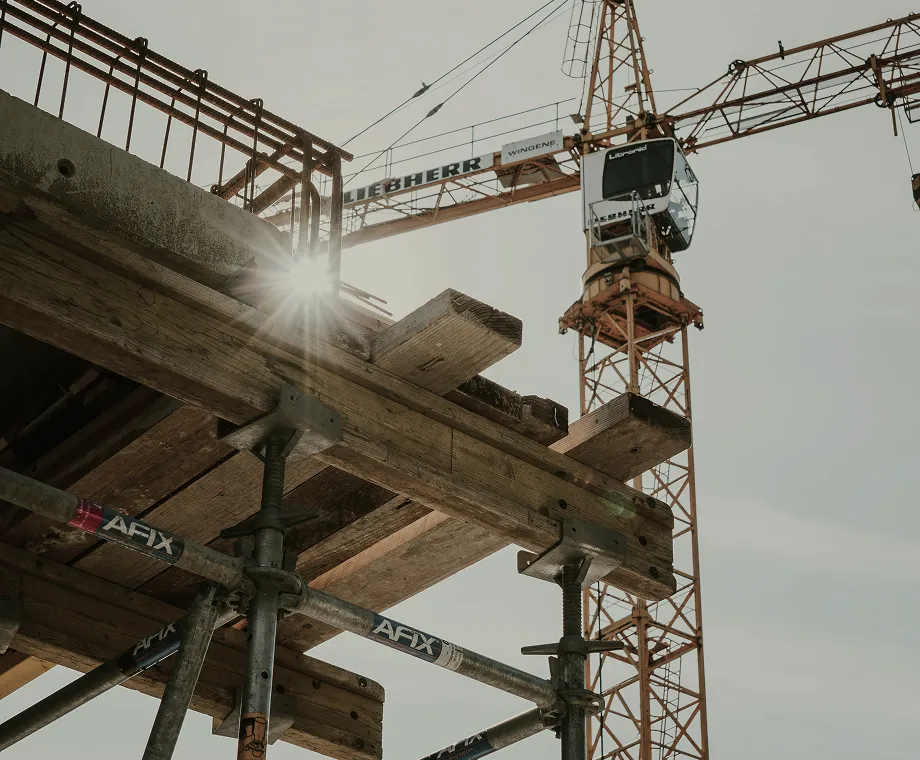
Modular construction is not a passing trend. The top construction companies in Pakistan are investing in precast plants, training programmes, and digital design tools. Clients increasingly demand faster delivery, predictable costs, and sustainable practices.
In the next few years, expect more complete modular solutions: bathroom pods, hotel rooms, even housing units manufactured off‑site. Early adopters will dominate the market.
For clients, the message is clear. If you need a warehouse, school, or office building, ask your contractor about modular options. Compare timeline and total cost. Modular can save months and reduce on‑site headaches.
To see how AMCORP integrates modular thinking into large‑scale projects, explore our structural building portfolio and EPC projects. Choose a leader.

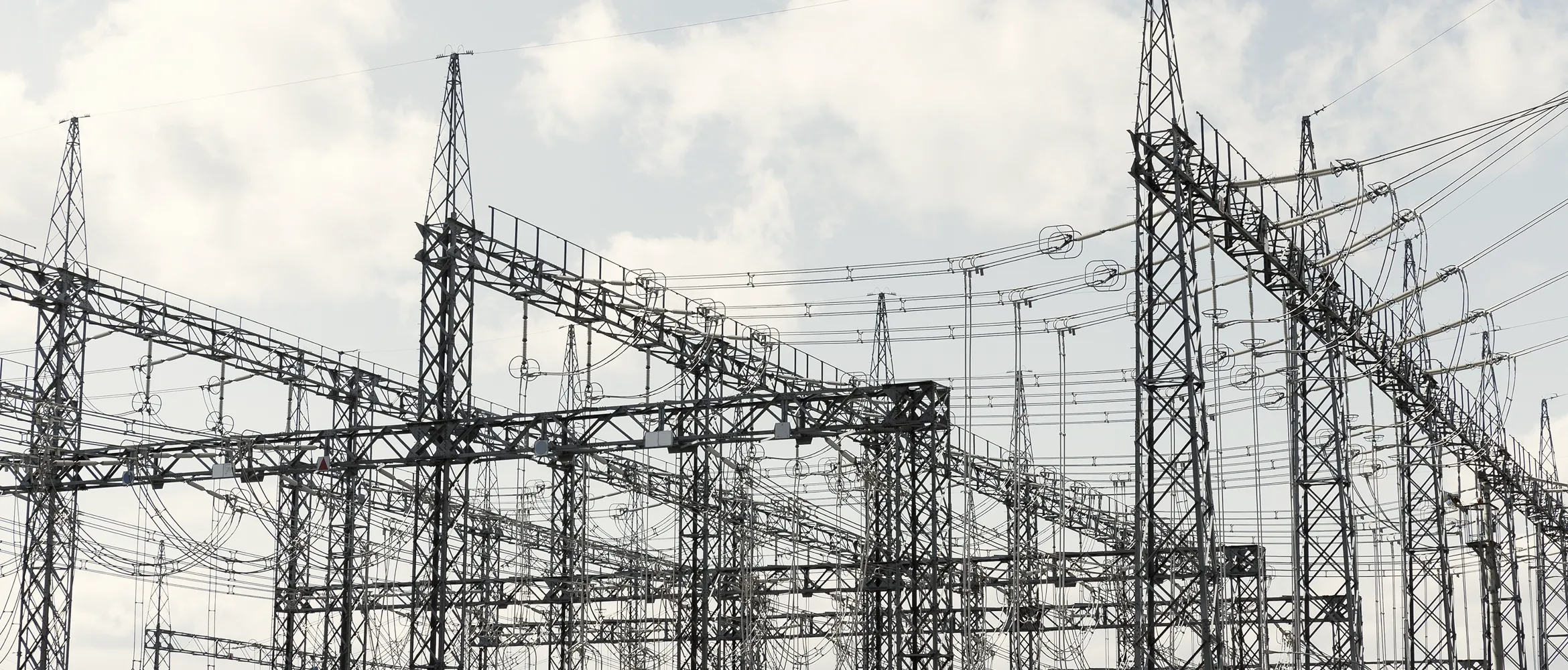
What the civil scope on a grid station covers in Pakistan, why tolerances are tighter than most building work, and where these projects typically run into trouble.