



.webp)



Who Does What on a Large Construction Site
Read more


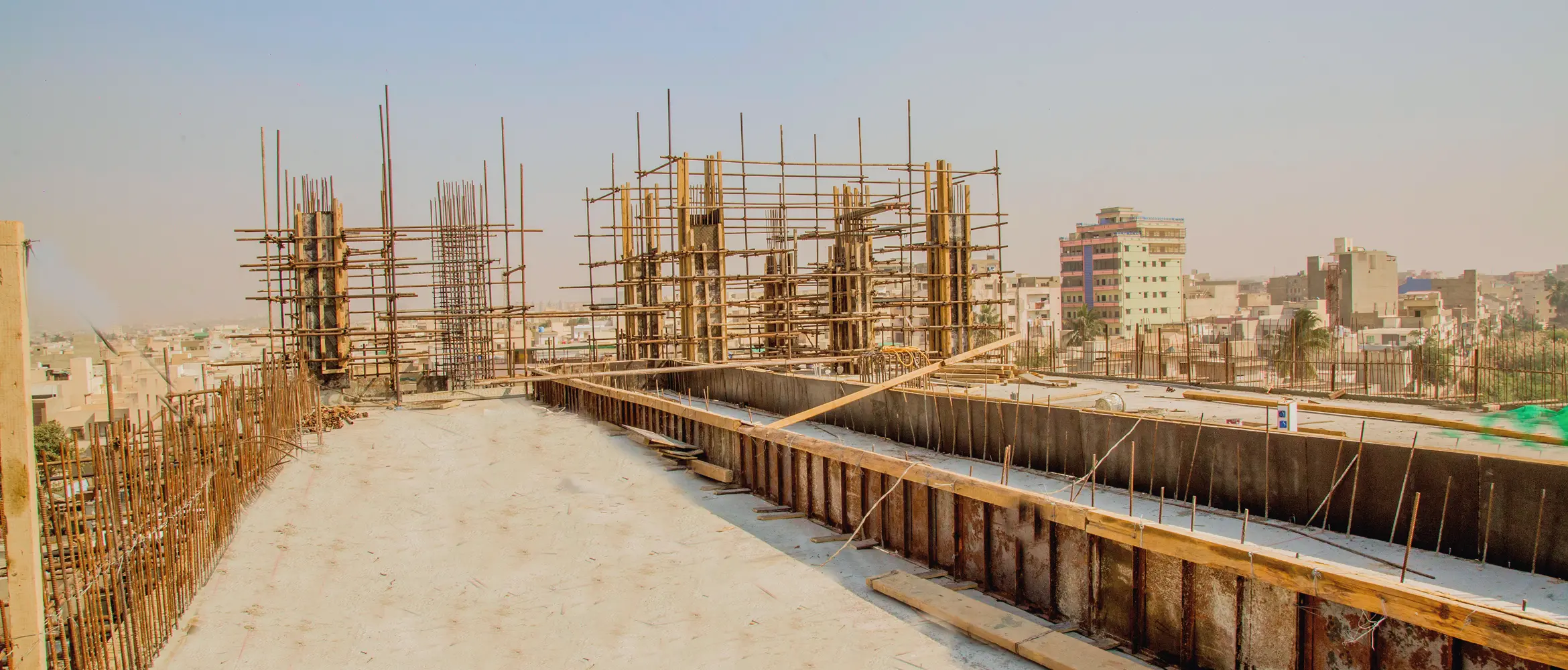
Choosing the wrong general contractor on a large project does not just cause delays. It can compromise the entire structure, exhaust the budget, and leave a client with legal disputes that outlast the building itself. In Pakistan's construction sector, where project complexity is rising fast, from high-rise towers on coastal land to industrial plants in remote desert terrain, the decision of who builds your project is the most consequential one you will make.
Most clients evaluate contractors on price. That is understandable. But on large-scale projects, the cheapest bid and the best outcome rarely come from the same place. What actually separates a capable general contractor from one that will struggle is far more specific and far more visible, if you know what to look for.
This blog covers exactly that. The markers of genuine contractor capability in Pakistan, what questions to ask, and what past project evidence actually tells you.
A general contractor on a large project is not just a builder. They are the operational centre of the entire delivery. Engineering, procurement, subcontractors, inspections, and client communication all run through them. That demands technical depth, organisational discipline, and on-ground experience.
General experience is not enough. A contractor who has built commercial offices in Karachi is not automatically qualified to execute a port berth expansion or an industrial gas plant. Look for direct experience in your specific project category, with verifiable project names, client references, and completion records.
ISO 9001 and ISO 45001 are the international benchmarks. They represent documented processes, internal audit systems, and a workforce trained to consistent standards. A contractor without these is operating on informal systems that break down under pressure.
The best construction contractors have resident engineers, drawing review processes, and RFI management systems that keep engineering and construction aligned throughout. When a site condition changes at 10 pm on a remote project, that decision cannot wait. The Institution of Civil Engineers provides a useful reference for what genuine engineering integration looks like.
Ask specifically about projects that went wrong and how they were recovered. The answers tell you far more than a polished portfolio.
Technical capability gets a project built. Commercial discipline is what keeps it from falling apart mid-way. On large-scale projects in Pakistan, most disputes and client breakdowns do not happen because of engineering failures. They happen because of how variations, claims, and payments are managed when things shift.
And on large projects, things always shift. Scope changes. Ground conditions differ from expectations. Material prices move. A contractor is not truly tested when everything goes to plan. They are tested when a scope change arrives at week fourteen, a utility provider delays by three months, and two invoices are already sitting unpaid.
Look for contractors who maintain formal variation logs, issue change requests in writing before proceeding, and have a structured claims process that is transparent to the client. A contractor who absorbs scope changes silently and then presents a surprise bill at project end is a red flag, not a sign of flexibility.
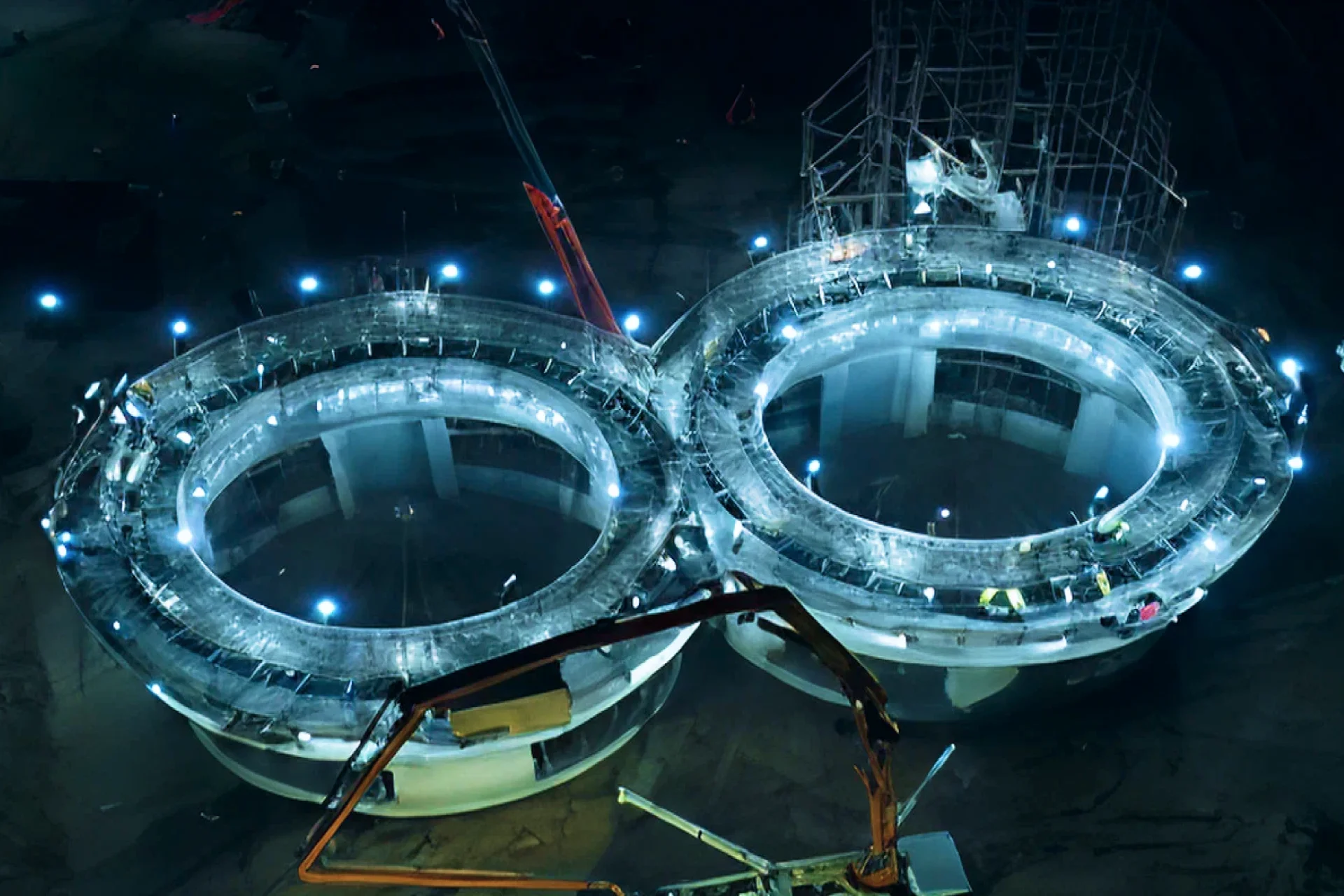
On the QICT Berth Expansion at Port Qasim, ground conditions on 28 acres of reclaimed coastal land required design revisions and real-time methodology changes. What kept that project on track commercially was the same discipline that kept it on track technically. Documented processes, structured communication, and a team that treated every variation as a formal event rather than an informal conversation.
Most project problems are visible before the contract is awarded, if you know what to look for. These warning signs are worth treating seriously:
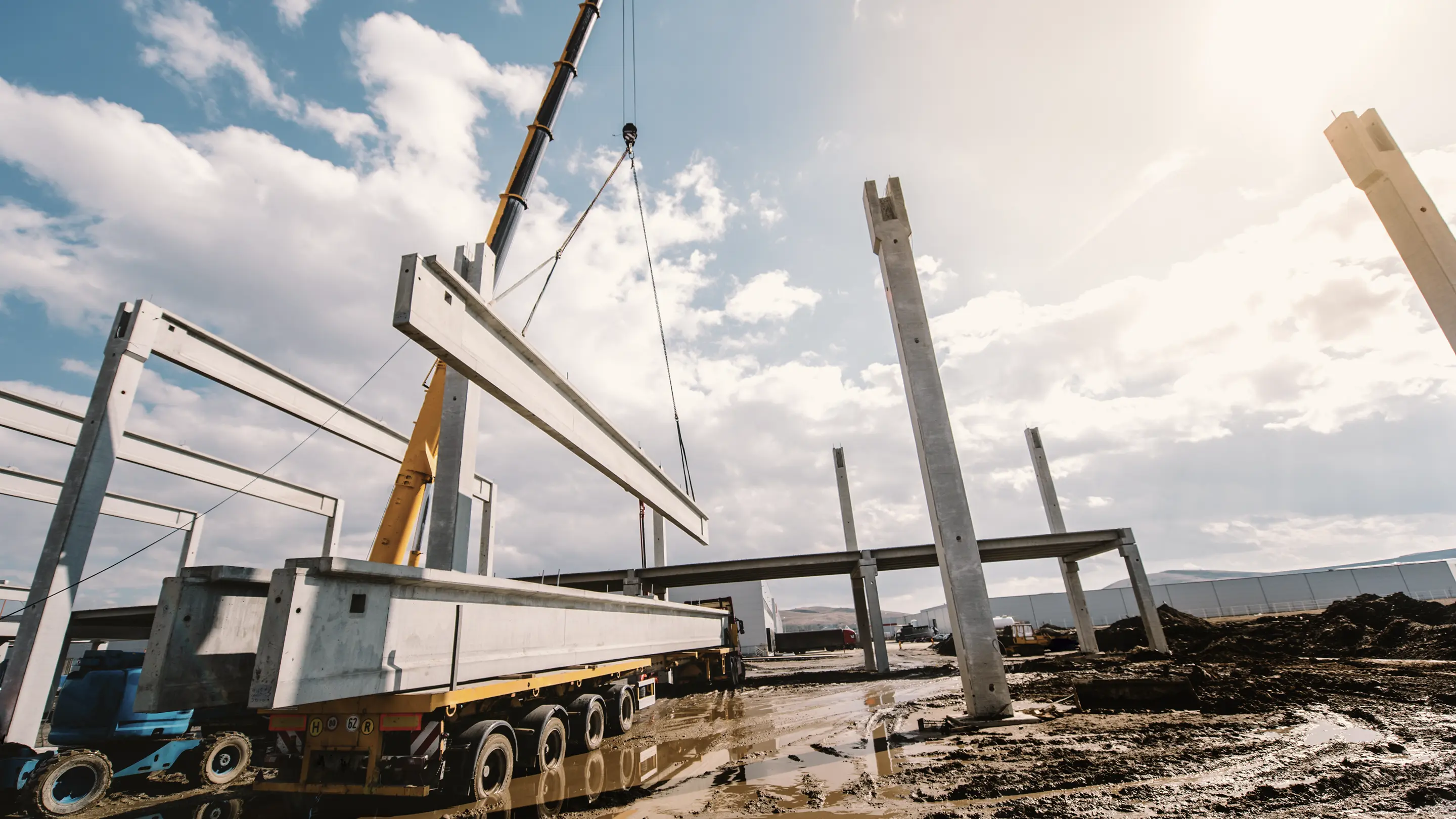
Technical and commercial capability means very little if a contractor cannot navigate the specific operational environment that Pakistan's large projects sit within. This is where experience on Pakistani soil, not just global credentials, becomes decisive.
NOCs and approvals on large urban projects in Karachi, Lahore, and Islamabad can involve multiple authorities simultaneously. KDA, DHA, KWSB, K-Electric, NESPAK, and federal bodies can all have jurisdiction depending on the project type. A contractor who understands which approvals run in parallel and how to manage timelines around delays is worth considerably more than one encountering this process for the first time on your project.
Utility coordination is one of the most underestimated sources of delay in Pakistan. A grid connection, water supply tie-in, or sewerage connection can each add months to a programme if not planned and chased proactively. This is institutional knowledge that cannot be improvised on the job.
Import and procurement logistics matter significantly on technically complex projects. Equipment sourced from Turkey, China, or Europe comes with lead times, port clearance procedures, and customs documentation that must be managed alongside the construction programme. A contractor without this experience will create critical path delays that they cannot recover.
The contractors who perform consistently across these conditions treat logistics, approvals, and procurement as part of the technical delivery, not as someone else's problem.
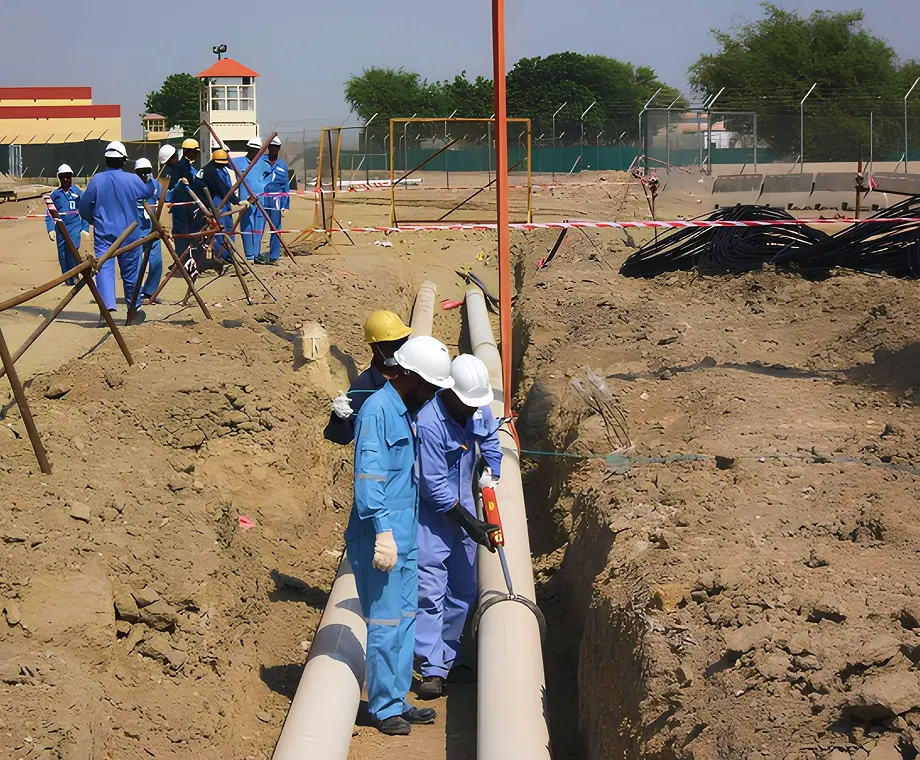
Every other project decision, from design choices to material specifications to programme management, gets filtered through the general contractor you appoint. A strong contractor makes every other part of the project easier. A weak one makes every other part harder, regardless of how good the design is or how reasonable the timeline was at the start.
Pakistan's infrastructure pipeline is serious. High-rise developments, port expansions, energy projects, and institutional buildings are being built at a scale and complexity the country has not seen before. The clients and developers behind those projects deserve contractors who are genuinely ready for them.
The right general contractor is not the one with the lowest number on the bid. It is the one with the most honest answer to every question you ask before the contract is signed.

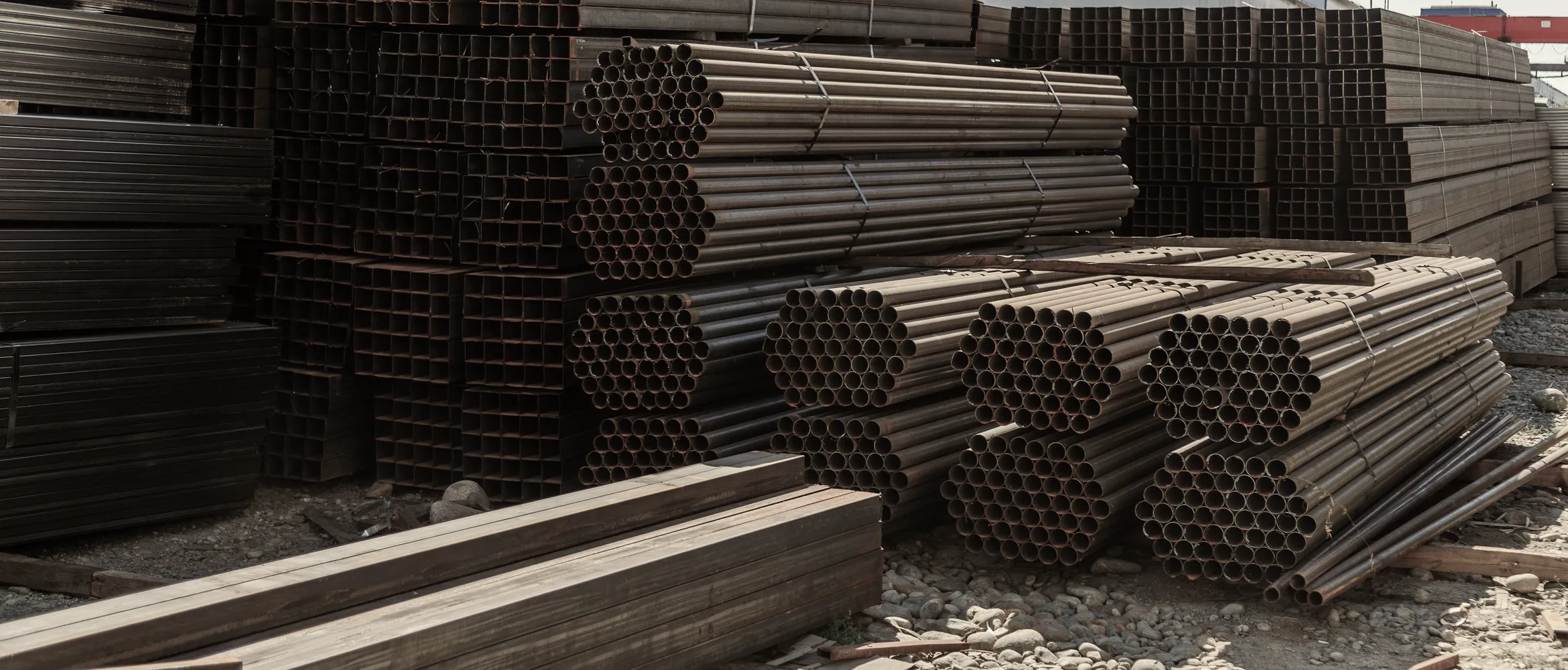
Where Pakistan's cement, bricks, steel, and aggregate are produced, how far they travel to site, and why sourcing distance shapes cost, schedule, and emissions.