


.webp)


Precast Roof in Pakistan: Where It Works and Where It Does Not
Read more



There is a moment on every large project where engineering and construction meet face to face, and if that meeting goes badly, the entire job suffers. We have seen it happen. A design that made perfect sense on paper arrives at a Karachi site and immediately runs into ground conditions, sequencing conflicts, or material realities that nobody accounted for. The drawings don't change. The deadline doesn't move. And the general contractor is the one who has to make both worlds work together.
That coordination is not a soft skill. On large-scale projects like gas plants, port expansions, and high-rise towers, it is the difference between delivery and disaster. At AMCORP, we have spent over six decades learning exactly where that gap lives and how to close it before it costs the client time or money.
Most people assume the general contractor manages logistics, covering schedules, deliveries, and subcontractors. That is part of it. But on technically demanding projects, the role goes much deeper.
Engineering produces a design based on assumptions about soil conditions, material availability, equipment dimensions, and construction sequences. Construction operates in reality, where those assumptions are constantly tested. The general contractor sits at the intersection of both, and their job is to protect the integrity of the design while making it physically possible to build.
On our civil works for the 160 MMSCFD Naimat Gas Plant in Sindh, the entire plant structure was fabricated in China. Over 3,000 anchor bolts had to be placed in concrete with millimetre-level precision before the equipment even left the factory. There was no margin for error and no opportunity to revisit. Our engineering and construction teams worked as one unit, with constant coordination, round-the-clock drawing reviews, and live design revisions managed in real time. The plant was delivered on time. That outcome was only possible because engineering and construction were never treated as separate departments.
On large projects, the general contractor is not a middleman. They are the operational brain that turns design intent into built reality.
EPC, which stands for Engineering, Procurement, and Construction, is the model where this integration is most visible. One contract, one team, one point of accountability. We have delivered multiple EPC projects across Pakistan, and the discipline it demands is significant.
Before mobilisation, our engineering leads and site teams jointly review every drawing package. Constructability issues, hold points, sequencing clashes, and long-lead procurement items are all resolved on paper. A problem caught here costs a conversation. The same problem caught during a pour costs weeks and sometimes months.
Our resident engineers are not observers. They resolve RFIs the same day, approve material substitutions in real time, and make technical decisions when site conditions differ from what was modelled. On our QICT Berth Expansion project at Port Qasim, covering 28 acres of coastal land being improved for DP World, ground conditions required continuous on-site engineering judgment. Piezometer and extensometer readings were taken daily. Design inputs from Fugro Dubai were applied live as ground behaviour evolved. That is what genuine engineering support on a construction site actually looks like.
ITPs are written by engineers but executed by construction teams. When both sides understand why a checkpoint exists and not just that it exists, quality outcomes are fundamentally different. We have built this culture across 56 cities and over 7.5 million LTI-free man-hours.
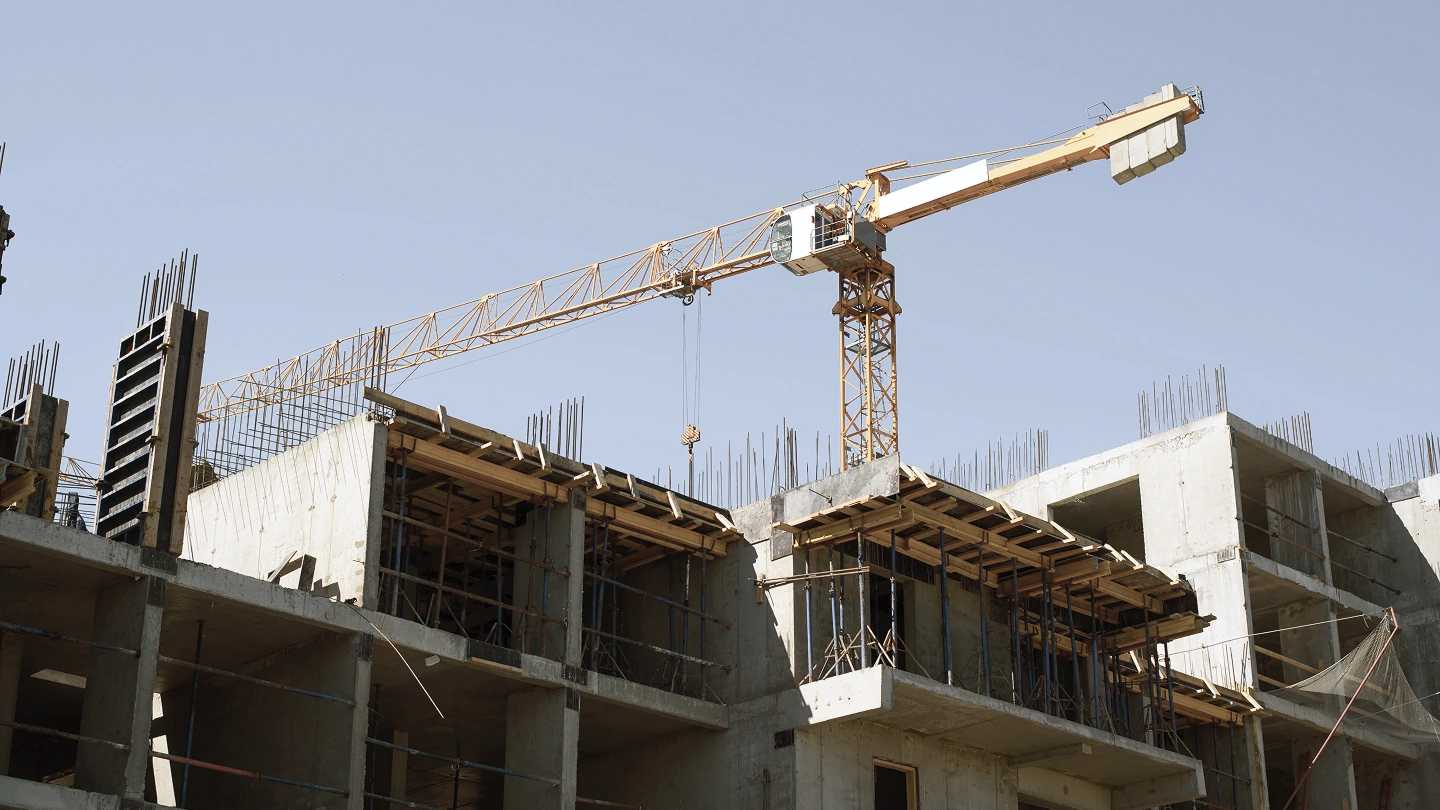
Karachi presents construction challenges that are not in most engineering textbooks. Reclaimed coastal land with unpredictable soft strata. Remote site conditions in Thar and Sindh's interior. Port-adjacent projects where tidal behaviour directly affects foundation design. Extreme heat that accelerates concrete curing beyond design assumptions and demands constant field adjustments.
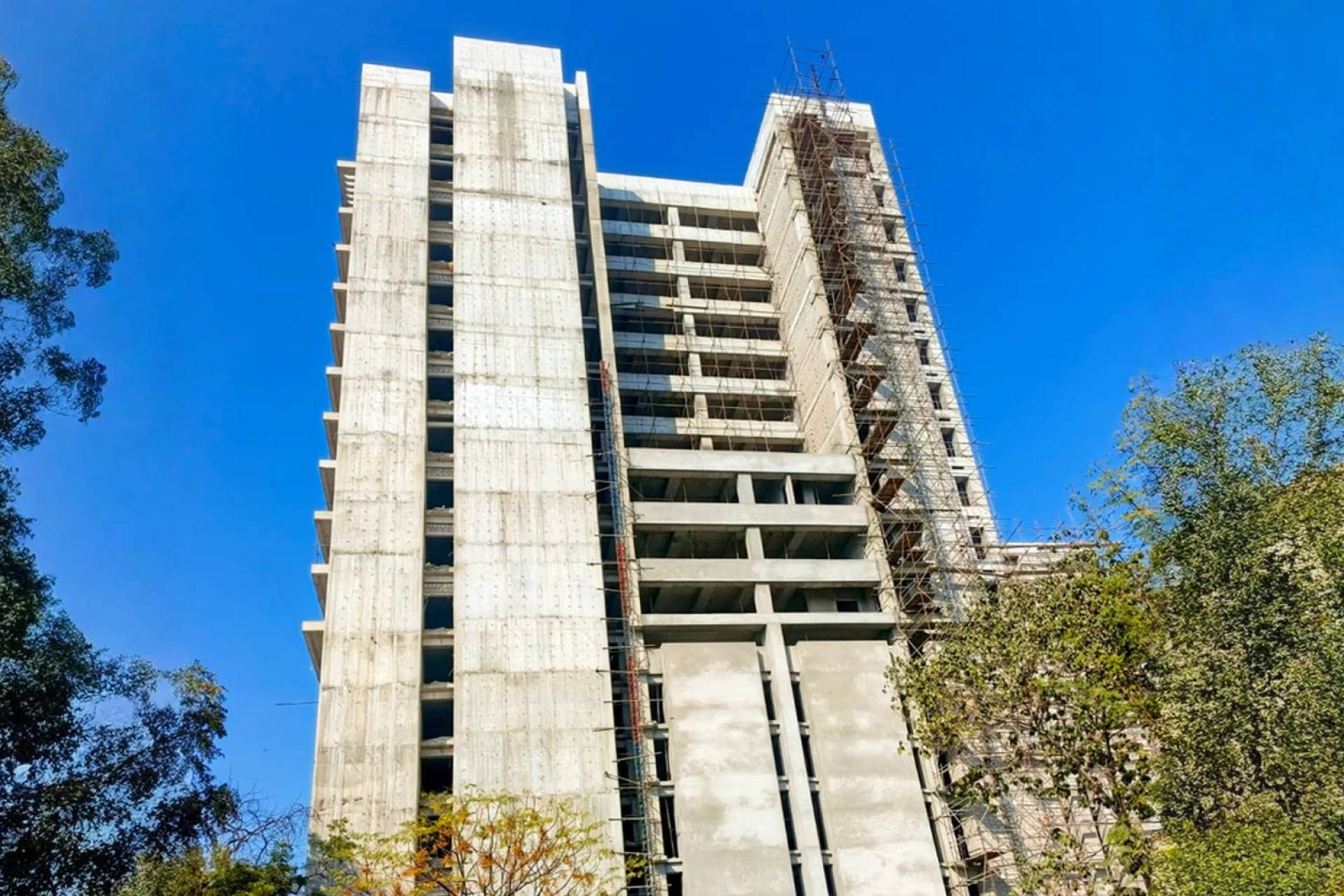
We laid the foundations for Pakistan's tallest residential building, Panorama Tower at Crescent Bay, standing at 42 stories on reclaimed land, within a 120-day timeline that other contractors declined. The piling scope alone involved 999 piles, excavation to 14 metres, and de-watering systems operating continuously throughout. That project succeeded because our engineering contractor and construction teams were solving problems together from day one, not handing off responsibility and hoping for the best.
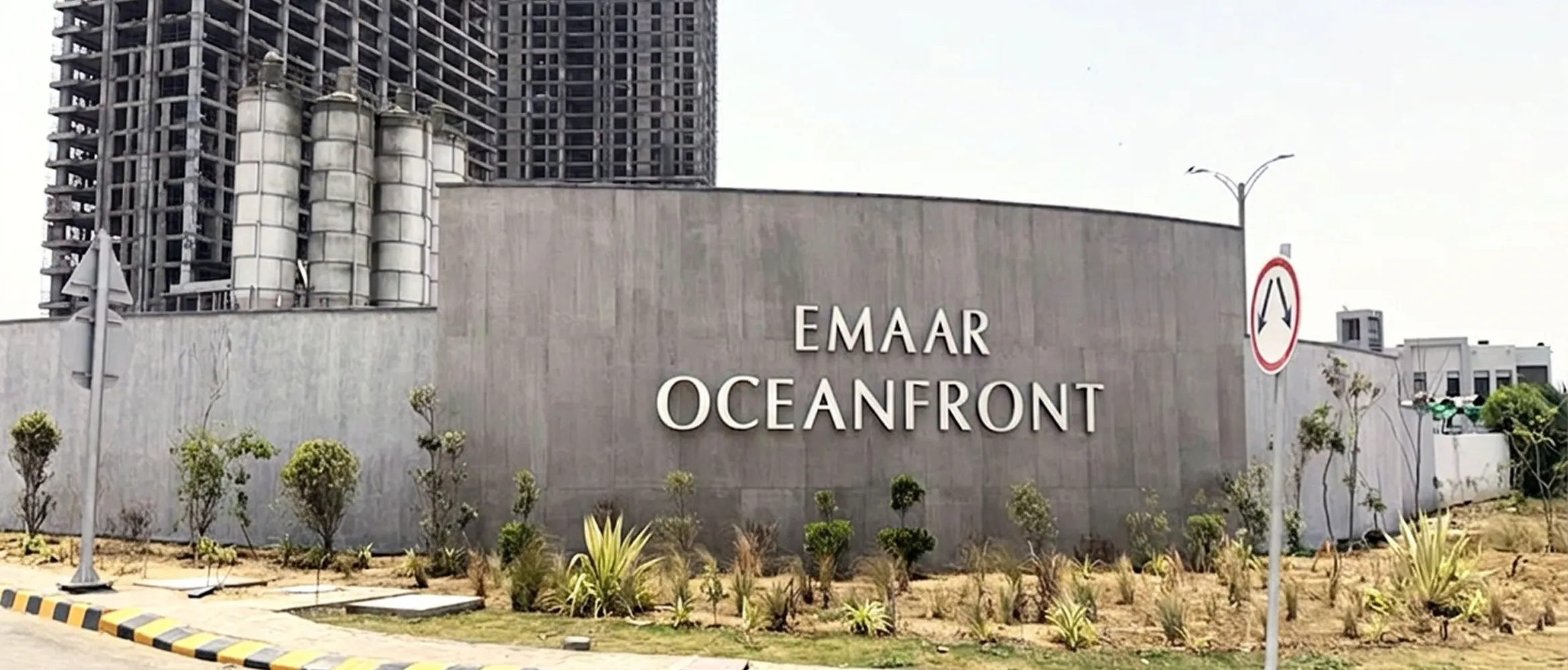
The same principle applied at Karachi Shipyard, where we executed an EPC contract for the Ship Lift Transfer System covering civil, electromechanical, and utility works under one team. And at EMAAR Oceanfront, where infrastructure works for Phase 2A required simultaneous coordination of sewerage, stormwater, MV feeder, fire suppression, and road works across a live development with no room for sequencing errors.
In Karachi, the gap between engineering and construction is not an inconvenience. It is a project risk. A capable general contractor eliminates that risk before it ever reaches the site.
It is worth being direct about what goes wrong when engineering and construction operate in silos, because it happens across the industry regularly.
Drawing revisions arrive after work is already complete. Material specifications never reach the procurement team. Hold points get skipped under schedule pressure, leading to expensive rework further down the line. Design assumptions about soil or groundwater conditions don't survive first contact with the actual site.
Each of these is a coordination failure, not a technical one. The knowledge existed. The capability existed. The problem was the gap between them, and the absence of someone whose job was to close it every single day.
Over 50% of our work comes from repeat clients. EMAAR has trusted us with multiple packages across Islamabad and Karachi. Allied Bank has awarded us branches, high-rises, and fit-outs across Pakistan. ENI and BHP brought us back project after project through the most demanding terrain in the country.
That repeat business is not built on competitive pricing alone. It is built on clients knowing that when they hand us a project, the engineering and construction sides will never be strangers to each other. Problems get caught early, decisions get made on site, and the job gets delivered.
Contracting is not just winning. It is delivering, every time, on every site, in every condition that Pakistan puts in front of us.

Construction companies in Pakistan rarely fail because of bad building work. They fail due to cash flow gaps, underbidding, weak contracts, and overextension during growth.