




.webp)




What a Construction Company Profile Should Actually Contain
Read more


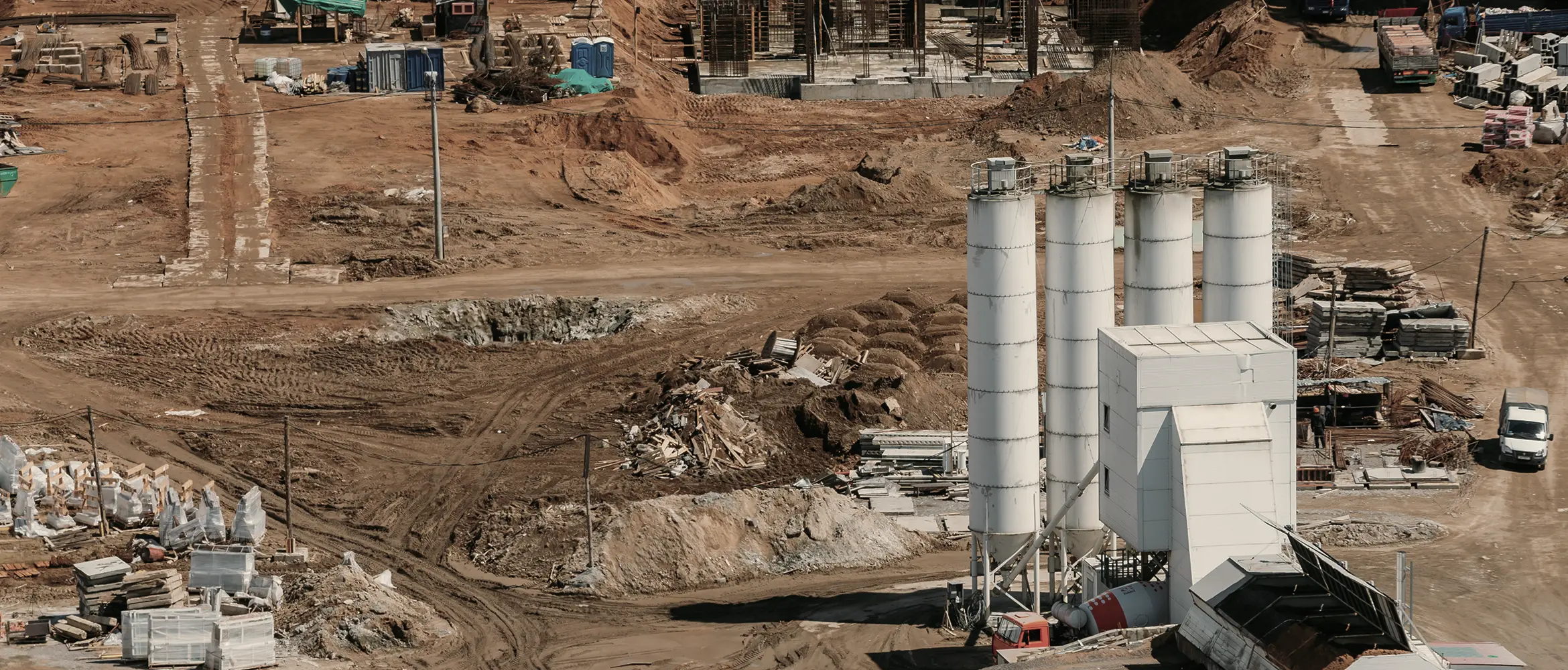
Industrial construction generates massive amounts of waste. Excavated soil, concrete offcuts, steel scrap, packaging, and hazardous materials pile up quickly. In Sindh, where industrial zones like SITE, Korangi, and Port Qasim are expanding, waste management is becoming a critical issue. Improper disposal harms the environment, attracts fines, and damages a contractor's reputation.
The best construction companies in Pakistan are taking waste management seriously. They are implementing systems to reduce, reuse, and recycle construction waste. They are also ensuring compliance with Sindh Environmental Protection Agency (SEPA) regulations. Contractors who ignore waste management risk legal action and lost business.
This blog explores how leading contractors in Pakistan are managing waste on industrial sites in Sindh. You will learn about waste segregation, recycling programmes, hazardous waste handling, and SEPA compliance. The Sindh Environmental Protection Agency (SEPA) has published guidelines for construction waste management, and top contractors follow these standards. Visit AMCORP's homepage to learn more about our sustainability approach and waste management practices.
Sindh is Pakistan's industrial heartland. Karachi, Hyderabad, and Port Qasim host thousands of factories, warehouses, and industrial facilities. Construction activity in these zones generates significant waste.
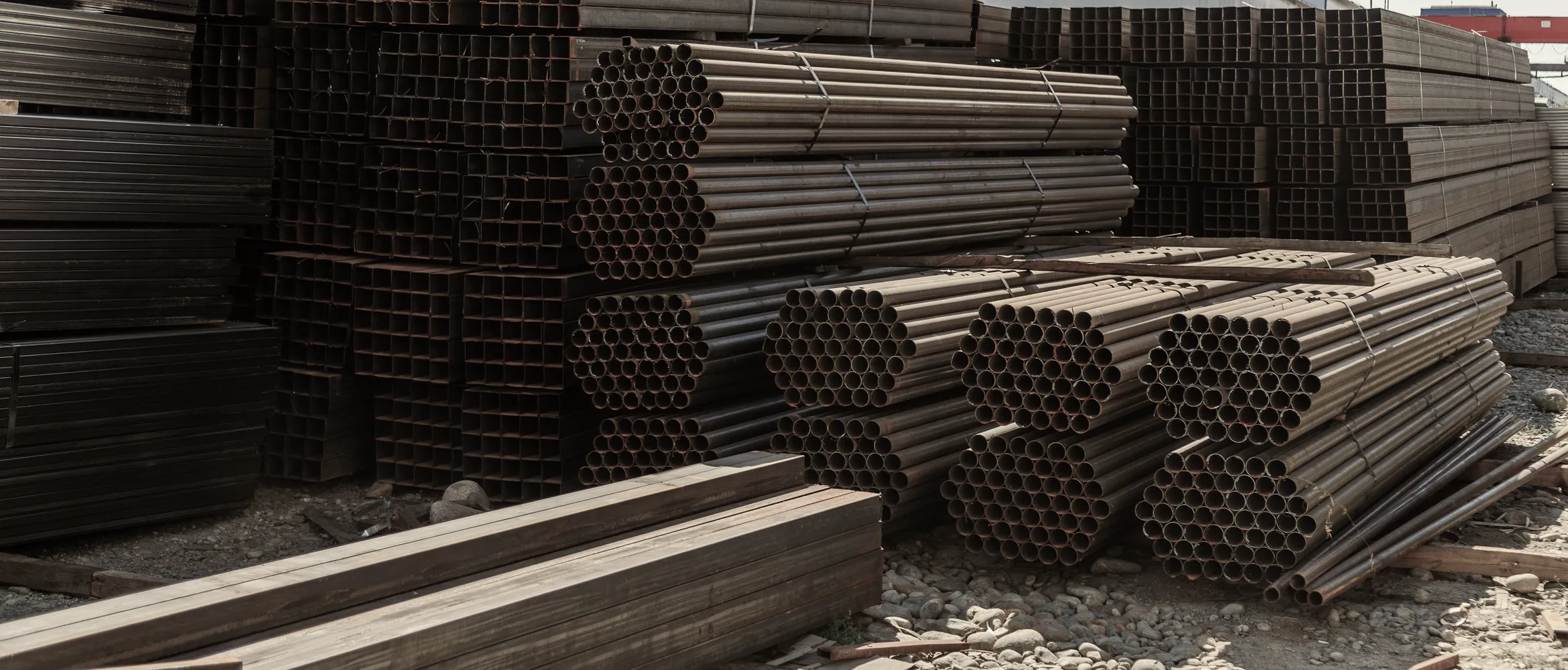
Types of waste generated. Industrial construction sites produce several types of waste. Excavated soil and rock are the largest volume. Concrete and masonry offcuts are common. Steel scrap from rebar and structural steel is valuable but must be separated. Packaging waste includes wood pallets, plastic wrap, and cardboard. Hazardous waste includes paints, solvents, oils, and asbestos. The World Bank has published research showing that construction waste accounts for a significant portion of industrial waste in developing countries.
The cost of poor waste management. Improper waste disposal is expensive. Landfill fees are rising. Fines from SEPA for non-compliance can be substantial. Reputational damage from environmental violations can cost future business. The best construction companies in Pakistan have calculated that investing in waste management is cheaper than paying penalties.
Regulatory pressure. SEPA has been increasing enforcement. Industrial construction sites are inspected regularly. Contractors found dumping waste illegally face fines and project shutdowns. For more on how leading contractors in Pakistan maintain compliance, read our article on licences, bonds, and safety.
The top construction companies in Pakistan view waste management as a competitive advantage, not a burden. For more on how sustainability is becoming a business imperative, read our article on green building trends.

The best construction companies in Pakistan use a structured approach to waste management. Here are the key strategies they implement on industrial sites in Sindh.
These strategies are not optional for the leading contractors in Pakistan. They are standard operating procedures. For more on how sustainability is embedded in project delivery, read our article on how leading contractors embed sustainability.
Implementing effective waste management in Sindh comes with unique challenges. The best construction companies in Pakistan have developed practical solutions.
Challenge 1: Limited recycling infrastructure. Sindh has limited recycling facilities for construction waste. Few contractors have on‑site crushers. Leading contractors invest in their own equipment or partner with recyclers. Some share equipment across multiple sites to reduce costs.
Challenge 2: SEPA enforcement variability. SEPA enforcement can be inconsistent. Some contractors ignore regulations and get away with it. The best construction companies in Pakistan do not wait for enforcement. They comply voluntarily because it is the right thing to do and reduces long‑term risk. For more on how leading contractors approach compliance, read our article on ethics and compliance.
Challenge 3: Cost pressures. Waste management adds costs. Clients often want the lowest price. Leading contractors educate clients on the long‑term benefits of responsible waste management: reduced liability, better reputation, and smoother approvals. The World Business Council for Sustainable Development (WBCSD) has published case studies showing that sustainable practices improve project outcomes.
Challenge 4: Lack of skilled labour. Workers often do not understand waste segregation. Contractors invest in training programmes. They use visual aids and simple instructions. Our career development programmes include training on environmental compliance.
Challenge 5: Space constraints. Industrial sites are often congested. Finding space for waste segregation bins is difficult. Contractors use vertical storage, modular bins, and off‑site segregation facilities.
Challenge 6: Transportation and logistics. Transporting waste to recycling facilities adds cost and emissions. Leading contractors plan logistics carefully. They consolidate waste and schedule transport efficiently.
The leading contractors in Pakistan treat these challenges as solvable problems. They invest in solutions that work in Sindh's context. For more on how contractors navigate Pakistan‑specific challenges, read our article on the provincial breakdown of contractors.

Waste management is no longer optional for industrial construction in Sindh. The best construction companies in Pakistan are leading the way with structured systems: waste segregation, on‑site recycling, material optimisation, hazardous waste handling, site cleanup, and reporting. They are also navigating local challenges: limited recycling infrastructure, SEPA enforcement variability, cost pressures, labour training, space constraints, and logistics.
For project owners in Sindh, the message is clear. Ask contractors about their waste management plans. How do they segregate waste? Do they recycle on‑site? How do they handle hazardous materials? Are they SEPA compliant? The answers will reveal whether your contractor is building responsibly or cutting corners.
For contractors, the message is equally clear. Invest in waste management systems now. Train your teams. Partner with recyclers. Comply with SEPA regulations. The contractors who lead on environmental responsibility will win the trust of clients and regulators.
To see how AMCORP manages waste on its industrial projects, explore our portfolio of EPC projects and our infrastructure works. Sustainable construction is the future, and it is already here.

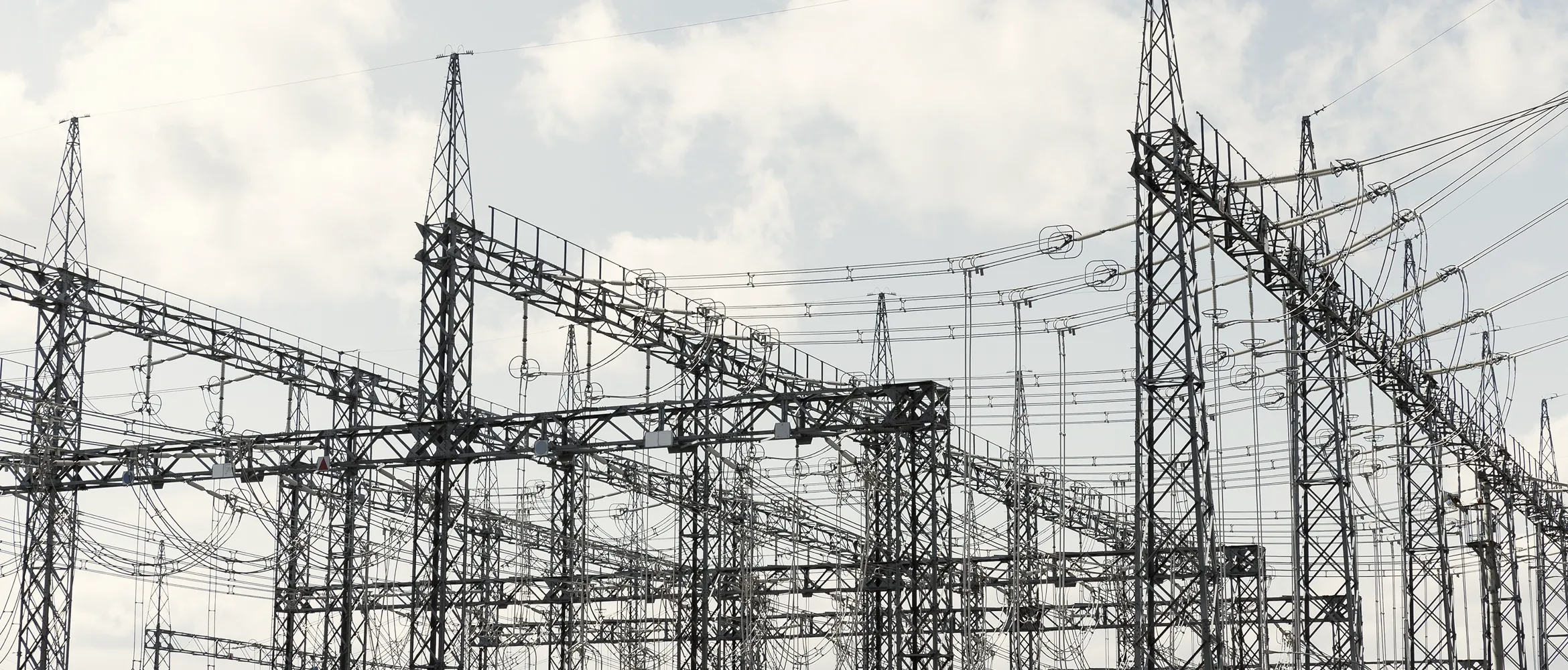
What the civil scope on a grid station covers in Pakistan, why tolerances are tighter than most building work, and where these projects typically run into trouble.