



.webp)





Construction Company, Contractor, or Developer: What Each One Actually Means
Read more


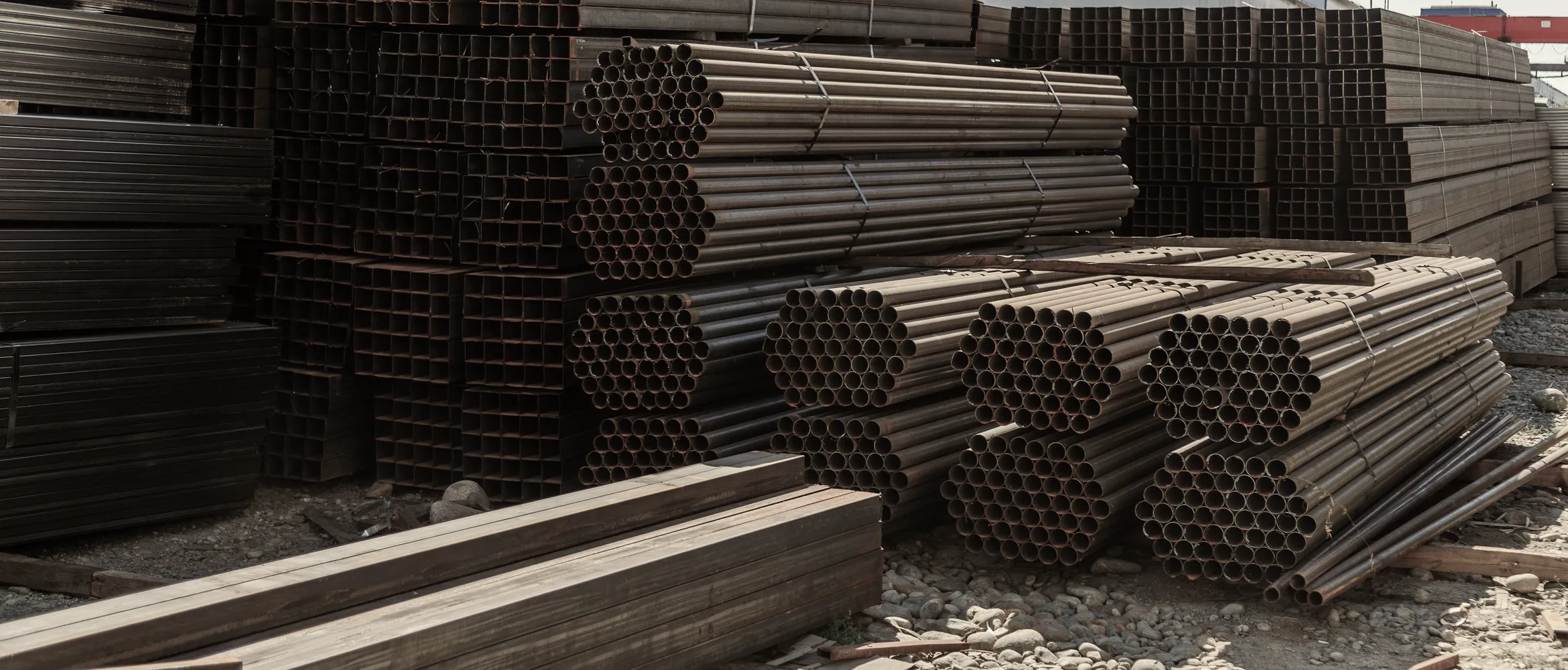
Cement in Pakistan is produced in two clusters: a northern group concentrated around the limestone belt in Punjab and Khyber Pakhtunkhwa, and a southern group in Sindh and Balochistan. Steel rebar comes largely from mills in Karachi and Lahore. Bricks come from kilns clustered near the cities they serve. Aggregate comes from wherever a workable quarry lies within economic haul distance.
None of that is unusual. What matters for a project is the distance between those sources and your site, because that distance drives cost, determines lead times, and accounts for a meaningful share of the project's carbon footprint.
Most estimates treat materials as a unit rate. Treating them as a supply chain gives a more accurate picture.
Cement production follows limestone. Pakistan's plants are located near the deposits rather than near the markets, which is why the industry splits geographically.
The northern zone is concentrated in areas of Punjab and Khyber Pakhtunkhwa with accessible limestone reserves. The southern zone sits in Sindh and Balochistan, serving Karachi and the coastal industrial belt. The two zones operate with different logistics, and the freight component of delivered cost differs accordingly.
For a project, three things follow. Delivered price is not the ex-factory price, and the gap widens with distance. Supply reliability depends on the plant's proximity and its allocation to your region during peak demand. And cement has a shelf life, so bulk purchasing ahead of need carries storage risk in humid conditions, particularly along the coast.
Cement is also the single largest source of embodied carbon in most concrete structures. Not the transport, the manufacture. Clinker production releases carbon dioxide both from fuel combustion and from the chemical decomposition of limestone itself. Reducing that means reducing clinker content rather than shortening the delivery route.
Brick kilns cluster around the cities they supply because bricks are heavy, low value per unit, and uneconomic to transport far. The kiln belt around Lahore, Kasur, and Sheikhupura serves central Punjab. Similar clusters serve Karachi, Peshawar, and other urban centres.
The relevant issue for a project is variability. Kiln output quality differs substantially between producers and between firings at the same kiln. Compressive strength, dimensional consistency, and water absorption all vary. On a project where masonry is structural rather than infill, that variation needs testing rather than assumption.
Kiln technology also matters environmentally. Zigzag kilns and other improved designs have been promoted across Punjab in response to air quality regulation, and they produce meaningfully lower emissions than traditional fixed chimney kilns. Specifying the kiln type is a straightforward procurement decision with a real effect.
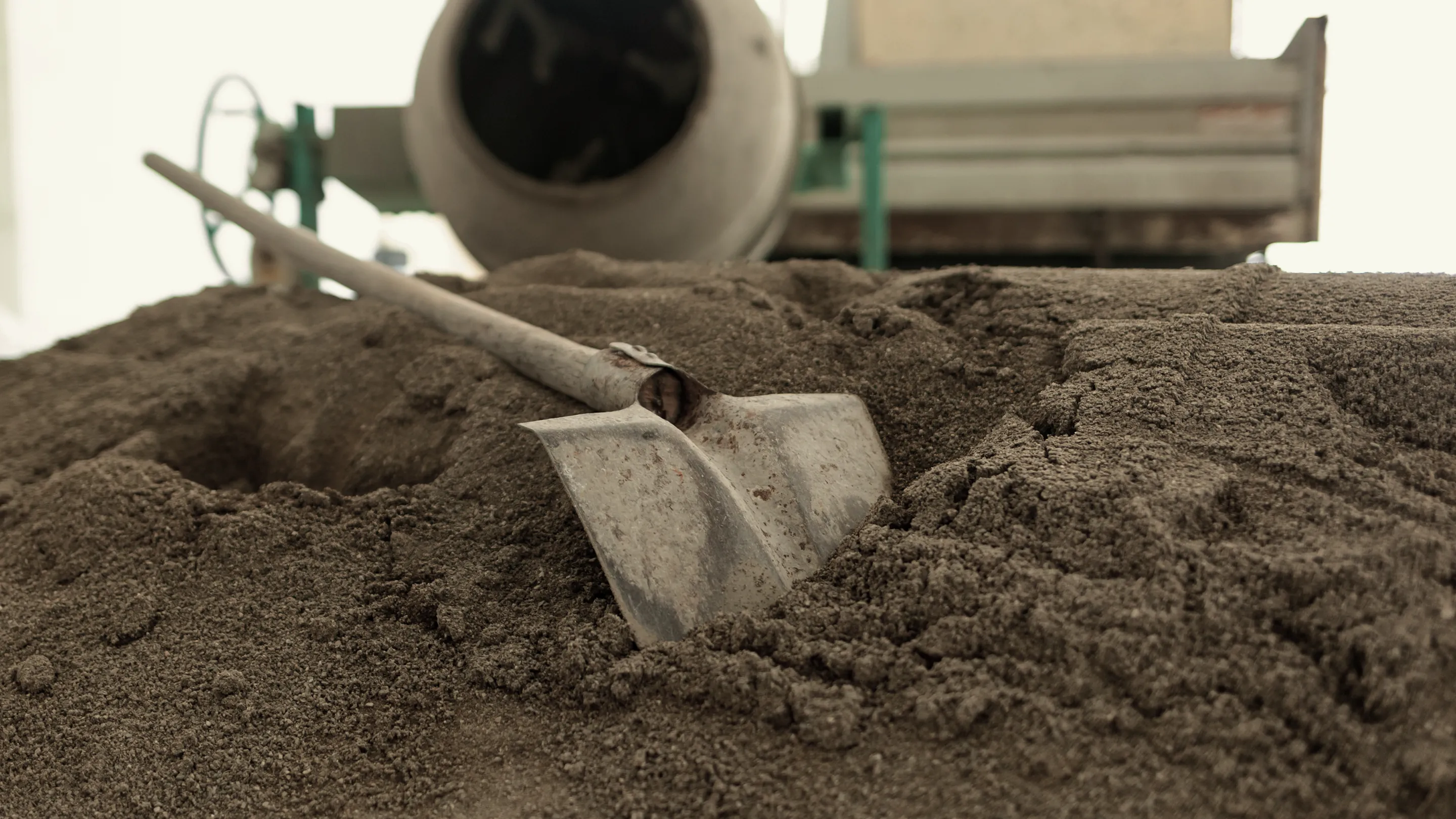
Rebar production is concentrated around Karachi and Lahore, drawing on both imported billet and domestic scrap. Because a large share of input is recycled scrap and much of the primary material is imported, delivered price tracks international commodity markets and exchange rates more closely than any other major input.
The practical consequence is price volatility over a project's duration. A steel rate priced at tender can move substantially before the reinforcement is ordered, and on projects without a price adjustment mechanism that movement sits with the contractor. This is one of the specific exposures that features in risk management on longer contracts.
Quality varies by producer. Grade compliance, dimensional tolerance, and consistency of rib pattern differ, and mill certificates should be verified rather than accepted. On structural work this is a QA/QC matter, not a procurement preference.
Aggregate comes from quarries, and quarries exist where the geology permits. Margalla crush serves the north. Various sources serve Sindh and the coastal projects. Sand comes from riverbeds and, in some coastal contexts, from marine sources.
Two issues recur. First, haul distance dominates delivered cost, because aggregate is low value and high mass. A site an extra fifty kilometres from a quarry pays for that on every cubic metre.
Second, marine and estuarine sand carries chloride content, which drives reinforcement corrosion if used untreated in reinforced concrete. On coastal projects this is a durability issue with a long tail. It does not fail immediately, it fails in fifteen years. Testing sand for chloride content before acceptance is standard practice on projects with proper quality control and skipped surprisingly often elsewhere.
Everything above assumes a site with reasonable road access to established supply. Remove that assumption and the picture changes.
On the well sites and energy projects in interior Sindh and the Thar Desert, the nearest concrete batching plant may be hours away. Materials arrive over unsealed access roads that the contractor may have built. A single delivery failure stops a work front, and there is no local supplier to fall back on.
The responses are structural rather than procedural. Batching on site rather than delivering ready-mix. Ordering in larger consignments with covered storage, accepting the working capital cost. Building float into the programme for supply disruption rather than assuming continuity. This is a large part of what exploration works delivery actually involves, and it is routinely underestimated at tender.
There is a tendency to present local sourcing as straightforwardly greener. It is more complicated than that.
Transport is a real but usually minor share of a material's total embodied carbon. For cement, manufacturing dominates by a wide margin. So sourcing cement from a plant two hundred kilometres away rather than four hundred reduces emissions somewhat, but switching to a blended cement with lower clinker content reduces them considerably more.
Where local sourcing genuinely helps is with heavy, low-value materials where transport is a large share of both cost and emissions. Aggregate, sand, and bricks fall here. Reducing haul distance on those is worth doing on both counts.
The measures with the largest effect are ones that reduce material quantity in the first place: efficient structural design, reduced over-specification, and reuse of formwork and temporary works. These sit upstream of procurement, in design, which is where the broader sustainability decisions on a project are effectively made. The World Bank has published extensively on emissions in South Asian construction supply chains for anyone wanting the underlying research.
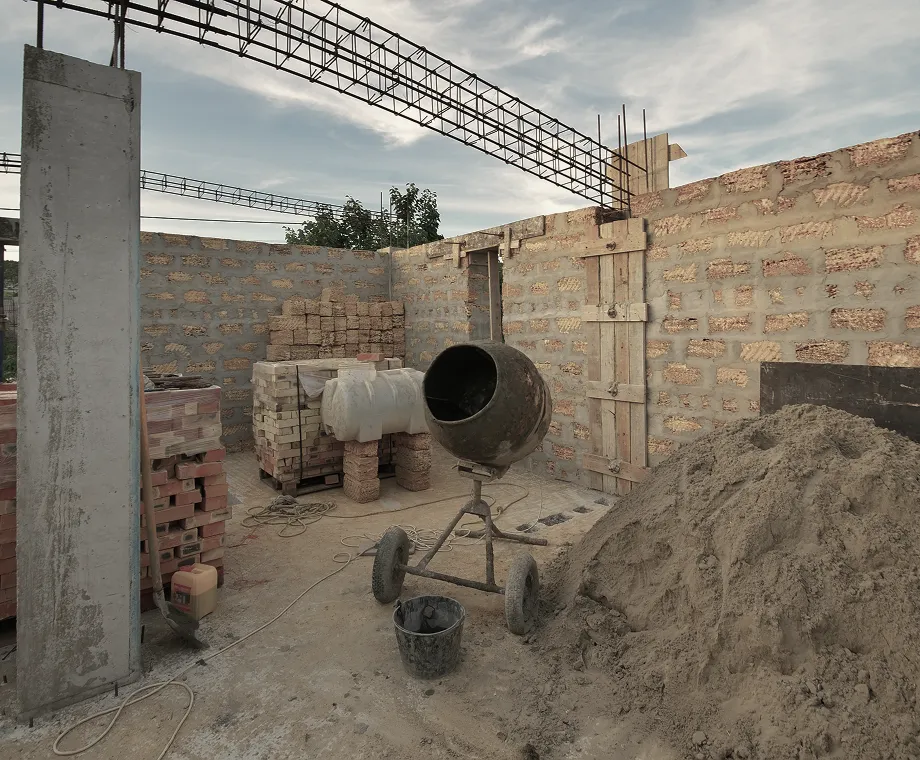
Establish, at the estimate stage rather than after award, where each major material comes from and how far it travels. Price the freight separately rather than absorbing it into a unit rate. Identify which materials carry genuine lead time and lock those into the programme.
Then test what arrives. Cement age and storage condition, brick strength and consistency, steel grade compliance, sand chloride content. These are cheap tests relative to the cost of discovering a problem after the structure is up.
Material sourcing looks like a procurement function. On any project of scale, it is a delivery risk, and treating it as one produces better outcomes on cost, programme, and emissions at the same time.

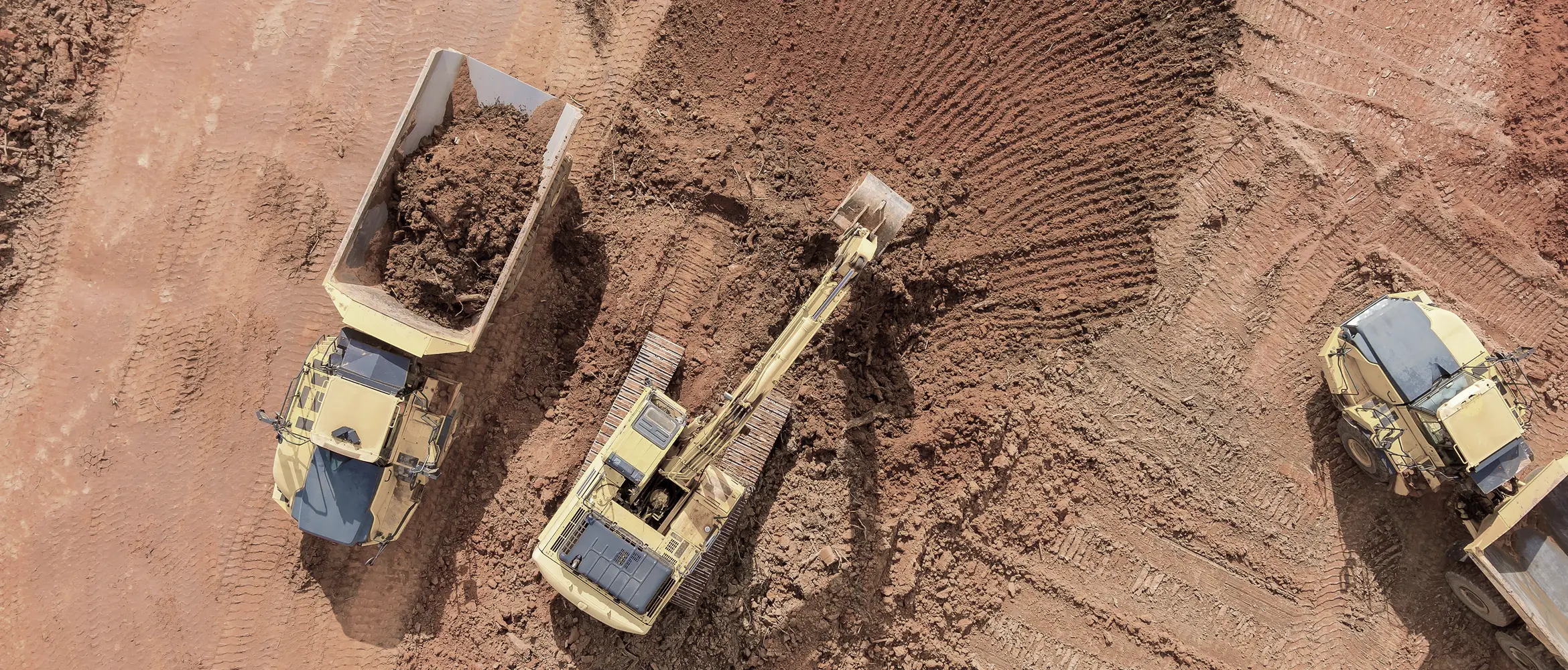
Who does what on a large construction site in Pakistan, covering project management, engineering, HSE, commercial, and support roles, and how the reporting lines connect.