



.webp)



Where Pakistan's Construction Materials Come From, and Why It Matters
Read more


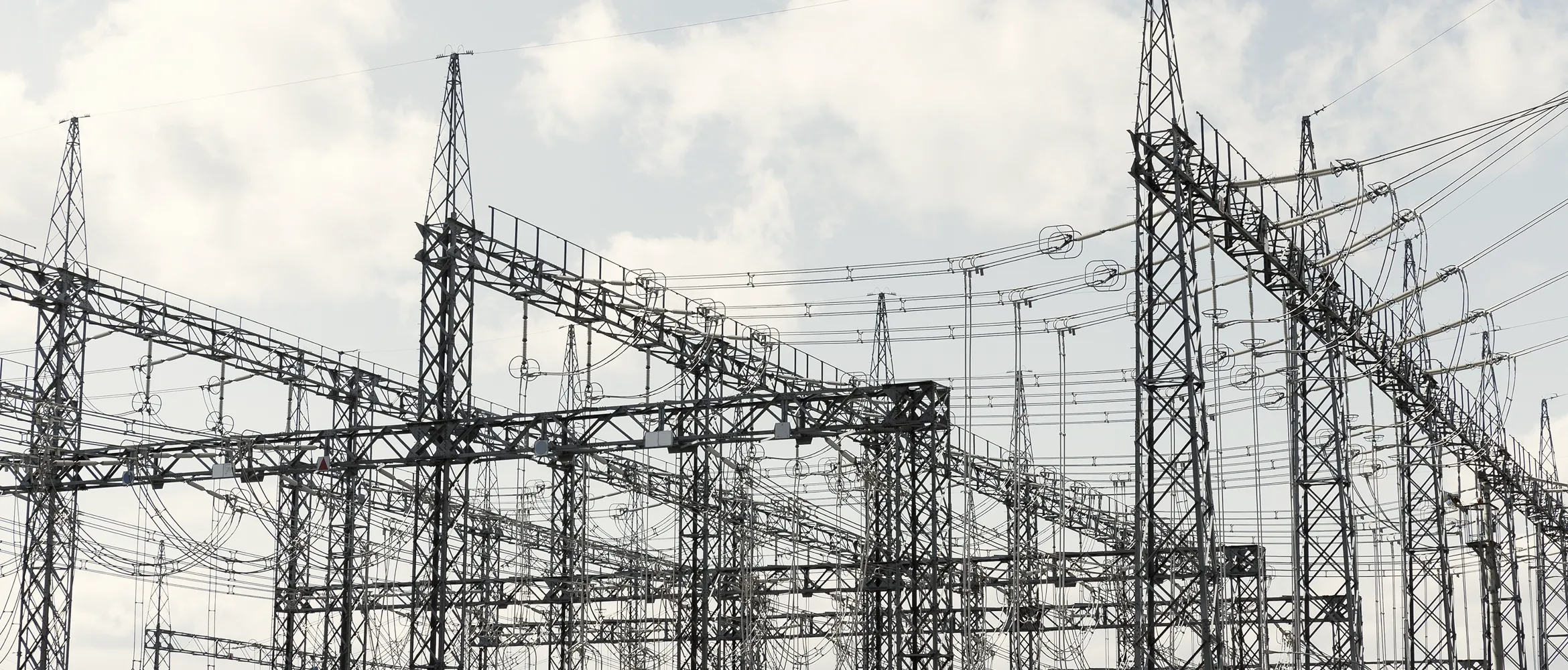
A grid station looks like a compound full of steel and equipment. The civil contractor's scope is almost everything you cannot see: the foundations under that equipment, the trenches carrying cable between it, the earthing grid beneath the surface, and the drainage that keeps water away from all of it.
It is a category of work that sits awkwardly between building and infrastructure. The structures are individually small. The tolerances are tighter than most building work. And the sequence is dictated almost entirely by an electrical installation programme that the civil contractor does not control.
Understanding that dynamic is most of what separates a grid station project that runs smoothly from one that does not
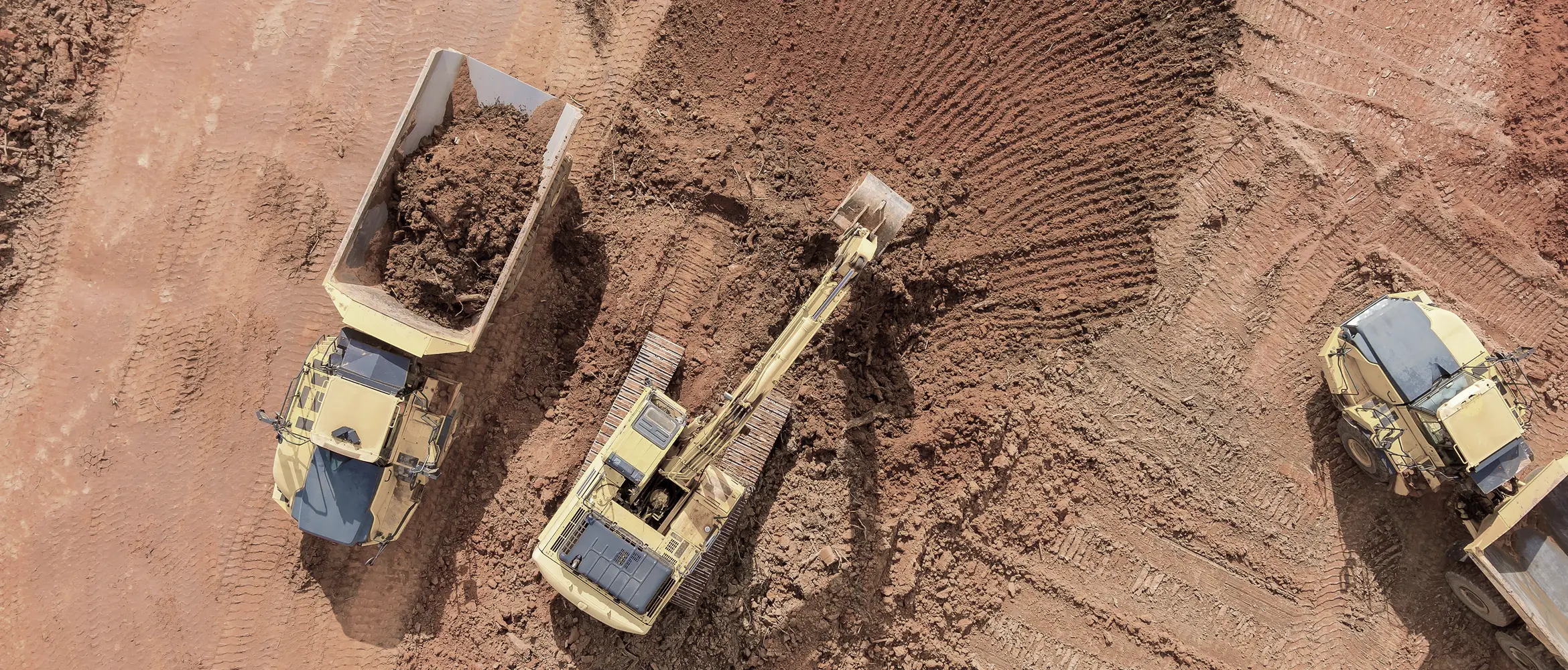
Site preparation and levelling. Clearing, cut and fill, compaction to specified density, and establishing the platform level. Grid stations need a flat, stable, well-drained platform, and getting this wrong propagates into every element built on top of it.
Equipment foundations and plinths. Transformers, circuit breakers, isolators, current and voltage transformers, and gantry structures all sit on individually designed foundations. Each carries specific loads, and each has anchor bolts that must be positioned to match equipment that is manufactured elsewhere.
This is where the tolerance issue becomes real. The bolts are set in concrete before the equipment arrives. If the setting-out is wrong, the equipment does not fit, and the remedy is breaking out and recasting a foundation on the critical path.
Control building. A conventional single- or two-storey structure housing switchgear, protection and control panels, batteries, and operations space. Straightforward building work, but with heavier floor loading than the footprint suggests and specific requirements for cable entry, fire separation, and environmental control.
Cable trenches and ducts. An extensive network of trenches carrying power and control cabling between equipment and the control building. Covered with removable slabs for access. The layout is dictated by the electrical design, and the routing has to be coordinated with foundations and earthing before excavation begins.
Earthing grid. A buried mesh of conductors installed below the platform, connecting to every structure and item of equipment. This is a safety-critical system, and because it goes in early and is then covered, errors are expensive to correct. Installation is usually a joint civil and electrical responsibility with clear demarcation needed at the outset.
Gantries and steel structures. Foundations and erection of the steel supporting overhead conductors and equipment. Alignment tolerances are tight because conductor spacing determines electrical clearances.
Firewalls. Reinforced concrete walls separating transformers, sized and positioned to contain the effects of a transformer failure.
Oil containment. Bunds and separation pits beneath oil-filled equipment, designed to contain a full oil release and prevent contamination of ground or drainage.
Surfacing, drainage, boundary wall, and access. Gravel or paved surfacing across the switchyard, storm drainage, perimeter security walls, gates, and internal roads capable of carrying a transformer delivery.
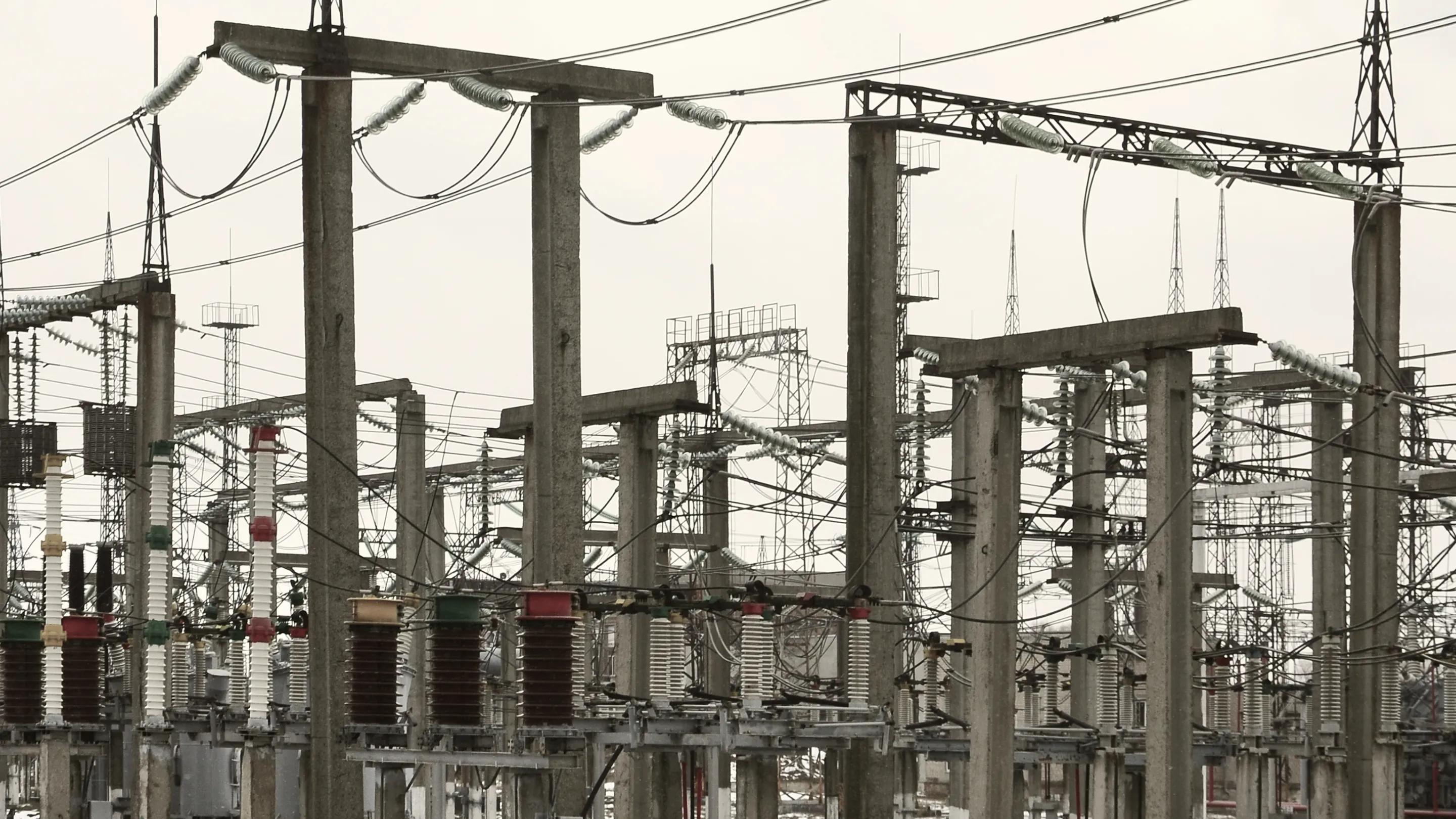
Most building tolerances allow reasonable adjustment during fit-out. Grid station equipment does not adjust.
Anchor bolt positions, foundation levels, and gantry alignment all have to match equipment manufactured to fixed dimensions, often imported, with long replacement lead times. A foundation cast fifteen millimetres out is not a snag item. It is a hold on the electrical installation programme.
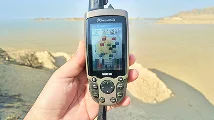
The discipline this requires is survey control. Establishing and protecting reliable control points, setting out from them consistently, and verifying positions before every pour rather than after. On our grid station work for Siemens, including the 220/132 KV GIS station at Gharo, that verification step is what keeps the civil scope off the critical path.
The civil contractor's programme is subordinate to the electrical one. Foundations must be complete and cured before equipment arrives. Trenches must be open for cable pulling, then closed before commissioning. Earthing must be installed before surfacing covers it.
Equipment delivery dates drive all of this, and they move. Imported switchgear delayed at port shifts the whole downstream sequence. A civil contractor who has planned around a fixed date without float is exposed to a delay they cannot influence.
The practical response is to sequence work so that independent fronts remain available. If transformer foundations are held up, the control building, boundary wall, and drainage can absorb resources rather than the site standing idle. That requires a programme built with this in mind rather than one that assumes linear progression.
On most grid station projects in Pakistan, the civil scope is a package under an electrical or EPC main contractor. Siemens and similar international suppliers hold the primary contract and appoint civil contractors beneath them.
Two implications follow.
First, the HSE and quality standards are the main contractor's, and they are typically more demanding than local practice. Permit to work systems, documented method statements, formal inductions, and audit regimes are contractual obligations. Performance against them affects whether you are invited to bid the next project.
Second, interface management becomes a large part of the job. The boundaries between civil and electrical scope, particularly around earthing, cable trench covers, and equipment installation, need to be settled in writing early. Assumptions about who does what tend to surface as disputes at the point where the work should already have been done.
The relationship compounds when it works. Repeat awards happen because a main contractor knows what they are getting, which is a large part of why AMCORP has delivered multiple grid station packages rather than one.
Extensions to existing energised stations are common, and they are a different category of risk. Work proceeds adjacent to live equipment at transmission voltages, under permit systems, often within tightly restricted outage windows.
Everything slows down. Plant movements are controlled, excavation near buried cables requires verification, and access is governed by electrical safety rules rather than construction convenience. Pricing an extension at the same productivity rates as a greenfield site is a straightforward way to lose money on it. The Valika and Old Golimar extensions are examples of this type, where the constraint is access rather than quantity.
Setting out errors on equipment foundations, discovered when equipment arrives rather than during construction.
Poorly compacted fill under the switchyard, causing settlement that shows up in surfacing and trench alignment after handover.
Earthing installed without joint sign-off, creating disputes over responsibility once it is buried.
Drainage designed as an afterthought, leaving water standing in a compound full of energised equipment.
Programmes with no float for equipment delivery slippage, leaving the contractor carrying standing costs for a delay outside their control.
None of these are technically difficult to avoid. They are avoided through survey discipline, early interface agreement, and honest programming.
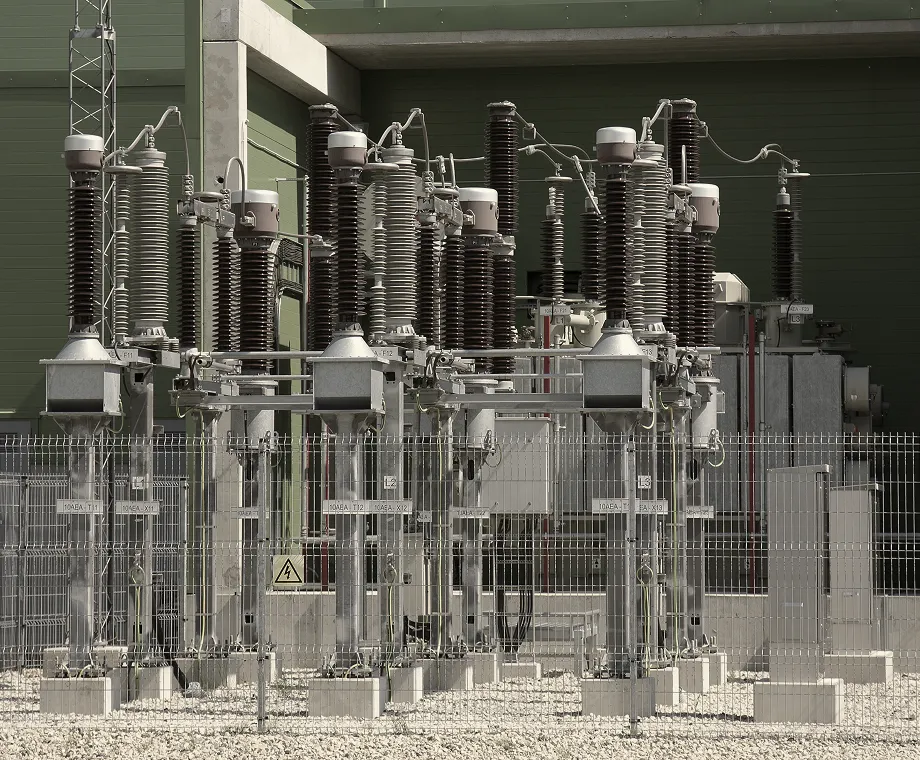
Pakistan continues to invest in transmission and distribution capacity, much of it through development finance, which brings international procurement standards with it. Projects funded through institutions such as KfW carry documentation, environmental, and safety requirements that many local contractors are not structured to meet.
That raises the barrier to entry, and it also means the contractors who do meet it face a narrower field. For firms delivering utility and recreational works, grid stations are among the more demanding categories to qualify for and among the more durable to hold once qualified.


What a construction company profile should contain, how clients read it during prequalification, and the common gaps that cost contractors work before evaluation begins.