



.webp)





What a Construction Company Profile Should Actually Contain
Read more


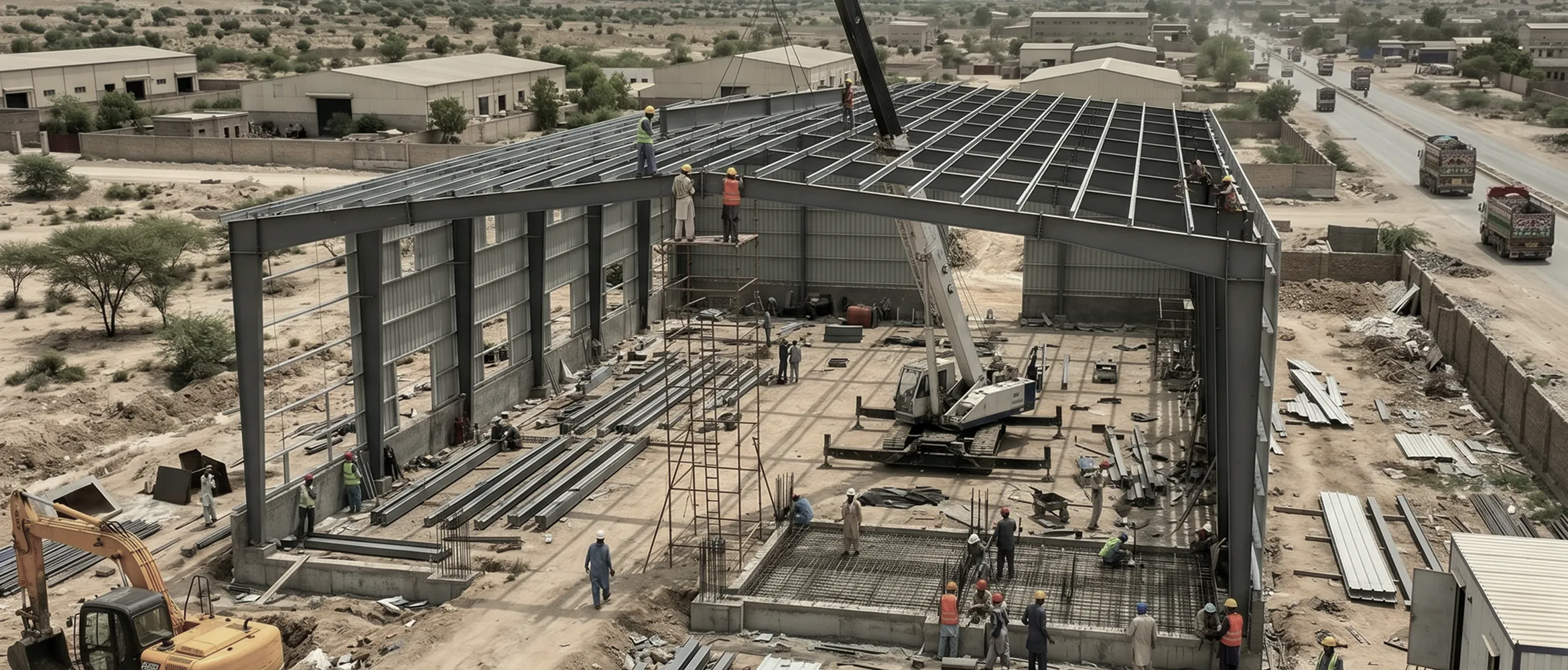
A warehouse is not just a big shed. Industrial warehouses have specific requirements: ultra‑flat floors for forklifts, high clearances for racking, insulated panels for cold storage, and loading docks with levellers. A contractor who builds housing schemes cannot simply switch to warehouses and expect good results.
The best construction companies in Pakistan understand these nuances. They know how to achieve floor flatness within millimetres, install dock levelers, and coordinate with MEP systems for lighting and fire safety. Choosing the wrong contractor means cracked floors, leaking roofs, and wasted space.
This blog explains what makes a warehouse contractor truly competent, which projects prove their capability, and how to evaluate them. For an overview of AMCORP's industrial expertise, visit AMCORP's homepage.
Industrial warehouse construction demands specialised skills. The best construction companies in Pakistan excel in four critical areas.
1. Floor flatness and levelness. Forklifts operating at speed need floors that do not cause bouncing or tilting. Warehouses require FF (flatness) and FL (levelness) numbers of 50 or higher. Contractors achieve this using laser‑screed concrete placement and rigorous testing. Without this, racking systems can become unstable.
2. High clear spans and column spacing. Warehouses need wide open spaces. The best contractors use long‑span steel structures or post‑tensioned concrete to minimise columns. This maximises storage density. Our structural building works include such designs.
3. Loading docks and logistics integration. Docks require precisely placed dock levellers, vehicle restraint systems, and canopy covers. The contractor must coordinate with equipment suppliers. Poorly placed docks damage trucks and slow operations.
4. Insulation and environmental control. Cold storage and climate‑controlled warehouses need insulated panels, vapour barriers, and air curtains. Contractors must understand thermal break details to prevent condensation and energy loss. The Pakistan Engineering Council (PEC) recognises these as specialised works requiring higher contractor categories.
The best construction companies in Pakistan will have dedicated industrial teams, not just general building crews. They will show you specific examples of warehouse projects with these features.
Concrete examples separate the best construction companies in Pakistan from generalists. Here are projects that demonstrate warehouse and industrial building expertise.
Parco precast wall project. Precast concrete walls are ideal for warehouses because they are fast to erect and provide consistent insulation. The Parco precast wall project involved manufacturing wall panels off‑site, then installing them quickly. This reduced on‑site labour and improved quality control. Precast is now a preferred method for large industrial buildings.
SECMC coal silo. Coal storage requires robust structures with specialised material handling. The SECMC coal silo project demonstrates heavy industrial building capability, including reinforced concrete and complex mechanical interfaces. While not a warehouse, the same skills apply: large clear spans, durable floors, and coordinated MEP.
KPT multipurpose cargo terminal. Port‑side warehouses need high load ratings and corrosion protection. The multipurpose cargo terminal at KGTML involved warehouse‑like structures for container handling. This project required precise floor flatness for rubber‑tyred gantry cranes.
ABL projects. Banks often require secure document storage warehouses. The ABL Sundar Estate and ABL Sabzi Mandi projects include warehouse elements with strict security and fire safety requirements.
These projects are part of a larger portfolio of EPC projects that includes industrial buildings. When evaluating a contractor, ask for a similar list. If they cannot show at least three warehouse or industrial buildings, keep looking.
The Material Handling Institute (MHI) publishes standards for warehouse design. While not mandatory, contractors familiar with these standards are better equipped to integrate racking and conveyor systems.
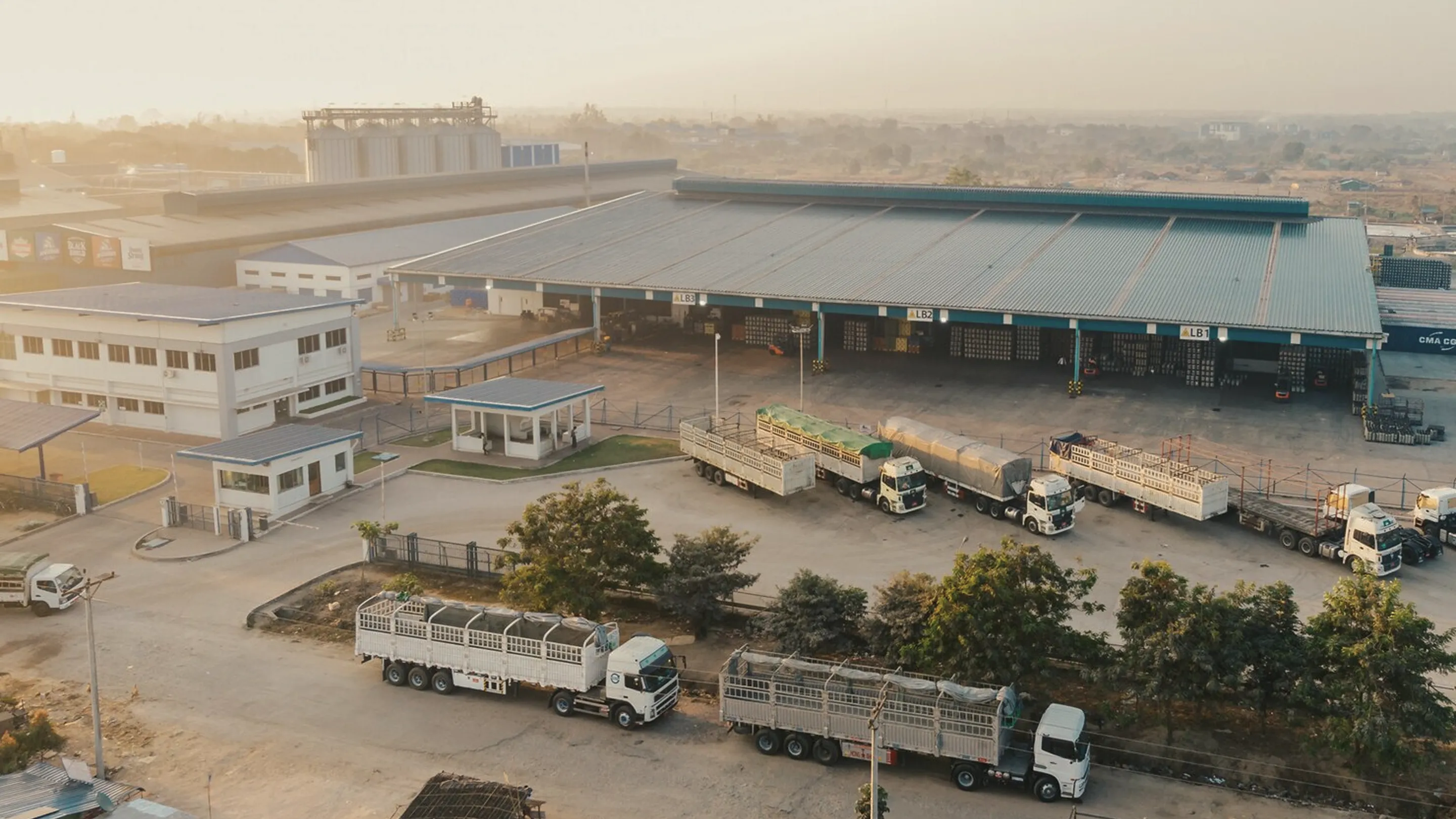
Building warehouses in Pakistan comes with unique hurdles. The best construction companies in Pakistan have learned to overcome them.
Power outages and backup systems. Cold storage and automated warehouses need reliable power. Top contractors design for backup generators and UPS systems. They also position electrical rooms away from flood‑prone areas. On our quality management projects, we include these redundancies as standard.
Heat and dust. Pakistan's summers and dusty environment damage warehouse finishes and MEP equipment. Good contractors specify insulated roof panels with high solar reflectance. They also install dust filtration for ventilation systems. Without these, warehouses become uncomfortable and equipment fails early.
Security. Industrial areas in Karachi, Lahore, and Faisalabad can have security risks. The best contractors design with perimeter walls, guard booths, and CCTV conduit pre‑installed. They also coordinate with local police for emergency access.
Supply chain for specialised materials. Insulated panels, dock levellers, and high‑grade floor hardeners may not be stocked locally. Leading contractors pre‑order long‑lead items and sometimes import. They also maintain relationships with local fabricators for structural steel. Our tools and machinery page illustrates the equipment depth needed for such projects.
Labour skills for industrial finishing. Warehouse floors require laser screed operators and concrete finishers who understand FF/FL. Not every labourer has these skills. Top contractors train their crews or hire specialised subcontractors. They also conduct mock‑up panels before the main pour.
Regulatory approvals. Warehouses need NOCs from fire departments and environmental agencies. Contractors with local experience know the approval process. They submit drawings early and attend hearings. Without this, commissioning can be delayed by months.
When interviewing a warehouse contractor, ask specific questions: How do you achieve FF 50 floors? What insulated panel suppliers do you use? How do you handle dust in HVAC? The answers will reveal true specialists.
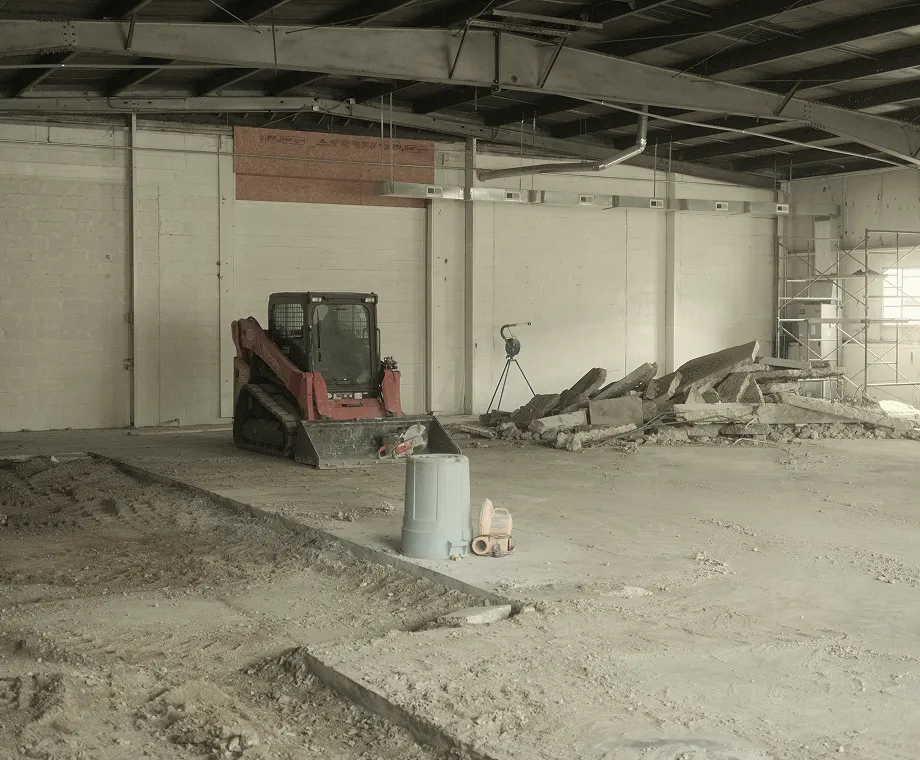
Selecting the best construction companies in Pakistan for an industrial warehouse is not about finding the lowest price. It is about finding a contractor who understands floor flatness, clear spans, loading docks, and insulation. They should have a proven track record with projects like the Parco precast wall or SECMC coal silo. They should know Pakistan's specific challenges: power outages, heat, dust, security, and approvals.
Ask for FF/FL test reports from past projects. Visit completed warehouses and talk to the facility managers. Verify PEC category; industrial warehouses often require C‑2 or higher due to steel structure and MEP complexity. Check safety records; warehouse construction involves working at height and heavy lifting.
A well‑built warehouse will serve your logistics for 20 years. A poorly built one will leak, crack, and cost you in repairs and lost productivity. Choose wisely.
For more examples of AMCORP's industrial and warehouse‑related projects, explore our structural building portfolio. Your logistics hub deserves a partner who knows the difference between a shed and a precision warehouse.

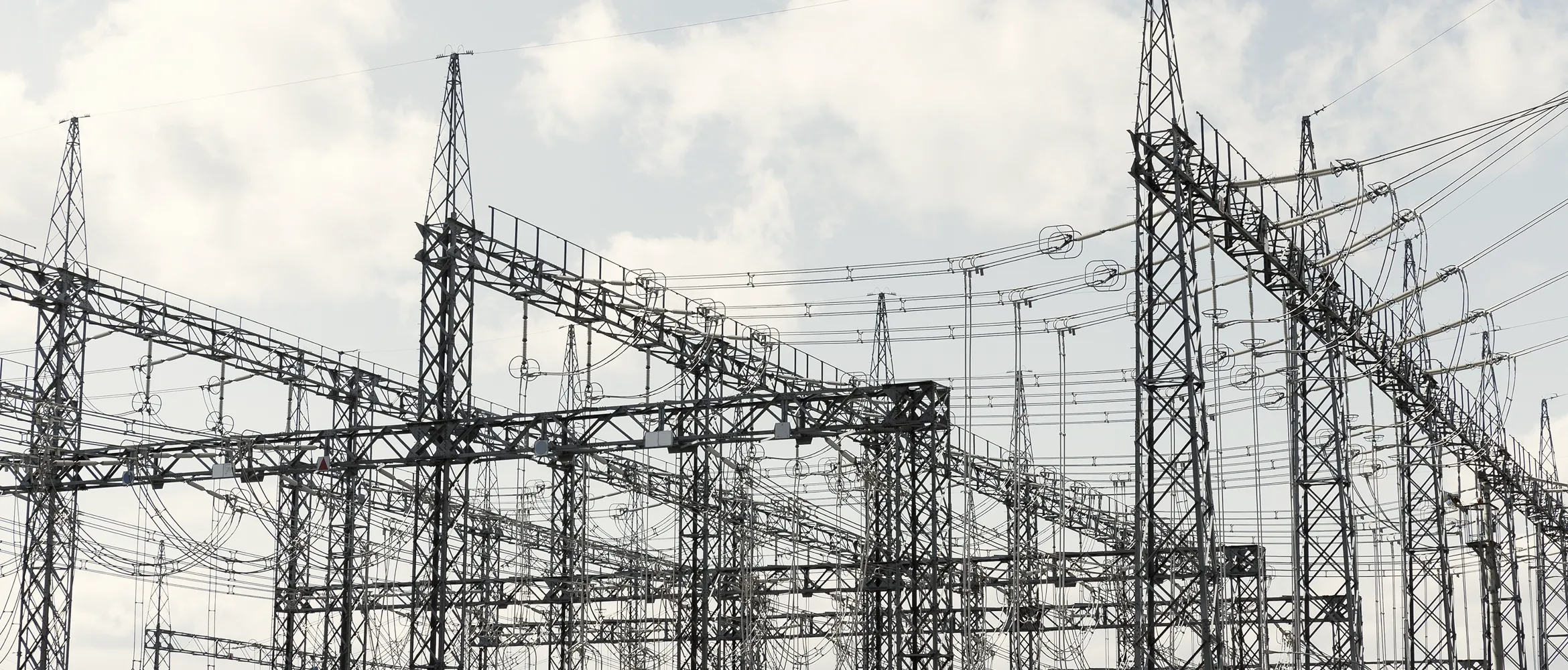
What the civil scope on a grid station covers in Pakistan, why tolerances are tighter than most building work, and where these projects typically run into trouble.