


.webp)



Precast Roof in Pakistan: Where It Works and Where It Does Not
Read more


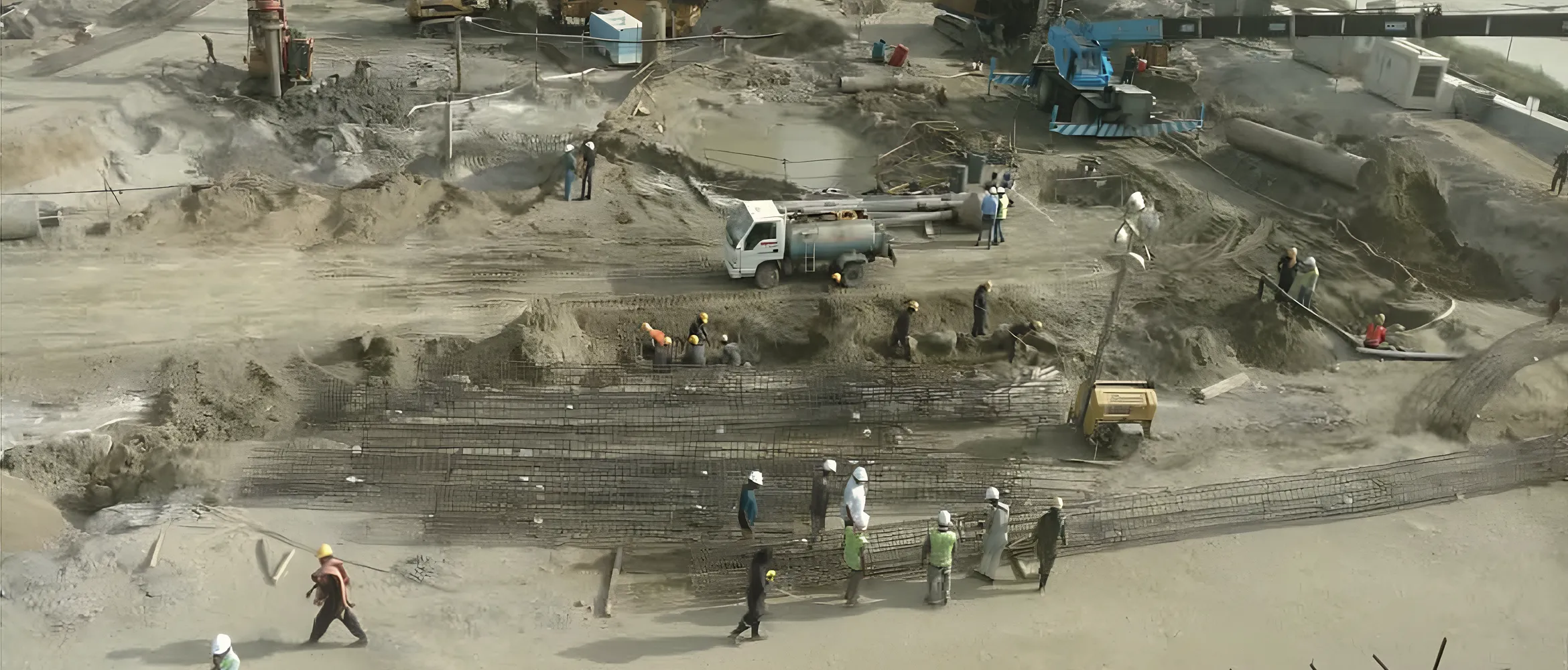
Karachi is Pakistan's industrial backbone. SITE, Korangi, Port Qasim, North Karachi, and Landhi host thousands of factories, warehouses, and manufacturing plants. But building in these zones is not simple.
Each industrial area has different ground conditions, utility availability, access constraints, and approval processes. A contractor who thrives in DHA's residential projects may struggle with a heavy foundation in Korangi or a steel structure in Port Qasim.
Finding the right construction firms in Karachi for industrial work means looking beyond the lowest bid. It means checking whether a firm has actually built what you need, in the zone where you need it, under conditions similar to yours. This guide walks you through the industrial zones, what to look for in a contractor, and how to shortlist firms that can deliver.
Not every construction firm in Karachi is equipped for industrial projects. Industrial work is different from commercial or residential building in several important ways.
Here is what separates capable industrial contractors from the rest.
Experience in your specific industrial zone. SITE has older utility networks and tighter road access. Korangi has variable soil conditions. Port Qasim requires coordination with port authorities and often involves reclaimed land. A contractor who has built in your zone already knows the local challenges.
Heavy foundation capability. Industrial facilities need stronger foundations than offices or houses. Heavy machinery causes vibration. High ceilings mean heavier roof loads. The right warehouse construction or factory builders understand piling, ground improvement, and thick reinforced slabs.
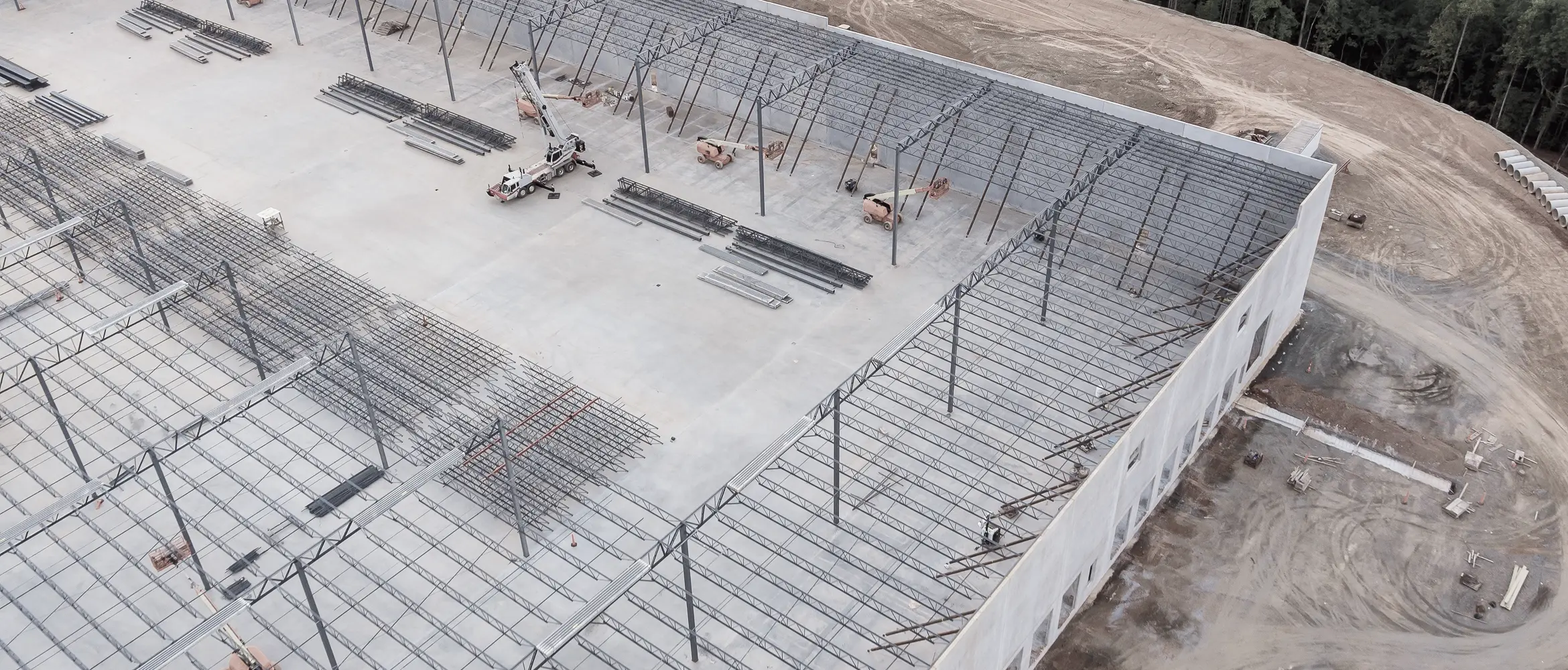
Steel structure expertise. Most industrial buildings use steel frames for clear spans and fast erection. Ask potential contractors about their experience with pre-engineered steel buildings, welding standards, and crane beam installations.
MEP and utility integration. Factories need three-phase power, compressed air lines, and sometimes effluent treatment. A residential contractor may not know how to coordinate these systems. Industrial specialists do.
Safety and compliance. Industrial sites have higher risks. Ask about HSE systems, safety records, and permits. Contractors who have worked with multinational clients or international funders usually have stronger safety cultures.
For official contractor verification, the Pakistan Engineering Council maintains a register of all licensed construction firms and their category ratings.
Each industrial zone in Karachi has its own character. The top-rated construction firms in Karachi know these differences.
SITE Area (Sindh Industrial Trading Estate). Karachi's oldest industrial zone. Roads are narrow in some sections. Utility connections are available, but infrastructure is aged. Many plots are already built on, so new construction often means demolition and replacement.
Korangi Industrial Area. Better road infrastructure than SITE. Home to large textile, pharmaceutical, and food processing units. Ground conditions vary. Some areas require piling. Others have good load-bearing soil. A soil test is essential here.
Port Qasim Industrial Zone. Newer and more planned. Land here is often reclaimed from mangrove areas. Ground improvement is frequently required before any construction. Coordination with the Port Qasim Authority adds an approval layer. Contractors who have worked here are rare but valuable.
North Karachi Industrial Area. Smaller industrial units. Lower land prices. Generally better road access. Suitable for light manufacturing and warehousing.
Landhi Industrial Area. Similar to Korangi in character. Home to heavy industries, including steel and automotive. Access can be challenging during peak hours.
When evaluating construction firms in Karachi, ask how many projects they have completed in your specific zone. The answer matters.
For information on industrial zone regulations and development, the Sindh Board of Investment provides resources for industrial investors.
.webp)
Even experienced business owners make mistakes when selecting construction firms in Karachi for industrial projects.
Mistake one: hiring a residential contractor for a factory. Residential builders know finishing, tiles, and aesthetics. They may not know heavy foundations, crane beams, or three-phase power distribution. The result is delays, rework, or a building that does not suit your machinery.
Mistake two: ignoring soil conditions. In Korangi or Port Qasim, assuming the soil is good without testing is a gamble. Poor soil leads to cracked slabs, uneven settling, and structural issues. A proper soil investigation costs a fraction of foundation repairs.
Mistake three: choosing based on price alone. The lowest bid often excludes critical items. Compare BOQs, not just totals. A higher price might include piling, proper compaction, and adequate steel reinforcement. The lower price might assume perfect soil and minimum standards.
Mistake four: not visiting completed projects. Photos and references are good. Walking through a finished factory built by the contractor three years ago is better. You will see how their work holds up.
AMCORP has delivered industrial projects across Karachi's major zones, including structural works, precast elements, and complete civil works for clients like PARCO, SECMC, and Allied Bank.
When you shortlist industrial contractors, take the time to verify their claims. Visit a site they built. Talk to their past clients. Walk your own plot with them before you sign anything.
Here is a practical step-by-step process to find and hire the right construction firm in Karachi for your industrial project.
Step one. Get your basic documents ready. Plot location. Approximate size. Type of industrial activity. Machinery weights, if known. Power requirements. A rough layout or sketch helps.
Step two. Search for contractors who list industrial experience. Use PEC's directory filtered by category and region. Shortlist firms that mention factory builders, warehouse construction, or industrial projects in their portfolios.
Step three. Ask each shortlisted firm three questions. How many industrial projects have you completed in Karachi? Which zones? Can we visit a completed factory or warehouse built at least two years ago?
Step four. Visit the sites. Look at concrete quality, steel alignment, drainage, and overall finishing. Ask the current owner about the timeline, budget adherence, and how the contractor handled problems.
Step five. Get detailed quotes from three firms. Give them the same drawings and scope. Compare BOQs line by line. Watch for missing items like piling, compound wall, or utility connections.
Step six. Check payment terms. Progress payments tied to completed milestones protect you. Large upfront payments shift risk away from the contractor and onto you.
Step seven. Sign a detailed contract. Include scope, timeline, payment schedule, variation process, and warranty terms.
Karachi has many construction firms. But only some have the experience, equipment, and discipline to handle industrial work properly. The right contractor saves you time, money, and years of maintenance headaches.
Do not rush the selection. A week of careful shortlisting and verification is nothing compared to months of rework or a building that does not serve your production needs.
Visit completed sites. Compare BOQs carefully. Ask about soil testing, foundation design, and steel specifications. Choose a contractor who has built in your zone before and can prove it.
Your factory or warehouse is not just a building. It is where your business operates every day. Build it with people who understand that.

Construction companies in Pakistan rarely fail because of bad building work. They fail due to cash flow gaps, underbidding, weak contracts, and overextension during growth.