



.webp)




What a Construction Company Profile Should Actually Contain
Read more


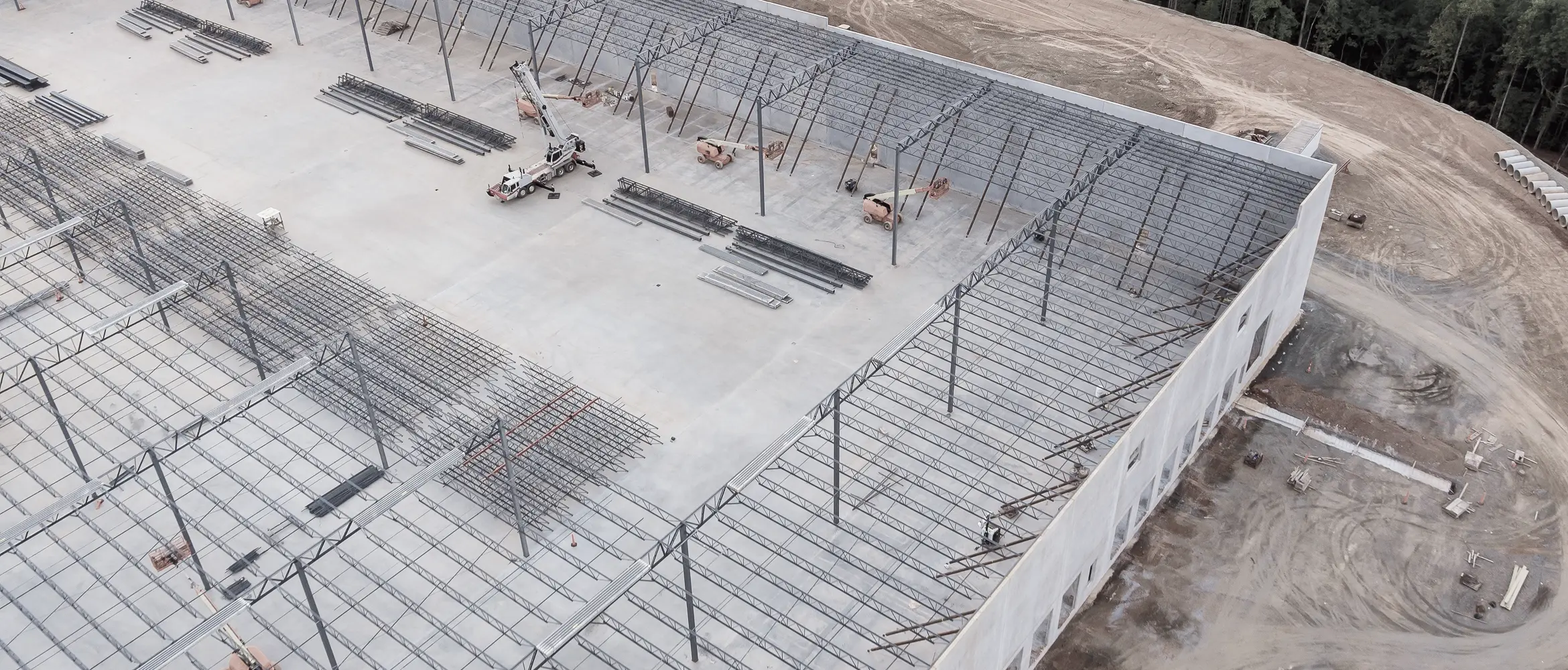
Precast roofing gets recommended for almost every project in Pakistan at some point. It is faster, the quality is more consistent, and the finish is better than most site-cast work. All of that is true.
It is also the wrong choice on many sites, and the reasons have very little to do with the technology itself.
The decision usually comes down to three things: how far the site is from a casting yard, whether a crane can reach the position, and whether the spans in your drawings suit standard sections. Get those three answers first. Everything else follows from them
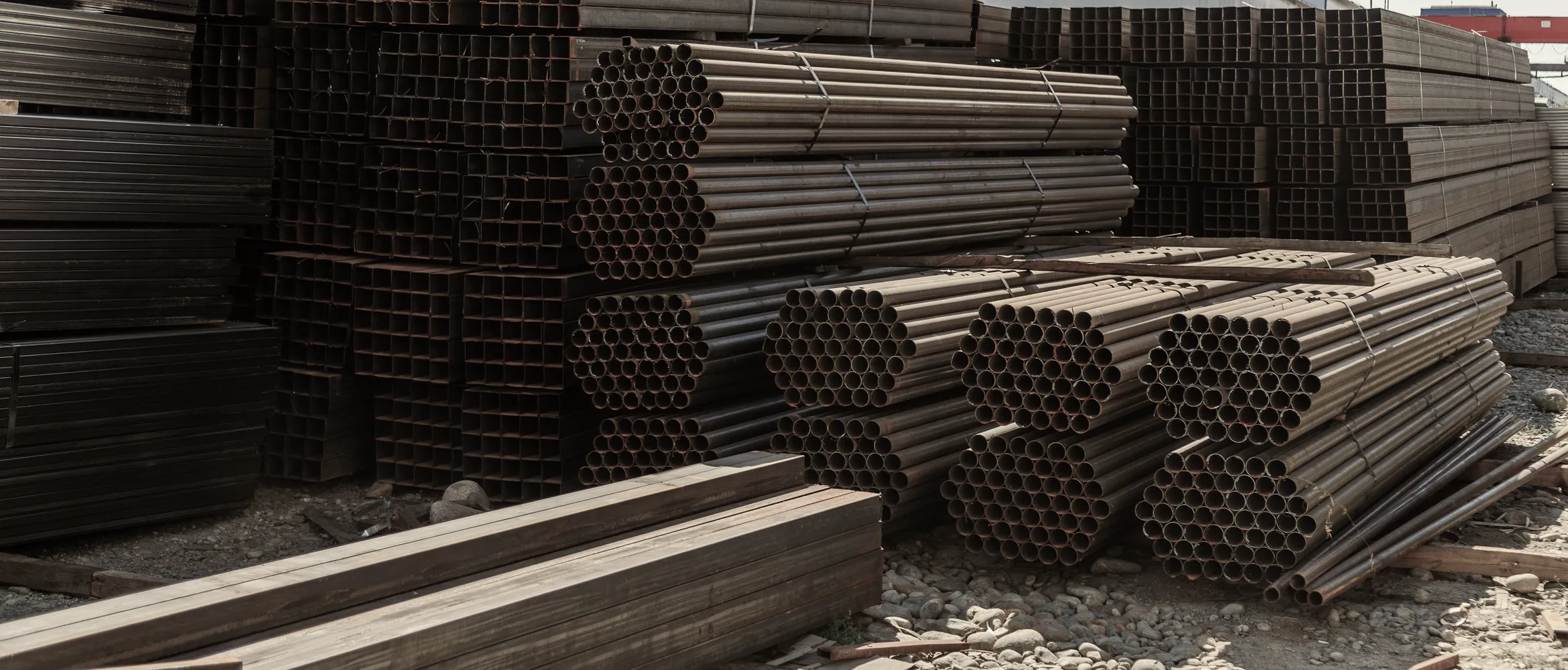
A precast roof is cast in a controlled yard, cured, transported to site, and lifted into position. The common forms in Pakistan are hollow core slabs, solid planks, and prestressed girder and panel systems used widely in low-rise housing.
The quality argument is real. A slab cast in a yard with controlled batching, proper vibration, and steam or water curing under supervision reaches its design strength far more reliably than the same slab cast on a rooftop in June with whatever water is available. Formwork is reused hundreds of times rather than a handful, so dimensional accuracy is better. There is no propping to strike, no waiting fourteen days before the floor above can proceed.
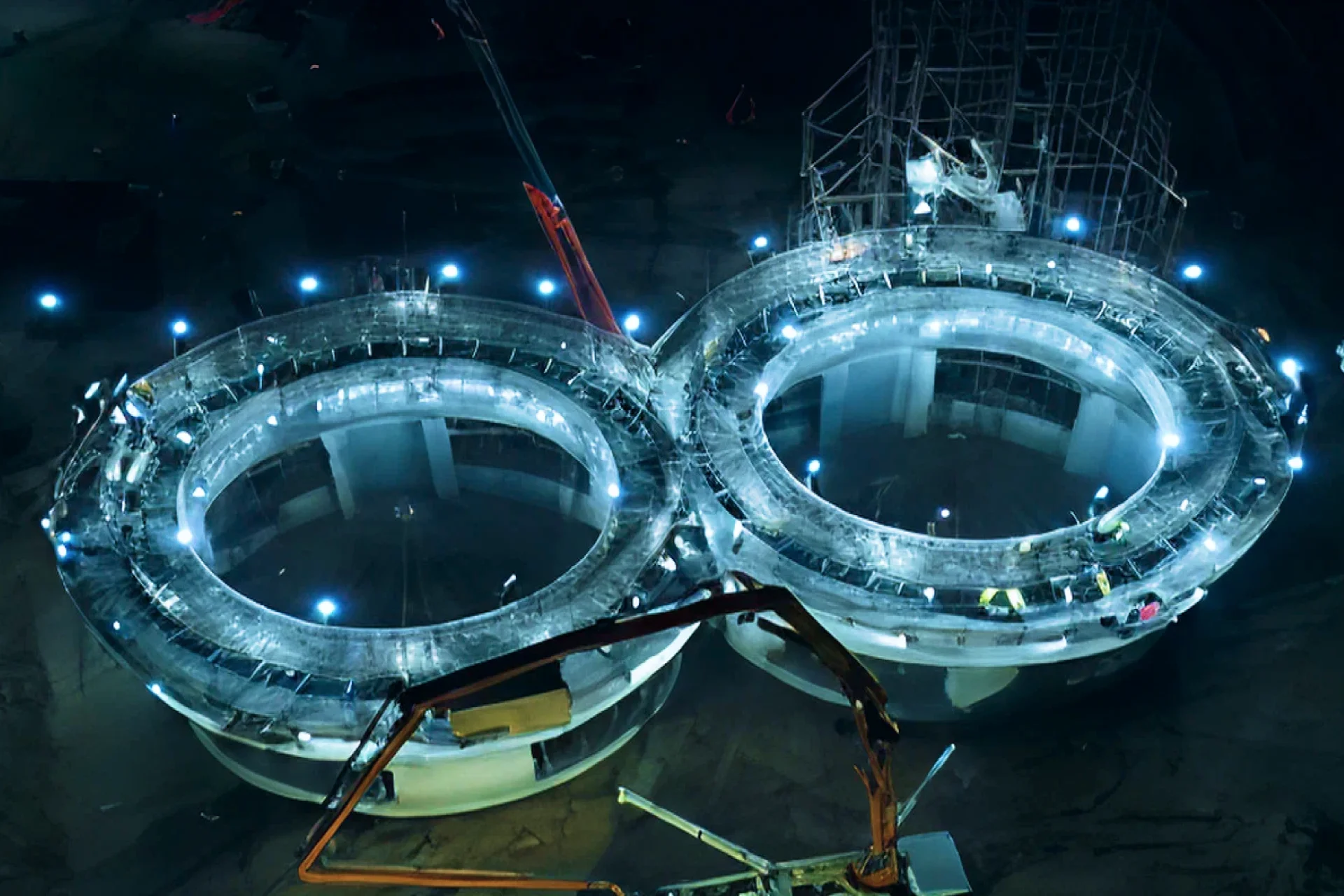
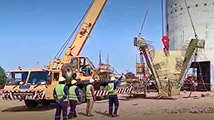
On the SECMC coal silo in Thar, we placed 468 precast elements alongside slip formwork. That project was suited to precast because the geometry repeated, the elements were large enough to justify the setup, and the site had space for lifting. Those three conditions are what to look for.
Precast elements are heavy and awkward. A hollow core slab is a rigid object that has to travel on a trailer, and the economics turn on the haul. Within roughly the Karachi, Lahore, or Islamabad industrial belts, transport is a manageable line item. On a site four hours down a farm road, the same delivery becomes a specialist logistics exercise, and each element you damage in transit is a replacement with its own lead time.
There is also the road itself. Axle load limits, bridge capacity, and turning radii on the approach all constrain what can physically arrive. This should be checked before the design is fixed, not after.
Every precast element has to be lifted into final position. That means a crane with the reach and capacity for the heaviest piece at the furthest radius, standing on ground that can carry it.
Urban infill sites are where this most often fails. A plot with buildings on three sides and a narrow street frontage may have no viable crane position at all. Rooftop extensions on existing structures have the same problem. In those cases, site-cast concrete pumped up is the practical answer regardless of what precast would offer in quality.
Precast becomes economic through repetition. Standard hollow core depths cover common residential and commercial spans efficiently. Once your layout requires irregular spans, heavy point loads, or large openings for services, you are into custom elements, and custom precast loses most of its cost advantage while keeping all of its logistical constraints.
Regular column grids favour precast. Irregular architectural layouts usually do not. This is a design stage decision, and by the time drawings are issued for construction it is generally too late to switch. It belongs in the same early conversation as the rest of your structural building works strategy.
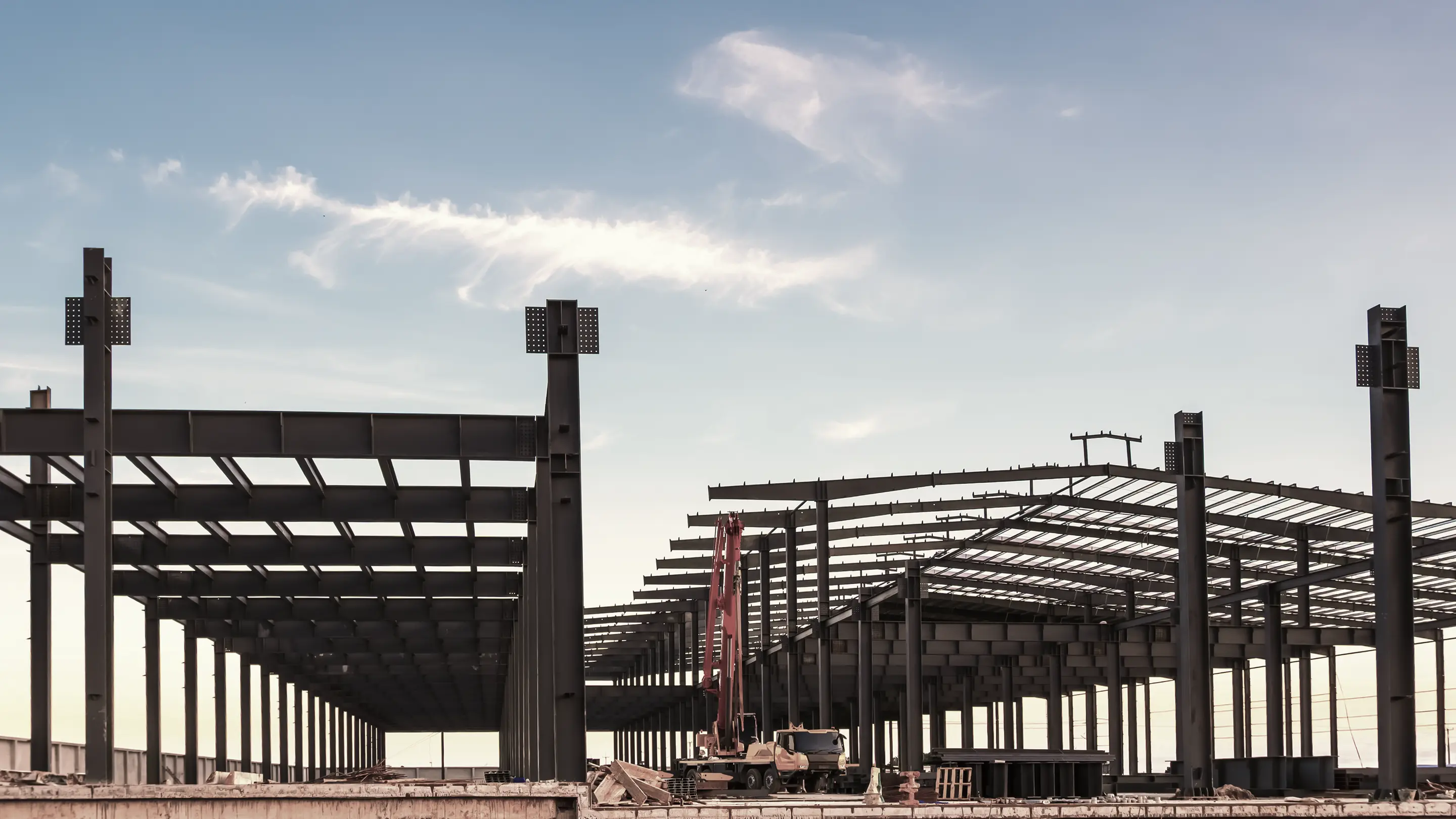
Repetitive structures. Warehouses, industrial sheds, parking structures, and standardised housing blocks. Anywhere the same element repeats dozens of times, the yard setup pays for itself. The logic here overlaps closely with pre-engineered buildings, which solve a similar repetition problem in steel.
Programme-critical work. Precast decouples roof construction from site curing time, which is one of the reasons it sits alongside modular construction as a way of moving work off the critical path.
Boundary walls and enclosure elements. These are the most straightforward precast application in the country. The PARCO precast wall panels are an example: repetitive, standardised, and installable quickly with minimal site disruption.
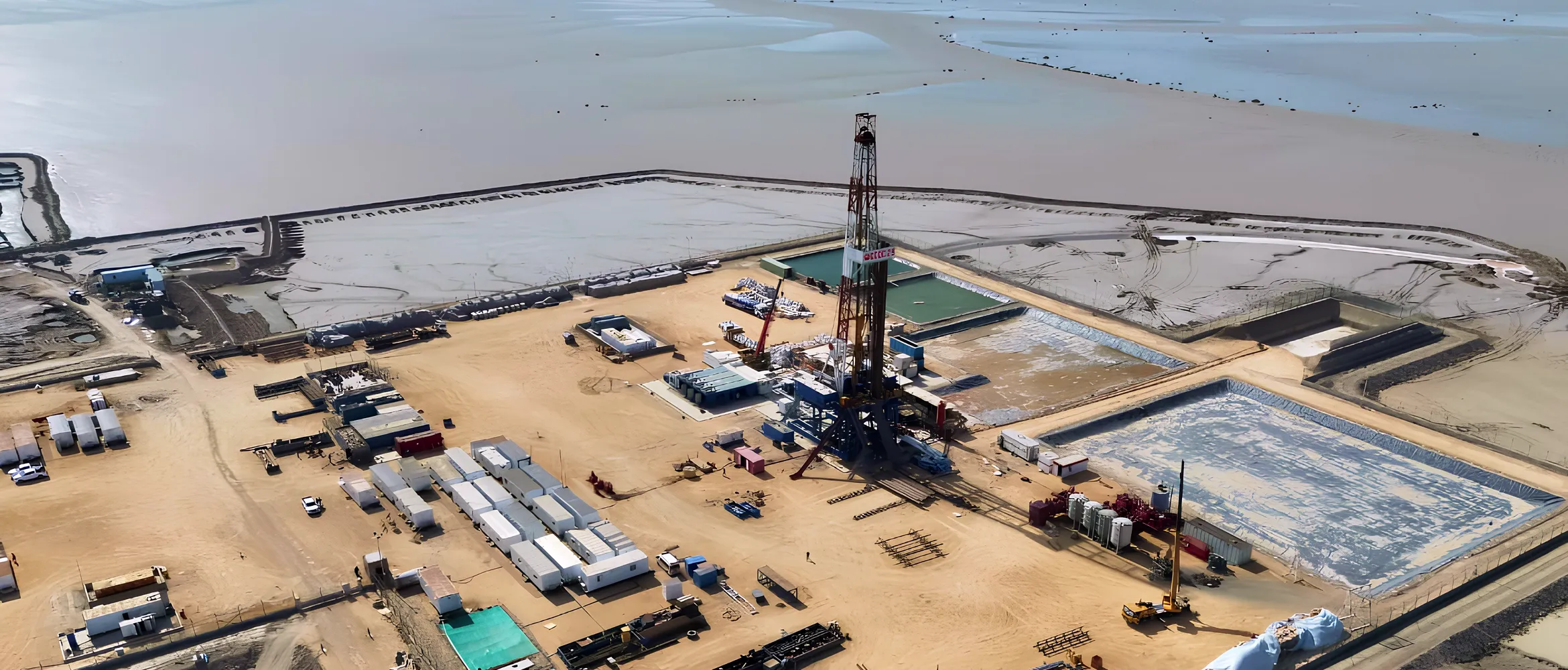
Sites with poor site-casting conditions. Extreme heat, water scarcity, or dust make quality site casting genuinely difficult. Remote energy sector locations often fall into this category, where controlled yard production removes a real quality risk.
Connection detailing. A precast roof is only as good as its joints. Bearing lengths, topping screeds, tie reinforcement, and the transfer of lateral loads all need proper design attention. Pakistan sits in a seismically active zone, and diaphragm action across a precast floor does not happen by itself. It has to be detailed and executed. This is where precast projects go wrong far more often than in the element manufacture, and it is worth confirming that whoever designs it holds the appropriate Pakistan Engineering Council registration for the work.
Thermal performance. A precast concrete roof in Karachi or Multan will conduct heat unless insulation is specified. Precast does not solve this by itself, and the assumption that it does leads to buildings that are uncomfortable and expensive to cool.
Coordination lead time. Elements are ordered and cast weeks ahead. Once a slab is cast with a service penetration in the wrong place, changing it is a manufacturing problem, not a site adjustment. MEP coordination has to be complete before casting begins, which pulls design effort earlier in the programme than many teams expect. The Institution of Civil Engineers publishes useful guidance on managing this kind of front-loaded design coordination.
Cost is not automatically lower. Precast usually saves programme time and reduces the labour and formwork on site. Whether that translates into a lower total cost depends on the specific project. On short runs, high transport distances, or irregular layouts, site casting is often cheaper. Get comparative quotes for your actual scope rather than relying on a general rule.
Answer the three questions in order. If the casting yard is within reasonable haul distance, a crane can occupy a workable position, and your spans are regular, precast is likely the better choice and the quality gain is worth having.
If any one of those fails, site casting is probably right, and there is no reason to feel it is a lesser option. A properly supervised in-situ roof with correct mix design and real curing discipline performs perfectly well.
The mistake is deciding by reputation rather than by site conditions. Precast is a method that suits certain circumstances very well and others poorly. The engineering judgement lies in telling the two apart before the drawings are frozen and the commitment is made. If you are weighing it on a live project, AMCORP has run both methods across enough sites to make that call on the conditions rather than the reputation.

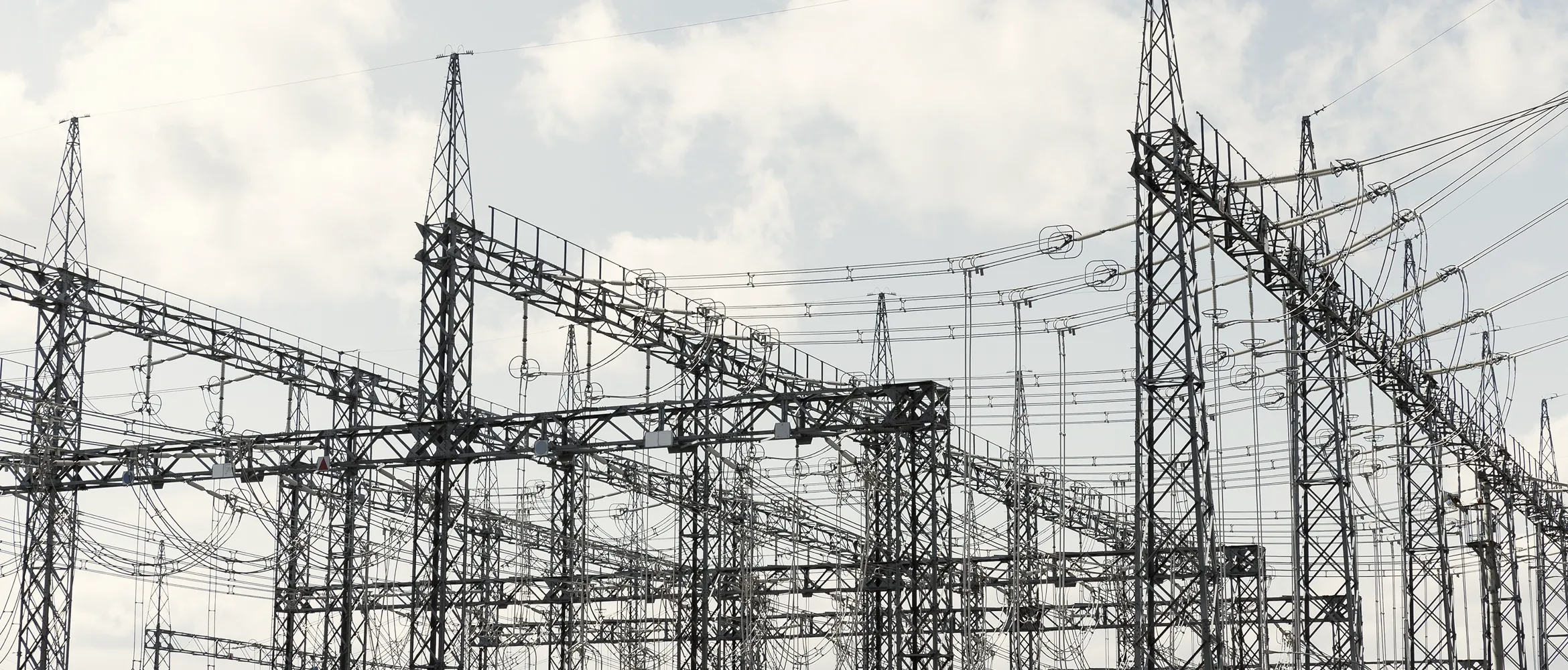
What the civil scope on a grid station covers in Pakistan, why tolerances are tighter than most building work, and where these projects typically run into trouble.